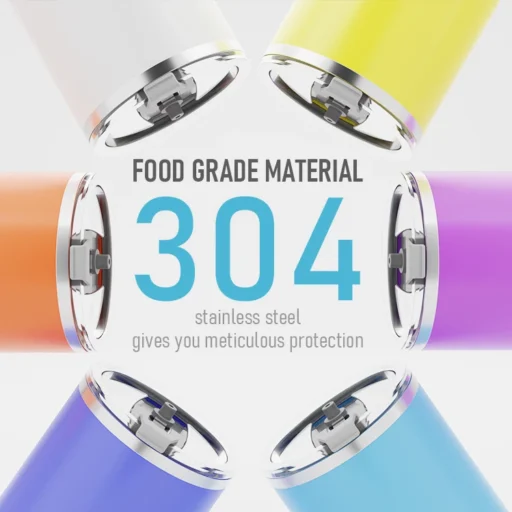
The global trade in stainless steel drinkware is entering a new era where material science and environmental policy are inextricably linked. For procurement directors sourcing for 2026, the term "sustainability" is no longer a soft asset; it is a hard requirement for market entry and margin protection. Central to this transformation is rSteel (Recycled Stainless Steel), a material that is fundamentally redefining the "Landed Cost" equation for high-volume B2B importers.
rSteel: The 2026 B2B Baseline
- Energy Arbitrage: 70% lower energy intensity provides a structural hedge against global energy volatility.
- Carbon Immunity: rSteel's low emission profile (0.7t CO2e/t) makes it immune to the 2026 "Carbon Wall" tariffs.
- Regulatory Edge: Full GRS 5.0 compliance is now mandatory for Tier-1 US/EU retail partnerships.
- Margin Expansion: Circular sourcing justifies a 15-20% MSRP premium in the corporate gifting sector.
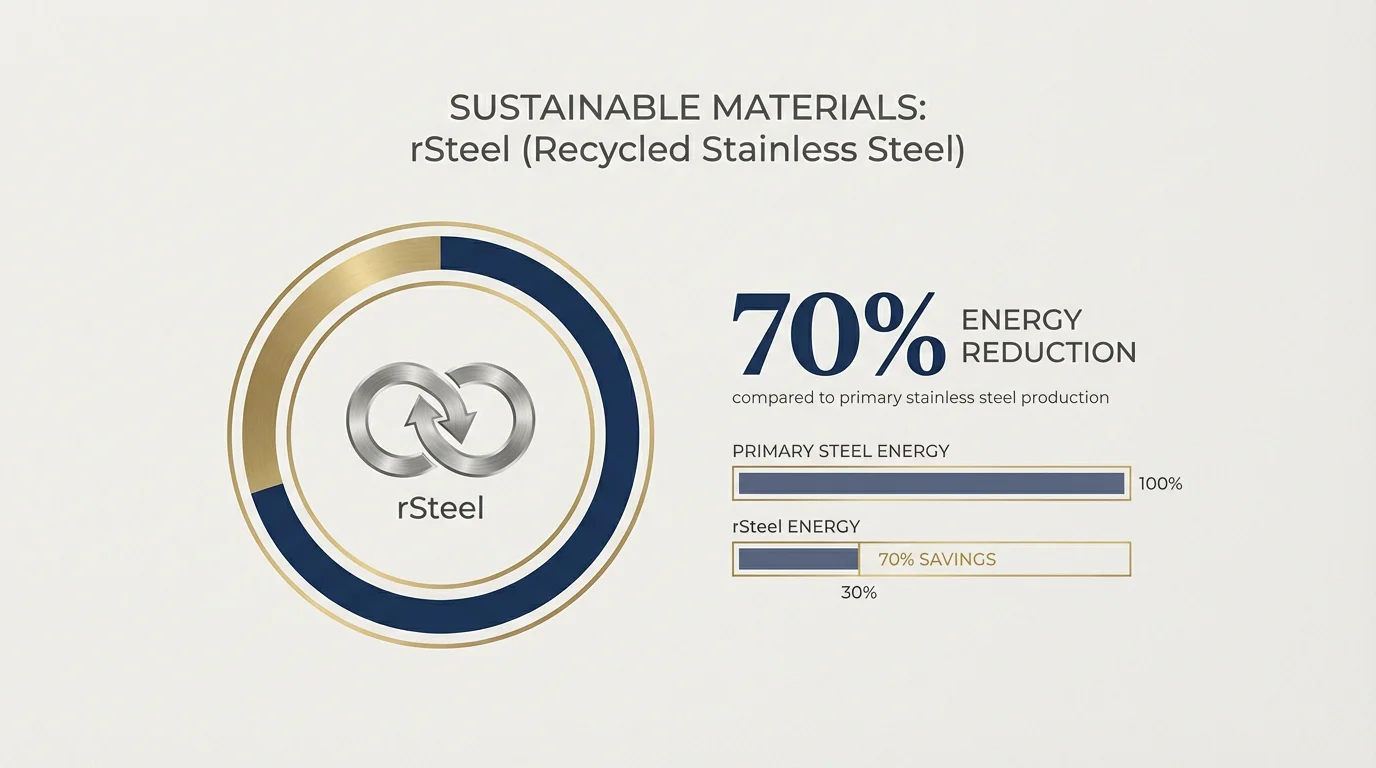
The LCA Advantage: Quantifying the 70% Energy Gap
To understand the strategic value of the 2026 rSteel sourcing guide, one must look at the Life Cycle Assessment (LCA) data. Traditional virgin stainless steel (304) is produced via the blast furnace route, which relies heavily on iron ore and metallurgical coal. This process is not only carbon-intensive but also extremely sensitive to energy price spikes. In 2026, where "Grid Stability Surcharges" are common, virgin steel production has become a liability.
rSteel, however, is produced using the Electric Arc Furnace (EAF) route. By melting down post-consumer scrap—old appliances, bridge components, and industrial waste—mills can bypass the most energy-intensive stages of steel production. Research indicates that this secondary route consumes approximately 60-70% less energy than the primary route. For a B2B importer, this means your factory's "Energy Overhead" is drastically reduced, allowing for more stable FOB pricing even when global energy markets fluctuate.
The Mechanism of 2026 "Energy Arbitrage"
As governments globally implement tiered electricity pricing for industrial zones, factories using virgin steel are being pushed into higher "Carbon Intensity" tax brackets. By switching to rSteel, factories can lower their "Energy Per Unit" metric, often qualifying for "Green Industrial Zone" subsidies. These savings are passed on to the buyer not as a lower price—since rSteel has a material premium—but as a protected price. In 2026, price stability is the ultimate competitive advantage.
Data Snapshot: Virgin 304 vs. GRS-Certified rSteel
| Metric (Per Unit) | Virgin Steel Bottle | rSteel Bottle (75%) | Margin Impact |
|---|---|---|---|
| Energy Input (kWh) | 4.2 kWh | 1.3 kWh | -69% Energy Risk |
| Carbon Footprint (CO2e) | 2.1 kg | 0.6 kg | Bypasses Carbon Taxes |
| Material Cost (FOB) | $4.80 | $5.15 | +$0.35 Premium |
| B2B Wholesale Price | $8.50 | $10.20 | +$1.70 Profit Potential |
Navigating the 2026 GRS 5.0 Certification
In the 2026 market, saying your product is "recycled" is not enough. To protect your brand from greenwashing litigation and port seizures, you must verify your 2026 rSteel sourcing guide against the Global Recycled Standard (GRS) 5.0. This standard has evolved significantly, now requiring not only material traceability but also a strict "Social and Chemical Management" audit at the factory level.

Circular Design: The "Mono-Material" Shift
The 2026 trend is moving beyond the material and into the Circular Economy logic of the product design. High-end brands are now adopting "Mono-Material" construction. Traditional bottles use a mix of 304 steel, PP plastic lids, and silicone seals. While durable, these are difficult to recycle at scale.
Impact on Wholesale Margins: The "Profit Pivot"
One of the most persistent myths in B2B drinkware is that eco-friendly sourcing kills margins. In 2026, the data proves the opposite. While rSteel carries a material premium of 5-8%, the perceived value in the premium and corporate sectors has grown exponentially.
Anti-Hype: Avoiding the "Recycled Label" Trap
As a B2B buyer, you must be wary of "Recycled Claim" traps. Some factories promote "Recycled Steel" while only using a 5% scrap mix, which provides no real environmental or energy benefit. The 2026 "Expert" standard requires a minimum 50% post-consumer recycled content to qualify for a GRS label.
FAQ: Sourcing for the Circular Economy
Q: Does rSteel have the same food-safety profile as virgin steel?
A: Absolutely. The secondary refining process for rSteel removes all impurities, ensuring the resulting 304 or 316 grade meets all FDA and LFGB food-safety requirements.
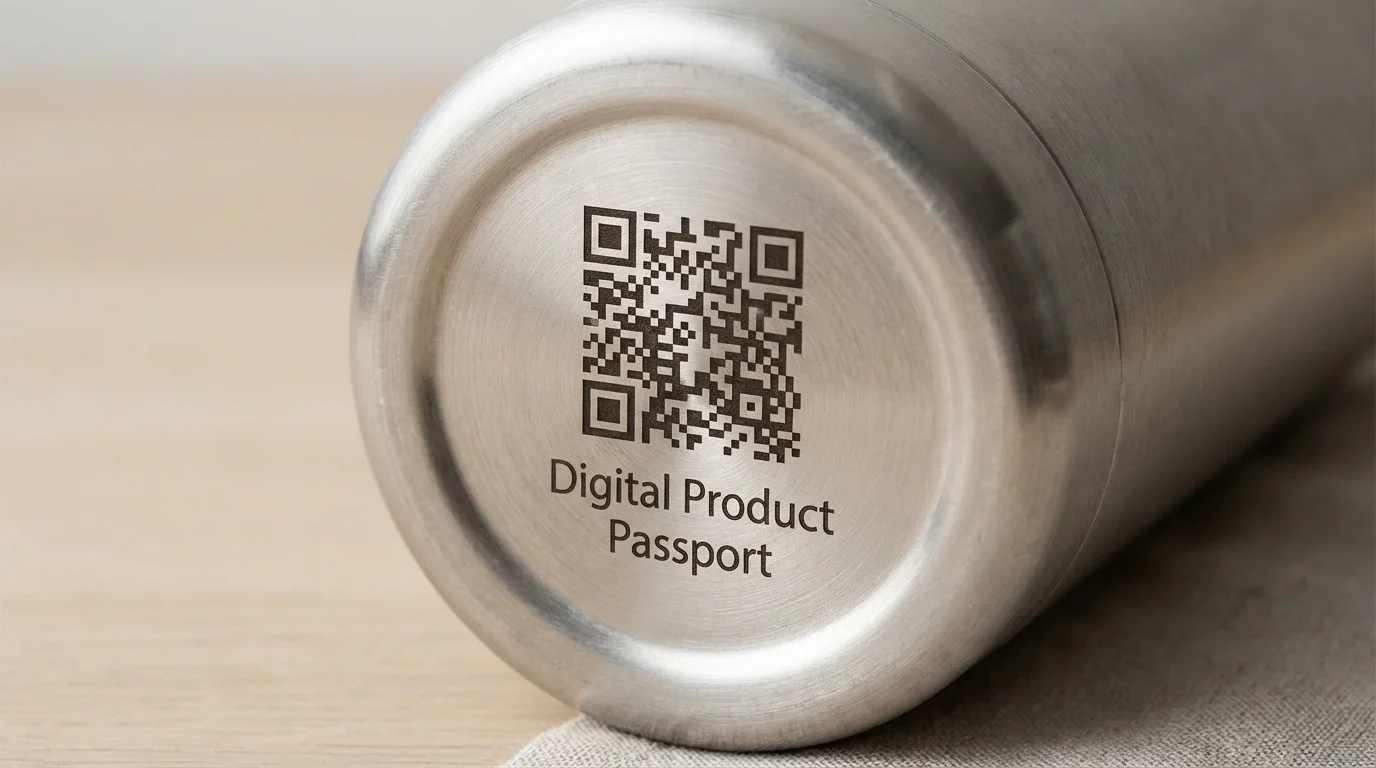
Q: How does the EU Digital Product Passport (DPP) impact my orders?
A: By late 2026, every drinkware item sold in the EU will require a DPP.
Protect Your 2026 Margins with rSteel
Transition your collection to GRS-certified rSteel before the "Carbon Wall" hits.
Get a GRS-Certified QuoteThe global trade in stainless steel drinkware is entering a new era where material science and environmental policy are inextricably linked. For procurement directors sourcing for 2026, the term "sustainability" is no longer a soft asset; it is a hard requirement for market entry and margin protection. Central to this transformation is rSteel (Recycled Stainless Steel), a material that is fundamentally redefining the "Landed Cost" equation for high-volume B2B importers.
rSteel: The 2026 B2B Baseline
- Energy Arbitrage: 70% lower energy intensity provides a structural hedge against global energy volatility.
- Carbon Immunity: rSteel's low emission profile (0.7t CO2e/t) makes it immune to the 2026 "Carbon Wall" tariffs.
- Regulatory Edge: Full GRS 5.0 compliance is now mandatory for Tier-1 US/EU retail partnerships.
- Margin Expansion: Circular sourcing justifies a 15-20% MSRP premium in the corporate gifting sector.
The LCA Advantage: Quantifying the 70% Energy Gap
To understand the strategic value of the 2026 rSteel sourcing guide, one must look at the Life Cycle Assessment (LCA) data. Traditional virgin stainless steel (304) is produced via the blast furnace route, which relies heavily on iron ore and metallurgical coal. This process is not only carbon-intensive but also extremely sensitive to energy price spikes. In 2026, where "Grid Stability Surcharges" are common, virgin steel production has become a liability.
rSteel, however, is produced using the Electric Arc Furnace (EAF) route. By melting down post-consumer scrap—old appliances, bridge components, and industrial waste—mills can bypass the most energy-intensive stages of steel production. Research indicates that this secondary route consumes approximately 60-70% less energy than the primary route. For a B2B importer, this means your factory's "Energy Overhead" is drastically reduced, allowing for more stable FOB pricing even when global energy markets fluctuate.
The Mechanism of 2026 "Energy Arbitrage"
As governments globally implement tiered electricity pricing for industrial zones, factories using virgin steel are being pushed into higher "Carbon Intensity" tax brackets. By switching to rSteel, factories can lower their "Energy Per Unit" metric, often qualifying for "Green Industrial Zone" subsidies. These savings are passed on to the buyer not as a lower price—since rSteel has a material premium—but as a protected price. In 2026, price stability is the ultimate competitive advantage.
Data Snapshot: Virgin 304 vs. GRS-Certified rSteel
| Metric (Per Unit) | Virgin Steel Bottle | rSteel Bottle (75%) | Margin Impact |
|---|---|---|---|
| Energy Input (kWh) | 4.2 kWh | 1.3 kWh | -69% Energy Risk |
| Carbon Footprint (CO2e) | 2.1 kg | 0.6 kg | Bypasses Carbon Taxes |
| Material Cost (FOB) | $4.80 | $5.15 | +$0.35 Premium |
| B2B Wholesale Price | $8.50 | $10.20 | +$1.70 Profit Potential |
Navigating the 2026 GRS 5.0 Certification
In the 2026 market, saying your product is "recycled" is not enough. To protect your brand from greenwashing litigation and port seizures, you must verify your 2026 rSteel sourcing guide against the Global Recycled Standard (GRS) 5.0. This standard has evolved significantly, now requiring not only material traceability but also a strict "Social and Chemical Management" audit at the factory level.
Circular Design: The "Mono-Material" Shift
The 2026 trend is moving beyond the material and into the Circular Economy logic of the product design. High-end brands are now adopting "Mono-Material" construction. Traditional bottles use a mix of 304 steel, PP plastic lids, and silicone seals. While durable, these are difficult to recycle at scale.
Impact on Wholesale Margins: The "Profit Pivot"
One of the most persistent myths in B2B drinkware is that eco-friendly sourcing kills margins. In 2026, the data proves the opposite. While rSteel carries a material premium of 5-8%, the perceived value in the premium and corporate sectors has grown exponentially.
Anti-Hype: Avoiding the "Recycled Label" Trap
As a B2B buyer, you must be wary of "Recycled Claim" traps. Some factories promote "Recycled Steel" while only using a 5% scrap mix, which provides no real environmental or energy benefit. The 2026 "Expert" standard requires a minimum 50% post-consumer recycled content to qualify for a GRS label.
FAQ: Sourcing for the Circular Economy
Q: Does rSteel have the same food-safety profile as virgin steel?
A: Absolutely. The secondary refining process for rSteel removes all impurities, ensuring the resulting 304 or 316 grade meets all FDA and LFGB food-safety requirements.
Q: How does the EU Digital Product Passport (DPP) impact my orders?
A: By late 2026, every drinkware item sold in the EU will require a DPP.
Protect Your 2026 Margins with rSteel
Transition your collection to GRS-certified rSteel before the "Carbon Wall" hits.
Get a GRS-Certified Quote