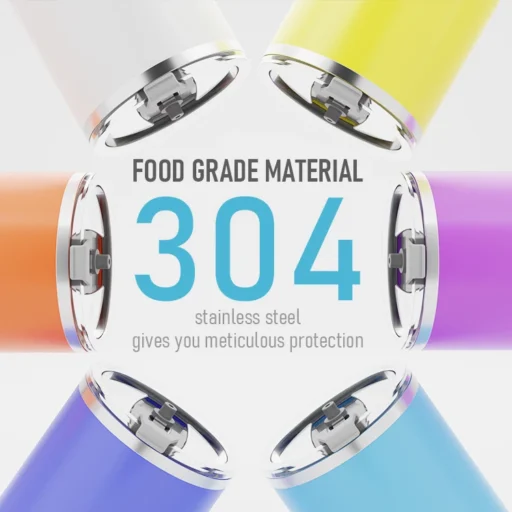
Why Insulated Beer Tumblers Lose Temperature Fast: A Practical Guide for Wholesale Buyers
When buyers source insulated beer tumblers, one of the most common complaints is simple: the product looks premium, but the temperature retention feels disappointing in real use. That usually creates return risk, weak reviews, and lower reorder confidence.
The issue is rarely one single factor. In most cases, thermal performance drops because of structure, sealing, vacuum quality, or unrealistic product claims. This guide explains what wholesalers should check before approving production.

Quick Take
- Poor thermal performance is often caused by weak vacuum insulation, lid leakage, or low-quality component fit.
- “Insulated” is not enough. Buyers should ask how the product was tested and under what conditions.
- Beer tumblers need realistic usage evaluation because repeated opening changes performance quickly.
- Sample comparison is one of the most effective ways to validate thermal claims before mass production.
Common Causes of Heat Loss
| Factor | What Happens | Buyer Checkpoint |
|---|---|---|
| Weak Vacuum Layer | Temperature drops faster than expected | Ask for test method and compare samples |
| Lid Leakage | Heat or cold escapes during normal use | Check seal fit and drinking opening design |
| Thin Structure | Lower insulation stability | Review weight, wall structure, and finish quality |
| Unclear Claim | Buyer expects more than product can deliver | Request defined retention wording |
Why Some Insulated Tumblers Underperform
Not every double-wall product delivers the same performance. The quality of the vacuum process, the welding stability, and the lid-seal integrity all affect whether the tumbler can hold cold beer or chilled drinks for a useful period.
Why Lids Matter More Than Buyers Expect
A tumbler body may be well made, but a poor lid design can undermine the whole user experience. Loose sliders, weak gaskets, and oversized openings all increase temperature loss during normal drinking.

How Wholesalers Should Evaluate Thermal Claims
Ask the supplier how the tumbler was tested, what starting temperature was used, how long the measurement lasted, and whether the lid was on during testing. Without those details, thermal claims become marketing language instead of commercial evidence. For background on how insulating vessels limit heat transfer, buyers can review the Encyclopaedia Britannica explanation of vacuum flasks.
What Makes Beer Tumblers Different?
Beer tumblers are opened often, held in warm hands, and used in outdoor or social settings. That means buyers should assess practical retention, not only laboratory-style best-case claims.
Can Packaging and Positioning Help?
Yes. Clear product wording, realistic care instructions, and honest thermal messaging reduce complaint risk. It is better to make a defensible claim than an exaggerated one. Buyers selling into regulated markets should also review general food-contact material expectations from the FDA food-contact substances overview when finalizing materials and product communication.
What Does This Mean for Buyers?
Thermal performance is not only a factory claim issue. It affects customer satisfaction, review quality, and reorder confidence. Buyers who validate samples carefully usually reduce downstream complaint risk.
FAQ
Does a heavier tumbler always insulate better?
Not always, but weight can indicate structural differences. It should be considered together with vacuum quality, wall construction, and lid performance.
Should I test multiple samples before ordering?
Yes. Comparative testing is one of the best ways to validate retention consistency before a larger order.
Can lid design affect customer satisfaction as much as insulation?
Absolutely. A weak lid can quickly turn a technically insulated tumbler into a poor real-world product.
Next Step for Buyers
If you are sourcing insulated beer tumblers, validate structure, lid design, and claim wording before you scale the order. Read more sourcing guides in our blog, explore our OEM & ODM services, or contact us for sample evaluation support.