
How to Evaluate Drinkware Factory Capacity Before You Place a Large Order
Factory capacity is one of the most misunderstood parts of drinkware sourcing. Many suppliers say they can handle large orders, but buyers often discover the real limit only after sampling is approved and delivery pressure starts to build.
For wholesalers, importers, and brand owners, capacity is not only about how many units a factory can produce. It is about whether the supplier can deliver your specific product, decoration, packaging, and timing requirements without pushing risk downstream.
Quick Take
- Factory capacity is about execution fit, not only factory size.
- A supplier may handle large annual volume but still struggle with your finish, logo method, or deadline.
- Peak-season booking, line availability, and component readiness all affect real production capacity.
- Buyers should evaluate capacity before confirming a large order, not after delays begin.
Capacity Evaluation Checklist
| Capacity Area | Why It Matters | Buyer Question |
|---|---|---|
| Production Lines | Not every line fits every product type | Which lines will handle this project? |
| Decoration Load | Logo and coating steps can bottleneck output | How is decoration scheduled during busy periods? |
| Component Supply | Lids, seals, straws, and packaging affect readiness | Are key components stocked or made to order? |
| Lead Time Stability | Capacity claims must match real scheduling | What is normal vs peak-season lead time? |
| QC Throughput | High volume without control creates defects | How are inspections handled at larger volume? |
Why Capacity Claims Can Be Misleading
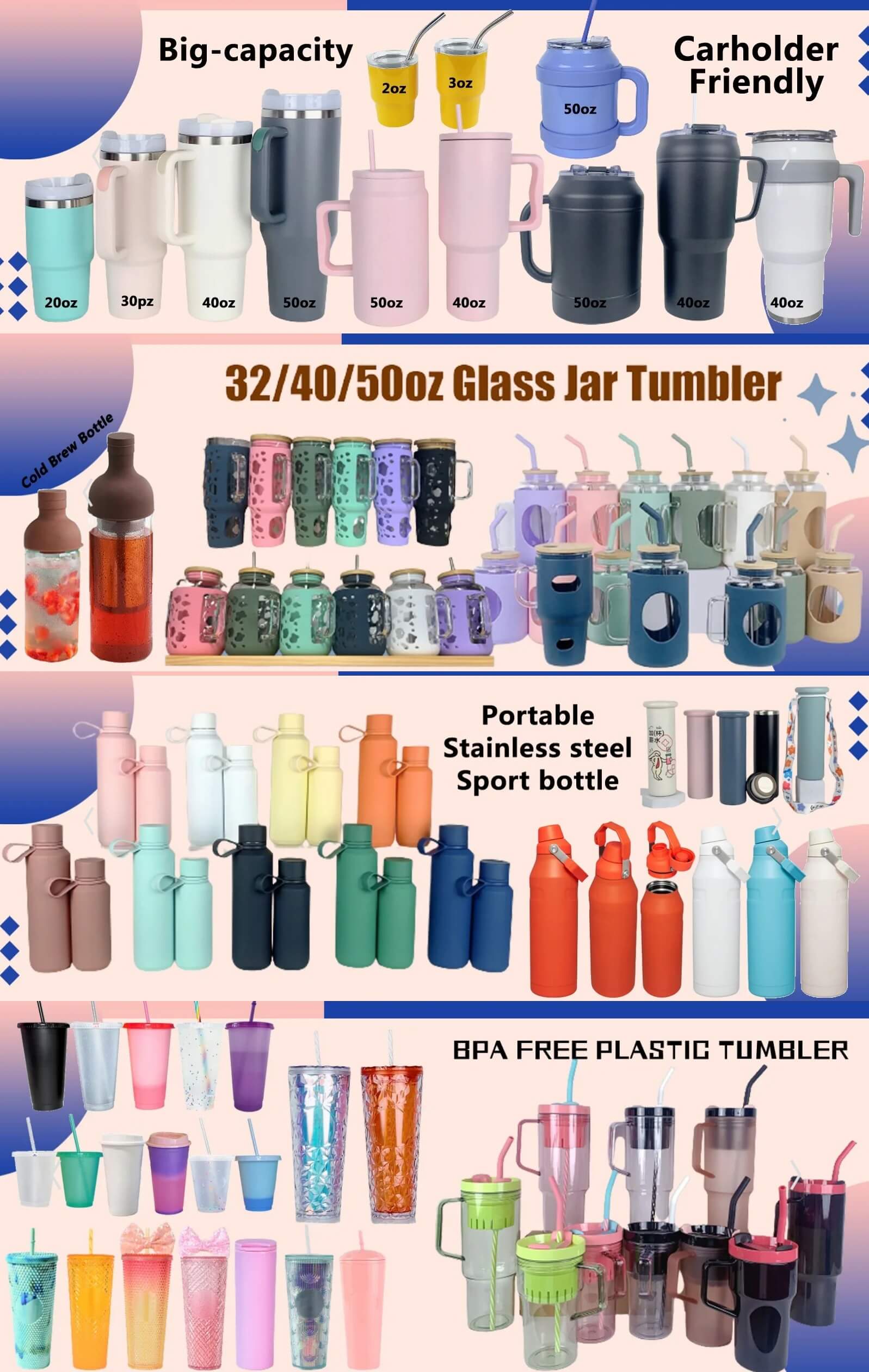
A factory may quote high monthly volume, but that number often reflects broad capability rather than capacity for your exact project. Stainless steel tumblers, sports bottles, mugs, special coatings, and gift packaging do not all move through production the same way.
What Buyers Should Ask Before a Large Order
Ask which production lines will be used, whether the order depends on outsourced decoration or packaging, how many similar projects are already booked, and what the real lead time looks like during busy months. A useful answer is specific. A weak answer stays general.

How Decoration and Packaging Affect Capacity
Many buyers focus only on cup body production, but decoration, gift boxes, inserts, labeling, and final packing often create the real bottleneck. Capacity planning should cover the full order path, not just forming or welding output.
Why Sampling Does Not Prove Full-Order Capacity
A supplier that delivers a sample quickly may still face trouble scaling into mass production. Sampling and production use different resources, and sample responsiveness alone should not be treated as proof of large-order readiness.
What External Signals Should Buyers Review?
Buyers can look at audit records, testing workflow, repeat-order behavior, and how the supplier explains production planning. For general manufacturing quality-system context, the ISO 9001 quality management overview is a useful reference point. Buyers shipping internationally should also understand how timing and documentation affect import planning through sources such as U.S. Customs and Border Protection basic import guidance.
What Does This Mean for Wholesale Buyers?
The right supplier is not the one making the biggest promise. It is the one that can explain clearly how your order will move through production, decoration, inspection, and shipment with fewer surprises.
FAQ
Does a bigger factory always mean better capacity?
No. A bigger factory may still be a poor fit if your product type, finish, or schedule does not match its real production strengths.
Should I ask about peak-season lead time separately?
Yes. Normal lead time and peak-season lead time can be very different, and buyers should clarify both before confirming the order.
Can packaging really slow production that much?
Absolutely. Custom packaging, inserts, labels, and bundled accessories often create the final bottleneck in otherwise manageable orders.
Next Step for Buyers
If you are preparing a larger drinkware order, evaluate capacity through line fit, schedule realism, and full-order workflow, not just monthly output claims. Visit our OEM & ODM services, browse more sourcing advice in our blog, or contact us for production planning support.