5 Strategies to Reduce Risk and Improve Margin When Sourcing Stainless Steel Cups
Sourcing stainless steel cups should not be a guessing game. Yet many buyers still lose margin because they compare quotations without aligning specifications, approve samples without clear standards, or underestimate how packaging, decoration, and timeline changes affect the final landed cost.
For importers, wholesalers, and brand owners, the real goal is not simply to find a lower unit price. It is to build a sourcing process that reduces surprises while protecting quality, delivery, and profitability.
Quick Take
- Profitable sourcing starts with comparable specifications, not with the lowest quotation.
- Hidden costs often come from decoration, packaging, quality issues, delays, and unclear approval standards.
- Sample validation and production checkpoints are essential for protecting margin.
- A stronger sourcing process usually outperforms short-term price chasing.
Risk and Margin Control Framework
| Strategy | Why It Matters | What Buyers Should Do |
|---|---|---|
| Align Specifications | Prevents misleading quotation comparisons | Use one shared specification sheet for all suppliers |
| Validate Samples | Reduces production mismatch risk | Approve structure, finish, logo, and packaging clearly |
| Check True Cost | Protects margin from hidden add-ons | Review decoration, cartons, inserts, and QC cost together |
| Review Capacity | Improves delivery confidence | Ask about peak season planning and production load |
| Control Claims | Reduces returns and disputes | Make sure product wording matches tested performance |
1. Compare Quotes Only After Specifications Are Aligned
A low quotation means very little if material thickness, lid structure, finish quality, logo method, and packaging are not identical. Many sourcing mistakes begin when buyers compare numbers from suppliers who are quoting different products in practice.
2. Treat Sample Approval as a Commercial Control Step
Sample approval is not only for checking appearance. It should confirm the product structure, finish, logo placement, packaging standard, and user experience. A vague sample process usually leads to expensive interpretation problems later.
3. Look Beyond Unit Price and Review Total Landed Cost
Decoration upgrades, carton changes, inserts, labeling, testing, rework, and delay costs can turn a seemingly attractive quote into a weak sourcing decision. Buyers should calculate total delivered value, not just ex-factory price.
4. Check Capacity and Delivery Reliability Early
A supplier may quote competitively but still struggle during peak season. Buyers should ask about production planning, line allocation, normal lead time, and how repeat orders are prioritized. This is especially important for promotional campaigns and seasonal launches.
5. Make Sure Product Claims Are Defensible
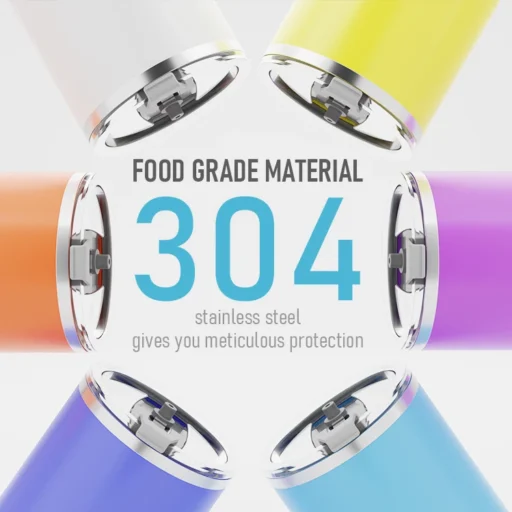
If insulation, leak resistance, food-contact safety, or coating durability are part of the sales story, those claims should be supported by realistic testing and controlled wording. For background on food-contact material oversight, buyers can review the FDA overview of food-contact substances. Buyers serving European markets may also want to review the European Commission guidance on food contact materials.
What Does This Mean for Buyers?
The biggest sourcing wins usually come from better process discipline, not from aggressive price pressure alone. A supplier that helps you reduce variation, clarify specifications, and maintain delivery stability often supports better margin over time.
FAQ
Should I always choose the lowest stainless steel cup quote?
No. The better choice is usually the supplier that can meet your specification clearly and deliver stable quality at scale.
What is the most common hidden cost in sourcing?
Decoration changes, packaging upgrades, rework, delay-related costs, and inconsistent quality are common hidden margin killers.
Why is sample approval so important?
Because it converts assumptions into agreed production standards before the order moves into mass production.
Next Step for Buyers
If you want more profitable stainless steel cup sourcing, build your buying process around aligned specifications, sample control, and realistic supplier comparison. Explore our OEM & ODM services, read more sourcing insights in our blog, or contact us for quotation review and sourcing support.