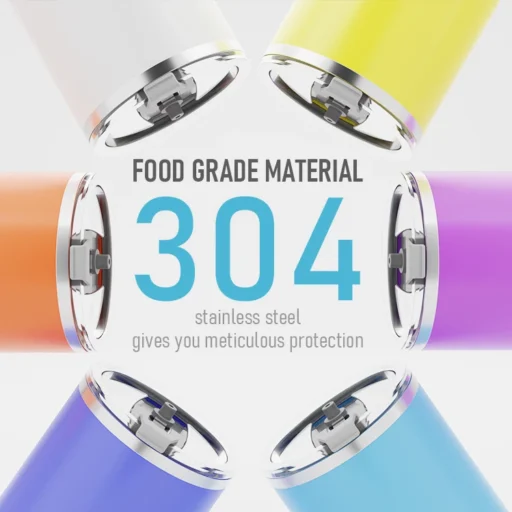
2026 Global Sourcing Guide: The Future of Eco-Friendly Stainless Steel Drinkware
The global sourcing landscape for 2026 eco-friendly custom water bottle trends is maturing. For B2B importers, distributors, and procurement managers, sustainability has evolved from a marketing preference to a strategic operational factor. As we navigate the complexities of international supply chains, understanding the real-world impact of these trends on MOQs, lead times, and compliance is essential for maintaining a competitive edge. For a deeper dive into our production capabilities, explore our OEM/ODM services.
Quick Take: 2026 Sourcing Reality
- MOQ Impact: Certified recycled steel typically requires higher batch sizes due to specialized mill runs.
- Lead Times: Expect additional time for material sourcing and documentation verification.
- Trend Reality: rSteel is mainstreaming, while NFC traceability remains a high-cost niche feature.
- Compliance: GRS and ISO 14001 are increasingly requested to validate claims in regulated markets.
Navigating 2026 Eco-friendly Custom Water Bottle Trends: Real vs. Niche
Not every "green" innovation is ready for mass-market wholesale. It is crucial to distinguish between trends becoming mainstream and those remaining in the experimental stage:
- rSteel (Certified Recycled Steel): Real and accelerating. We are seeing a significant move toward GRS-certified recycled content as it offers a measurable reduction in emissions without compromising quality.
- PFAS-Free Claims: Becoming more relevant in North American and EU markets due to tightening chemical regulations. However, the exact implementation methods vary by manufacturer.
- Digital Product Passports (DPP/NFC): Currently a niche, high-end configuration. While powerful for brand storytelling, the added setup costs mean it is best suited for premium projects rather than general promotion.
Why These Trends Increase MOQ, Lead Time, and Sampling Complexity
Adopting 2026 eco-friendly custom water bottle trends often means trading off speed and flexibility for sustainability. Here is why these shifts impact procurement:
- Batch Consolidation: Certified recycled steel (rSteel) coils are produced in specific batches by mills to ensure purity. Manufacturers often consolidate orders to meet the minimum run requirements of these mills, which can push buyer MOQs to 1,000+ units per color.
- Documentation Verification: Validating GRS Transaction Certificates (TCs) for every batch adds an administrative layer to the shipping process. This verification takes time but is critical to avoid compliance delays at customs.
- Color Matching: Achieving a consistent "monochromatic" look across different materials (steel body, silicone boot, plastic lid) requires rigorous sample validation. Low-VOC powder coatings also react differently than standard finishes, often requiring multiple sampling rounds to get the exact hue.
What are the top 2026 eco-friendly custom water bottle trends?
The top trends for 2026 include the transition to GRS-certified rSteel, nature-inspired monochromatic aesthetics, and PFAS-free standards. While innovations like NFC-enabled traceability are growing, they remain high-value options for specific premium retail niches rather than universal standards.
Which Buyers Should Act First, and Which Buyers Can Wait
The decision to adopt these trends depends on your target market and business model:
- Premium Retail Brands: Should prioritize rSteel and monochromatic designs to align with the "Quiet Luxury" consumer shift.
- EU/North America Compliance-Sensitive Buyers: Must focus on PFAS-free coatings and GRS documentation to mitigate regulatory risks.
- Corporate Gifting Importers: Will find high value in NFC traceability for clients who need to prove the ESG impact of their gifting programs.
- Price-Sensitive Wholesalers: May find certain high-tech trends (like DPP) too costly and should focus on the aesthetic shift toward minimalism instead.
- Low-MOQ Test Projects: Should stick to standard virgin steel for now to maintain speed and flexibility until the eco-supply chain becomes more fluid.
What Sustainability Features Are Most Likely to Be Overhyped in 2026
In the rush to be "green," some features may offer a lower return on investment (ROI) for the average buyer:
Digital Product Passports (DPP): While conceptually strong, the cost of embedding NFC chips and maintaining the backend database is high. Unless your brand story is built entirely on extreme transparency, this feature may increase complexity without a proportional sales lift for general wholesale items.
100% "Zero-Waste" Claims: Be cautious with absolute claims. Even the most efficient factories generate some waste. It is safer and more professional to communicate "significant waste reduction through closed-loop systems" rather than making unverified absolute claims that could lead to compliance exposure.
A More Practical 2026 Adoption Path for Importers
For brands looking to integrate these trends without disrupting their supply chain, we recommend a phased approach:
- Pilot with One SKU: Start with your best-selling model. Convert it to rSteel and test the market response before overhauling your entire catalog.
- Verify Documentation First: Before committing to an order, ask your factory to provide a sample GRS TC to ensure their supply chain is transparent and valid.
- Assess Packaging Feasibility: Eco-friendly packaging (FSC paper boxes) is often bulkier than plastic polybags. Confirm the shipping volume impact to avoid surprise freight cost increases.
- Align Marketing with Reality: Ensure your marketing team reviews the factory's actual sustainability data. Claims should be conservative and verifiable.
Comparison: Standard vs. Eco-Premium Sourcing
| Feature | Standard Sourcing | 2026 Eco-Premium Sourcing | Procurement Impact |
|---|---|---|---|
| Material | Virgin 18/8 Steel | GRS-Certified rSteel | Higher MOQs & longer raw material lead times |
| Coating | Standard Powder | PFAS-Free / Low-VOC | Increased sample validation complexity |
| Traceability | Batch Number | Digital Product Passport | Higher setup costs per unit |
| Packaging | Standard Box | FSC-Certified / Plastic-Free | Bulkier volumes affect shipping costs |
FAQ: Sourcing Sustainable Drinkware in 2026
Q: Will switching to rSteel increase my project's lead time?
A: Yes. Certified recycled steel coils often have longer sourcing cycles than standard virgin steel, adding 7-14 days to the timeline.
Q: Is rSteel as durable as standard stainless steel?
A: Yes. 18/8 stainless steel is a permanent material; properly recycled steel maintains the same metallurgical properties and vacuum insulation performance.
Q: How do I verify a factory's sustainability claims?
A: Request valid GRS Transaction Certificates (TCs) for your specific batch and check for active ISO 14001 certification.
Q: Is NFC/DPP necessary for all sustainable projects?
A: No. It is a premium feature that adds significant cost; it is best suited for brands targeting high-transparency retail channels.
Q: Do eco-friendly claims require specific legal documentation?
A: In many markets, yes. Claims must align with verified data to avoid compliance risks. Ensure your marketing team reviews the factory's sustainability data before publication.
Conclusion
As we navigate the competitive landscape of 2026, the importers who balance sustainability goals with procurement efficiency will lead the market. Staying updated with the 2026 eco-friendly custom water bottle trends is a strategic move, provided the implementation is grounded in supply chain reality and clear documentation. For more industry insights, visit our drinkware blogs or contact our team directly.
Discuss Your 2026 Sustainable Drinkware Project
Consult with our production experts to balance your sustainability goals with operational efficiency.
Explore OEM Options Today