Avoiding Costly Surprises: 5 Strategies for Profitable Stainless Steel Cup Sourcing
Let me share with you the five most common pitfalls I’ve witnessed, specifically for businesses importing items like tumblers wholesale, custom coffee cup orders, and high-volume stainless steel water bottle production. Navigating these correctly can be the difference between a profitable line and a warehouse full of unsellable products.
The "Food-Grade" Illusion: Are Your Materials Really Safe?
You ask for a “food-grade stainless steel water bottle.” Seems straightforward, right? Here’s the catch: in China, “food-grade” can be a broad term. The real devil is in the details—the specific alloy.
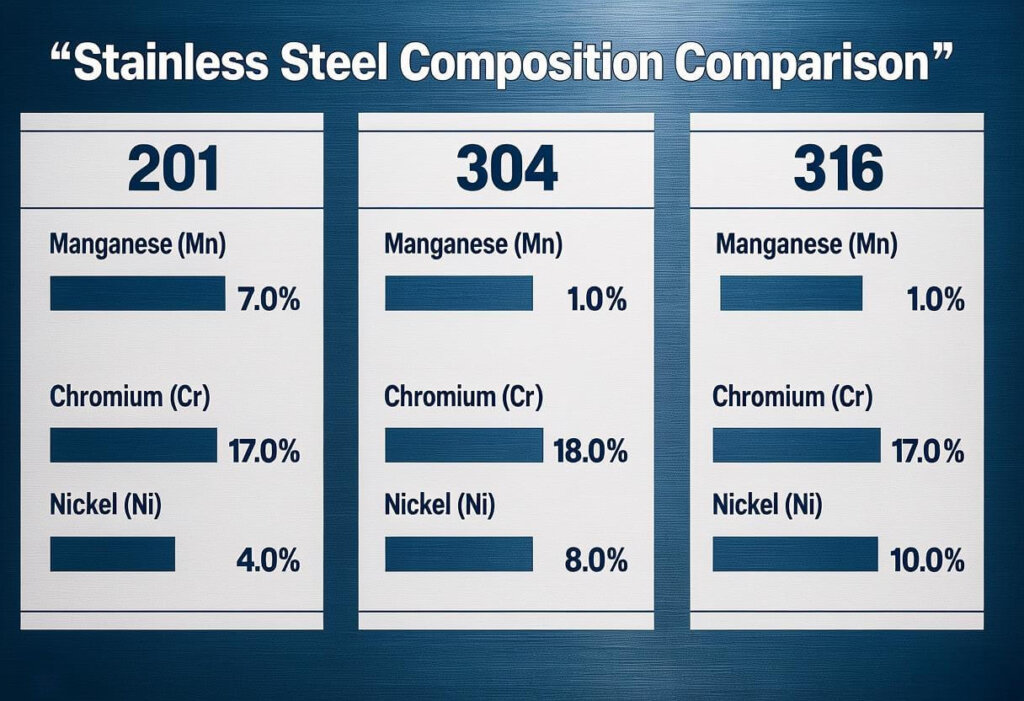
We had a client who learned this the hard way. They ordered 10,000 units of a stainless steel water bottle, specifying “food-grade.” The bottles arrived, looked perfect, but developed a strange metallic smell after a few weeks. The supplier had used a 201-series stainless steel, which is cheaper but contains manganese and has lower corrosion resistance. It’s technically “food-grade” in some contexts, but entirely unsuitable for long-term beverage contact. The entire shipment was a total loss.
The fix? Be relentlessly specific. Demand 304 or 316 stainless steel and ask for the mill test certificates. For plastic tumblers and coffee cup lids, don’t just settle for “BPA-Free.” Specify the exact resin, like Tritan or Eastman copolyester, and require compliance certificates. This isn’t just about safety; it’s about your brand’s reputation. A single product recall can sink you.
The MOQ Trap: Is Your Order Size Realistic or Risky?
Minimum Order Quantity (MOQ) is a standard part of the game. But the biggest mistake is seeing it as a single, fixed number. It’s not.
A supplier might quote you an MOQ of 5,000 pieces for a custom protein shaker bottle. What they often don’t immediately reveal is that this price is based on you ordering 5,000 of the exact same configuration—same color, same lid, same logo. Want to offer two color options? Suddenly, the MOQ might jump to 2,500 per color, effectively doubling your risk.
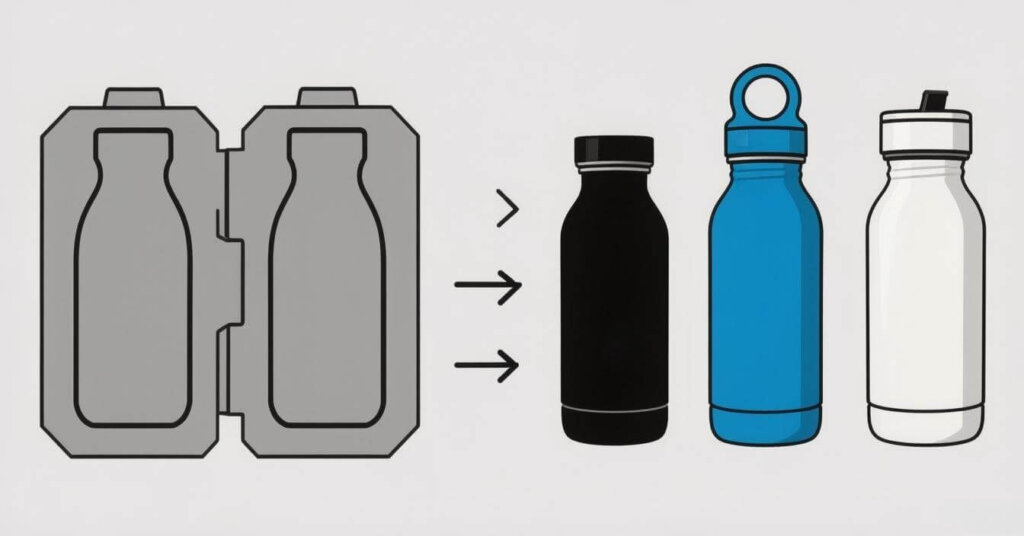
Here’s a strategy that has saved our clients thousands: negotiate for “shared mold” or “family mold” opportunities. If you’re ordering a sport water bottle, ask if the supplier is producing a similar bottle for another client. You might be able to use the same base mold with a different top or color, drastically reducing your upfront tooling cost. The goal is to make your order more flexible and less of a gamble.
"It Looks the Same": The Customization Communication Gap
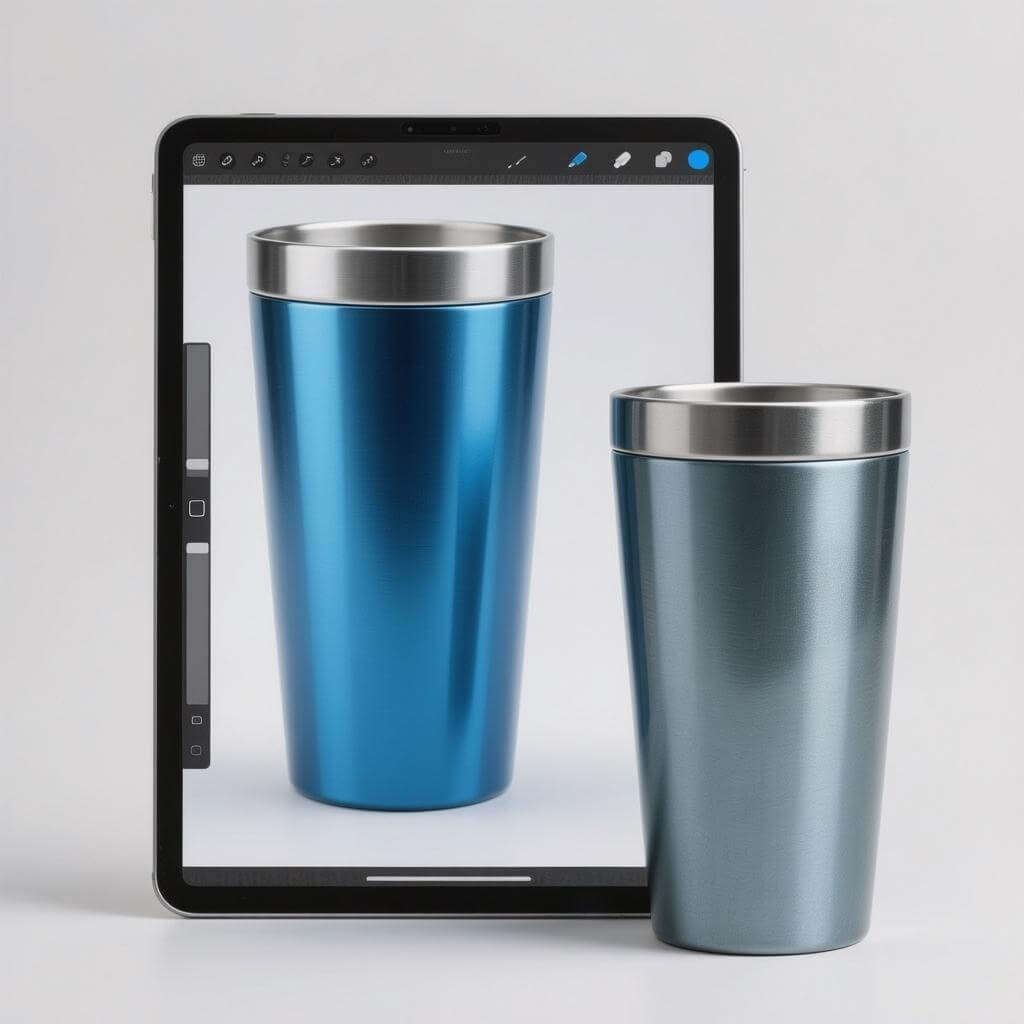
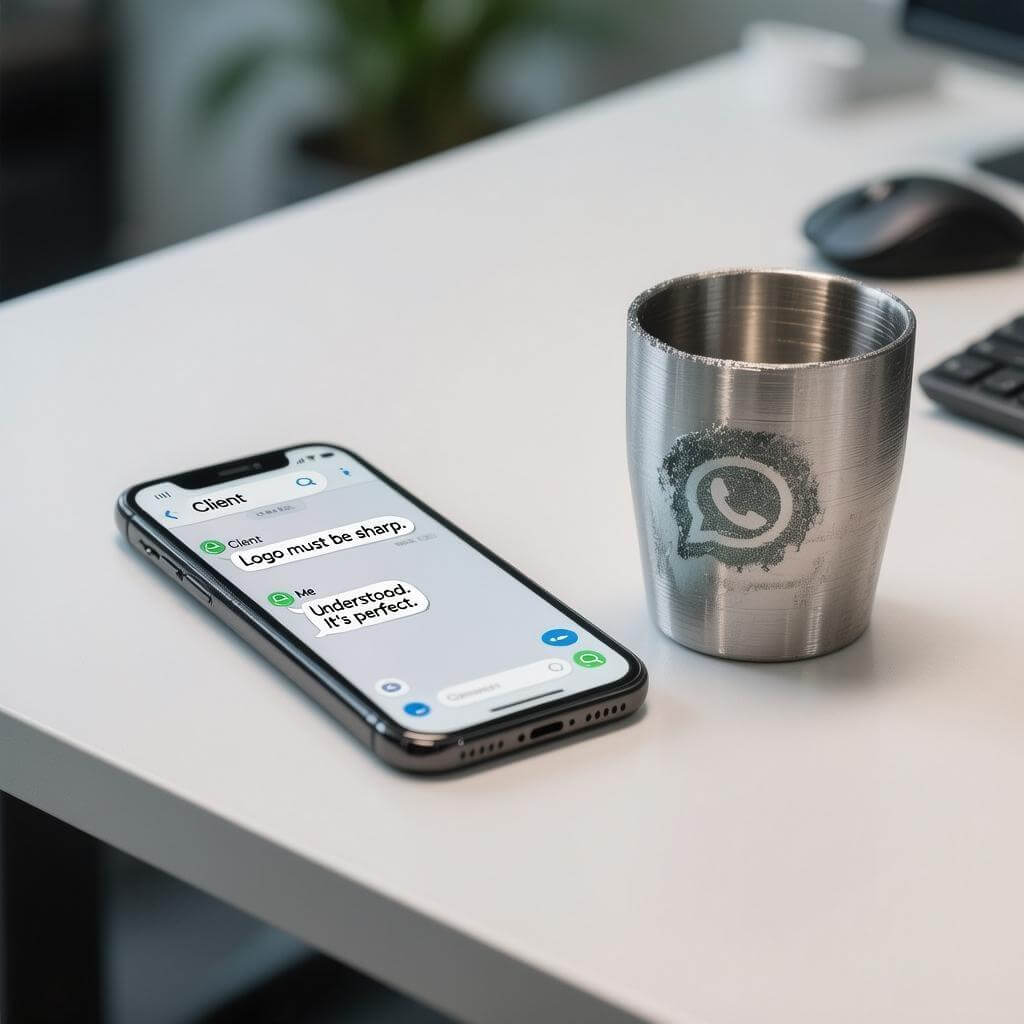
You send a beautiful, vibrant digital mock-up of your branded coffee cup. The production sample arrives, and the colors are… dull. The logo is slightly off-center. The supplier says, “It’s the same.” This is a classic disconnect.
Digital colors (RGB) are not the same as print colors (CMYK or Pantone). Saying “make it blue” is an invitation for error. You must provide Pantone codes. For logos, never send a JPG. Always provide vector files (AI or EPS). I once saw a batch of can coolers where the logo was pixelated because the client sent a low-resolution file, and the supplier, eager to please, used it anyway without questioning.
And what about your unique design? Who owns the intellectual property? Get this in writing before you pay the mold fee. A clear OEM/ODM agreement protects your asset. Don’t assume; formalize it. Our OEM/ODM SERVICES page details how we structure these agreements to protect our clients.
The Silent Compromise: When "Good Enough" Isn't Good Enough
You’re excited. The first production samples of your insulated water bottle are in. You do a quick test—pour in hot water, screw on the lid. It feels warm. You mention it, and the supplier says, “It’s normal, a little heat loss.”
This is a critical moment. “A little” is not a specification. What are the agreed-upon performance metrics? Did you specify that the bottle must maintain a temperature of 70°C for 12 hours? This needs to be in your Technical Data Sheet.
Establish a clear Quality Control (QC) protocol before mass production begins. Define the Acceptable Quality Limit (AQL). How many scratches are tolerable? What is the maximum allowable leak rate? Hire a third-party inspection company to conduct pre-shipment inspections. The few hundred dollars it costs is cheap insurance against a container-load of defective products. This rigorous approach is part of our core philosophy, which you can learn more about on our About Us page.
The Hidden Iceberg: Understanding True Landed Cost
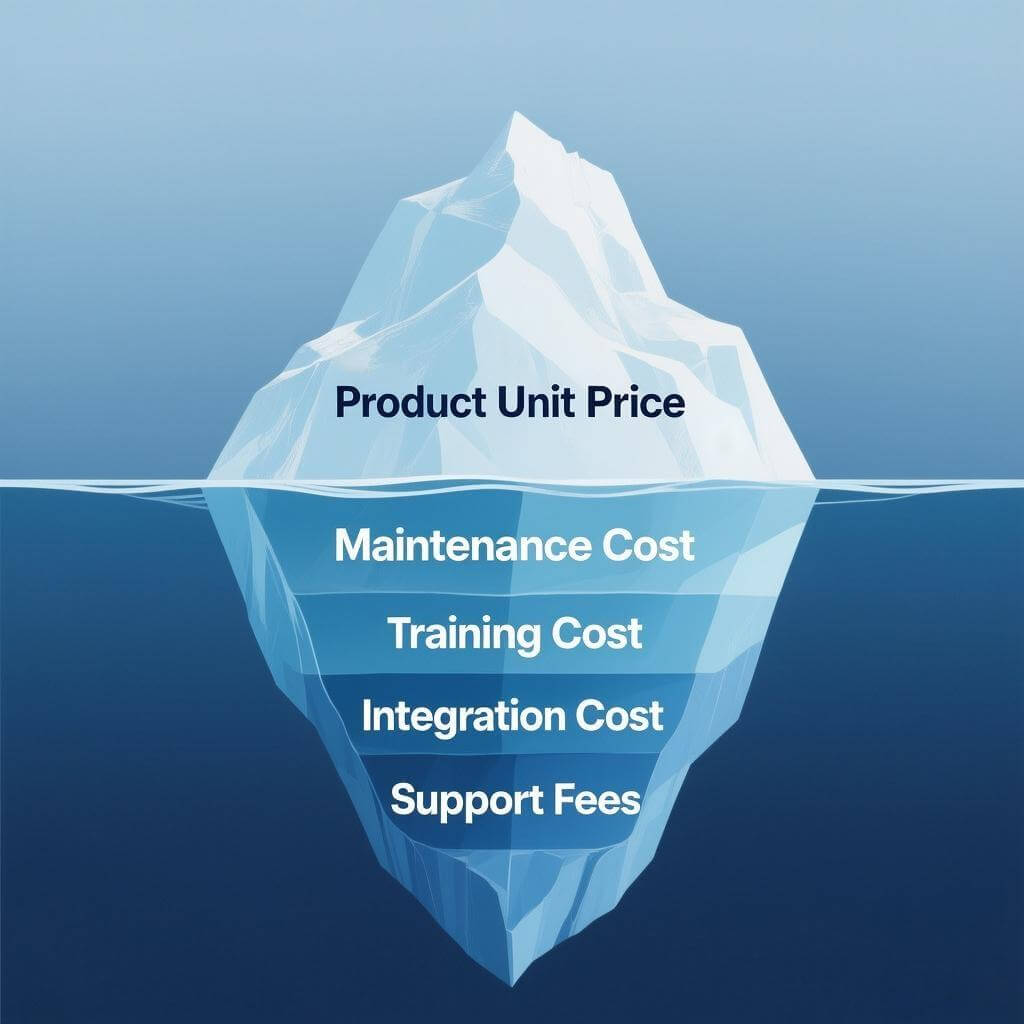
The price per unit the supplier quotes is just the tip of the iceberg. The real cost, the “landed cost,” is what sinks your budget.
Let’s break down a tumblers wholesale order:
- Supplier’s Quote: $3.50 per unit. Looks great!
- Tooling/Mold Fee: $1,500 (amortized over your order).
- International Shipping: $0.80 per unit.
- Insurance: $0.10 per unit.
- Import Duties: 8% of the product value.
- Tariff Classification: (Was your stainless steel water bottlecorrectly classified, or will you face a penalty?)
- Warehousing & Local Logistics: $0.30 per unit.
Suddenly, your $3.50 unit costs you over $5.00 to land in your warehouse. Have you factored all this in? You need to work with your supplier on Incoterms—are they EXW (Ex-Works) or FOB (Free on Board)? This determines who pays for what and when. A misunderstanding here can leave you with unexpected thousands in port fees.
Building a successful supply chain isn’t about finding the cheapest supplier. It’s about finding a reliable partner. It’s about investing time upfront in crystal-clear communication, detailed specifications, and mutual understanding. The goal is a partnership where both sides grow together. Ready to start that conversation? The first step is reaching out through our Contact page. Let’s build something durable, together.