Beyond the Hype: How to Turn Your Stainless Steel Tumblers into a Premium, Planet-Friendly Powerhouse

Let me tell you a story from last quarter. A client came to us, frustrated. They had a great line of double wall tumblers, but they were stuck competing on price. “Everyone’s selling the same thing,” they said. Sound familiar? The market for tumbler cups is crowded. But here’s what we discovered together: the customers who weren’t buying based on the lowest price were the ones asking questions about the materials. They weren’t just looking for a coffee tumbler; they were looking for a statement.
That’s the secret we’ve unlocked over the years. Marketing “sustainability” isn’t about slapping a green leaf on the packaging. It’s about weaving a genuine, compelling story around the inherent value of your product. When you do it right, you’re not just selling a tumbler bottle; you’re selling a reusable piece of a better future. And customers are willing to pay more for that. The key is making them feel that value.
Why Does "Sustainable" Make Your Insulated Tumbler More Valuable?
Think about the last time you bought something. Was it just for the function, or did the story behind it matter? For a growing number of consumers, especially younger demographics, the story is everything. A standard insulated tumbler keeps a drink hot. A sustainably-marketed one does that and assuages the guilt of single-use plastic waste.
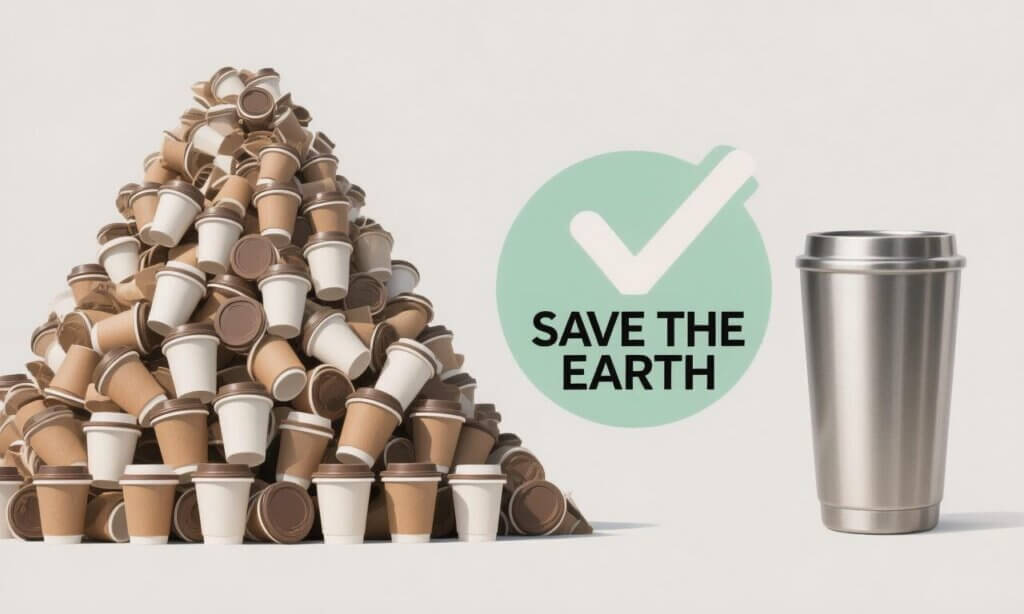
The very nature of stainless steel tumblers is sustainable. Stainless steel is 100% recyclable, and a high-quality one can last for years, even decades. According to the Environmental Protection Agency (EPA), containers and packaging make up a significant portion of municipal solid waste. By offering a durable alternative, you’re not just selling a product; you’re offering a solution. That double wall tumbler with its vacuum insulation isn’t just a feat of engineering; it’s an energy-saving device. It means less reheating coffee in the microwave or dumping out watered-down iced tea. That’s a tangible benefit you can market.
Have you ever calculated how many disposable cups one of your tumbler cups can replace? We did for a client. The number was staggering—over 500 per year for a daily coffee drinker. That’s a powerful data point. Suddenly, that coffee tumbler isn’t a $25 purchase; it’s a small investment with a massive environmental return. This isn’t just a theory; it’s what today’s conscious consumers are actively seeking.
Who Actually Cares About This Stuff? (And Will Pay For It?)

You can’t market to everyone. The beauty of the sustainability angle is that it helps you find your most loyal, profitable customers. We’ve seen this split clearly.
First, you have the “Ethical Evangelists.” These are your core audience. They read labels, they research brands, and their purchasing decisions are deeply tied to their values. For them, the sustainability story is the primary reason to buy. They’ll seek out details about your steel sourcing, your manufacturing energy use, and your corporate recycling programs.
Then, there’s the “Health-Conscious Pragmatist.” This person might buy a tumbler hot and cold primarily because they’ve heard about chemicals leaching from plastic. Their entry point is personal wellness, but they are highly receptive to the environmental benefits. It’s a gateway to a deeper brand connection.
Don’t forget the “Brand-Aware Professional.” They want a sleek insulated tumbler that looks good on their desk and makes a subtle statement about who they are. For them, sustainability is a premium feature that enhances the brand’s prestige. It’s a badge of honor.
Are you tailoring your message to these different groups, or are you using a one-size-fits-all approach?
It's Not Just Steel: The Features That Scream "Worth It"
So, you have a stainless steel tumbler. So does your competitor. How do you make yours the obvious, premium choice? You build the sustainability right into the design and be transparent about it.
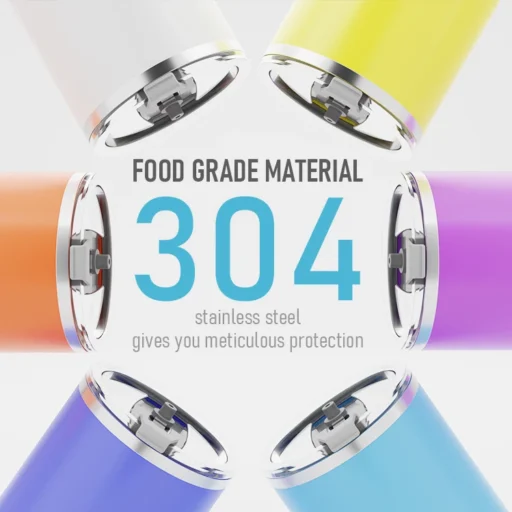
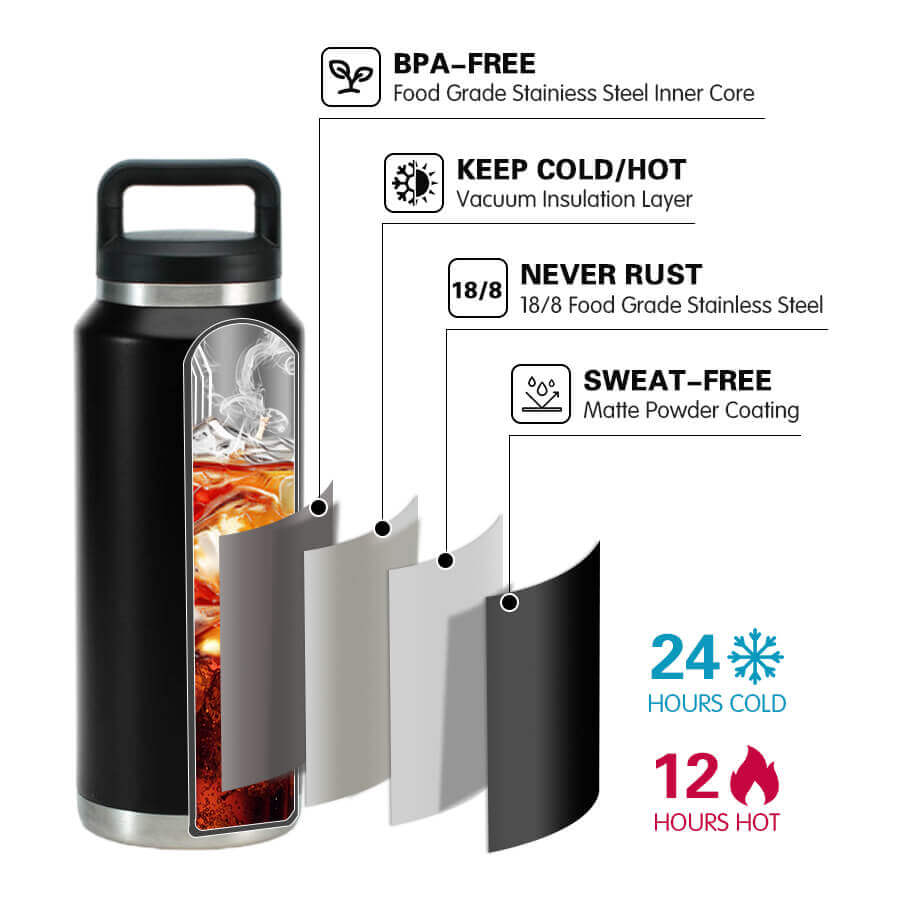
Start with the obvious: the material. Not all stainless steel is created equal. Using high-grade, food-safe 304 or 316 stainless steel isn’t just a quality choice; it’s a safety and longevity promise. Then there’s the insulation. A high-performance double wall tumbler with a strong vacuum seal doesn’t just perform better; it embodies efficiency. It’s a product that works so well it discourages waste.
But let’s dig deeper. What about the lid? Is it also made from high-quality, BPA-free materials? Is the gasket easy to remove and clean, preventing mold and extending the product’s life? What about the paint? We’ve moved several clients to water-based coatings and powder coats, which are more environmentally friendly. These are the details that, when communicated, build immense value.
One of our most successful launches was for a tumbler bottle that came with a lifecycle impact card. It detailed the CO2 savings compared to using plastic bottles. Customers loved the transparency. It made the premium feel justified. (We can help you create something similar—just visit our product customization page to start a conversation).
Telling a Story That Sells: Moving Beyond the Spec Sheet
You can have the most sustainable product on earth, but if you talk about it like a robot, no one will listen. Facts tell, but stories sell.
Instead of saying “made from recycled steel,” try a narrative. “Our journey begins in the heartland, where discarded materials get a second chance at life. We melt them down, purify them, and craft them into your new favorite coffee tumbler—a vessel with a past and a purpose.” Feel the difference?
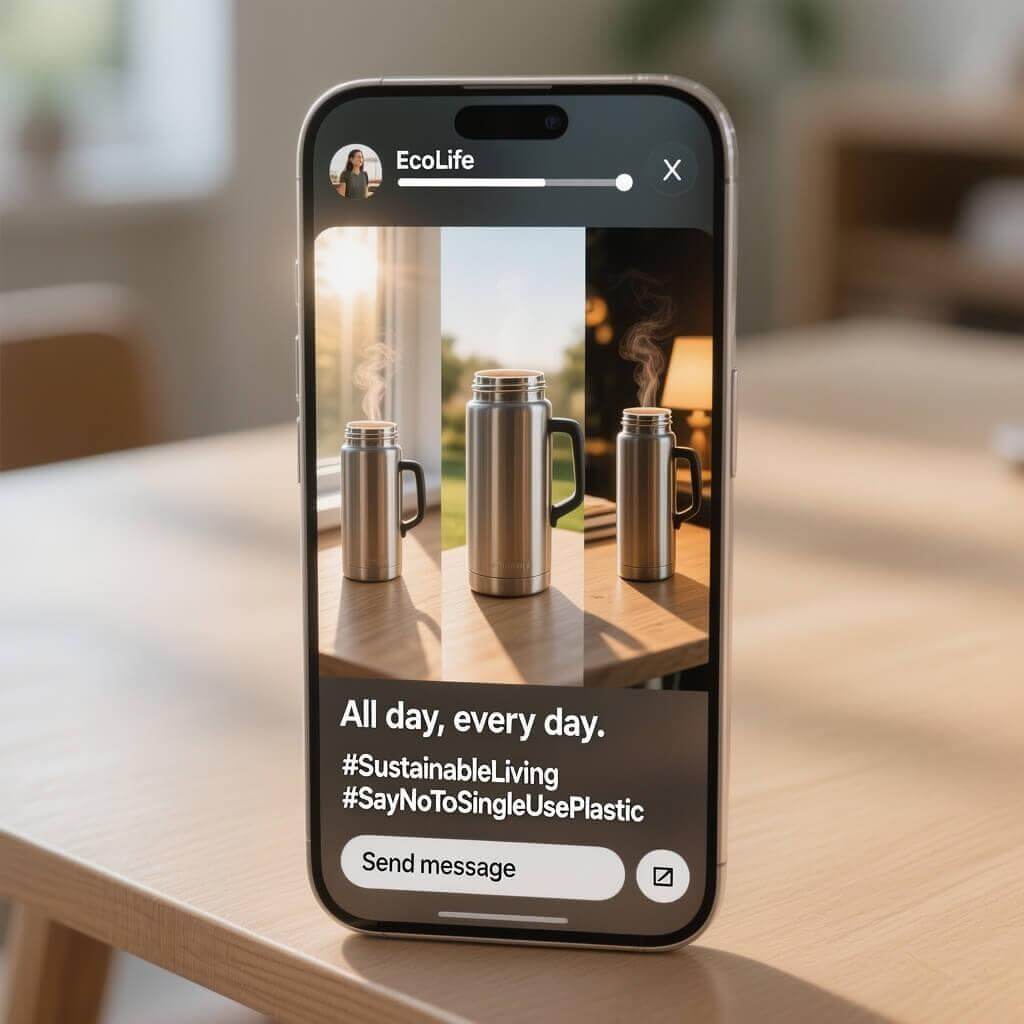
Use your social media, especially video platforms like TikTok and Instagram Reels, to show this story. A time-lapse of a tumbler hot and cold keeping coffee perfect through an entire workday is a powerful demonstration of its anti-waste properties. Partner with influencers who genuinely care about zero-waste living. Their authentic endorsement is worth more than any generic ad.
And be honest. Is your manufacturing process 100% green? Probably not. But are you on a journey to improve? Share that! Customers appreciate honesty over perfection. Talk about your goals for reducing water usage or shifting to solar power. This builds trust, and trust is the foundation of premium pricing.
The Nuts and Bolts of a Premium Price Tag
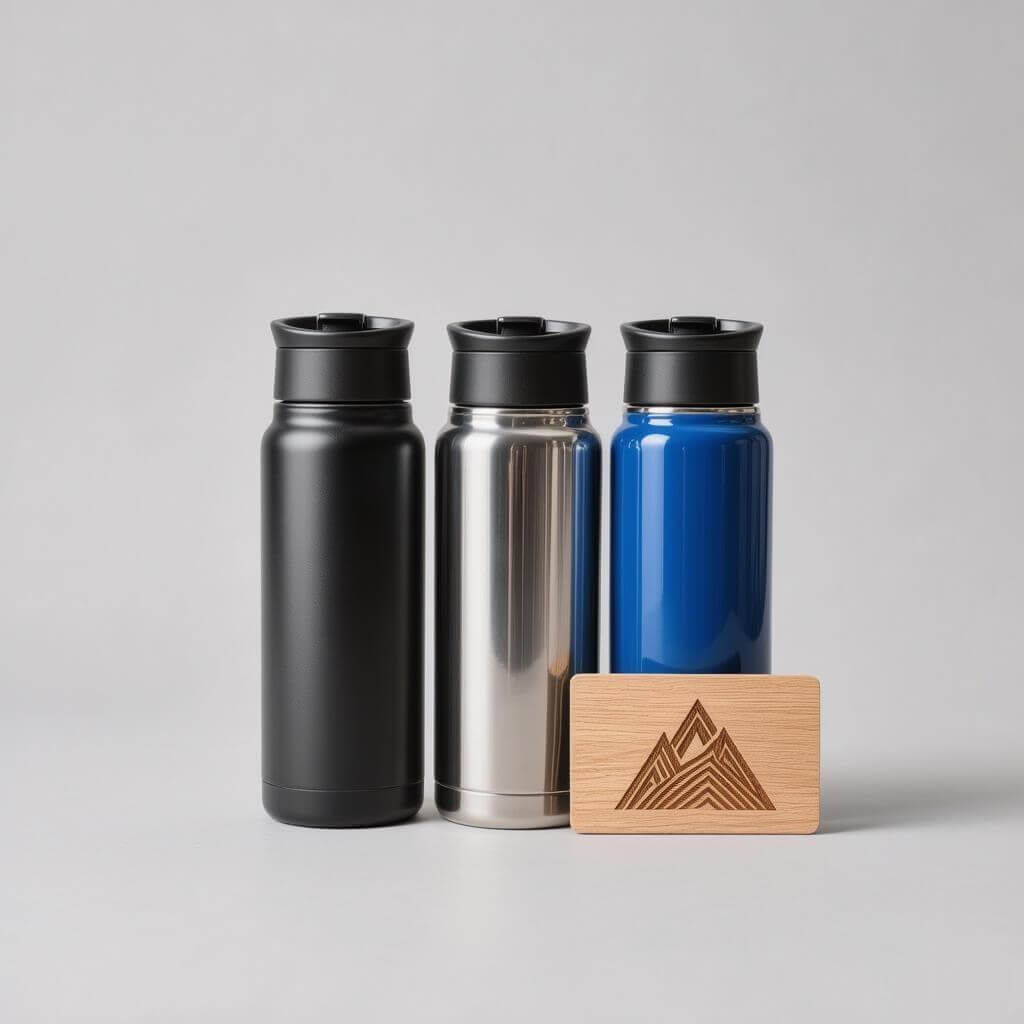
This is where many businesses get nervous. How do you actually put a higher price on your insulated tumbler and get people to pay it?
First, you must anchor the value before you reveal the price. Your marketing should be saturated with the story, the quality, and the impact. The price then becomes a reflection of that total value, not just the cost of steel and labor.
Consider creating tiers. A standard tumbler cups line and a premium “Eco-Elite” line with enhanced features like a lifetime warranty, organic cotton carry sleeve, or a direct donation to an ocean cleanup fund with each purchase. This gives customers a choice and clearly segments the market.
Bundle products. A tumbler bottle paired with a biodegradable cleaning brush and a package of eco-friendly drink tablets creates a “Sustainable Starter Kit” that commands a higher average order value.
Most importantly, be confident. If you truly believe your product offers superior value for the customer and the planet, that confidence will come through in your branding. You’re not just selling a cup; you’re selling a piece of a movement. And that, we’ve found time and again, is something people are proud to invest in.
Ready to build your own sustainable success story? Explore our stainless steel tumblers and see how our customization options can help you tell yours. Learn more about our commitment on our About Us page.