Don't Get a Lemon: The 10 Must-Ask Questions Before Choosing Your Chinese Stainless Steel Bottle Partner

Let me tell you about a call I had just last week. A fellow importer was almost in tears. He’d received his first full container of sport water bottles, and the lids were leaking. Not a little, but a lot. The factory he’d chosen was all smiles and promises until the deposit was paid. Then, communication slowed, and the quality… well, it wasn’t what was promised. He’d skipped the deep dive, lured in by a low price, and it cost him dearly.
Sound familiar? Maybe you haven’t been burned that badly, but you’ve probably felt that twinge of uncertainty. Sourcing from Chinese stainless steel bottle manufacturers is a fantastic way to get high-quality products at competitive prices. But the landscape is vast, and not all factories are created equal. Over the years, my team and I have developed a checklist—a kind of “grilling” we do before we even think about a contract. It’s saved us more times than I can count.
Here are the 10 key questions that separate the pros from the amateurs.
1. "Can I see your material certification certificates, and where do you source your raw steel?"
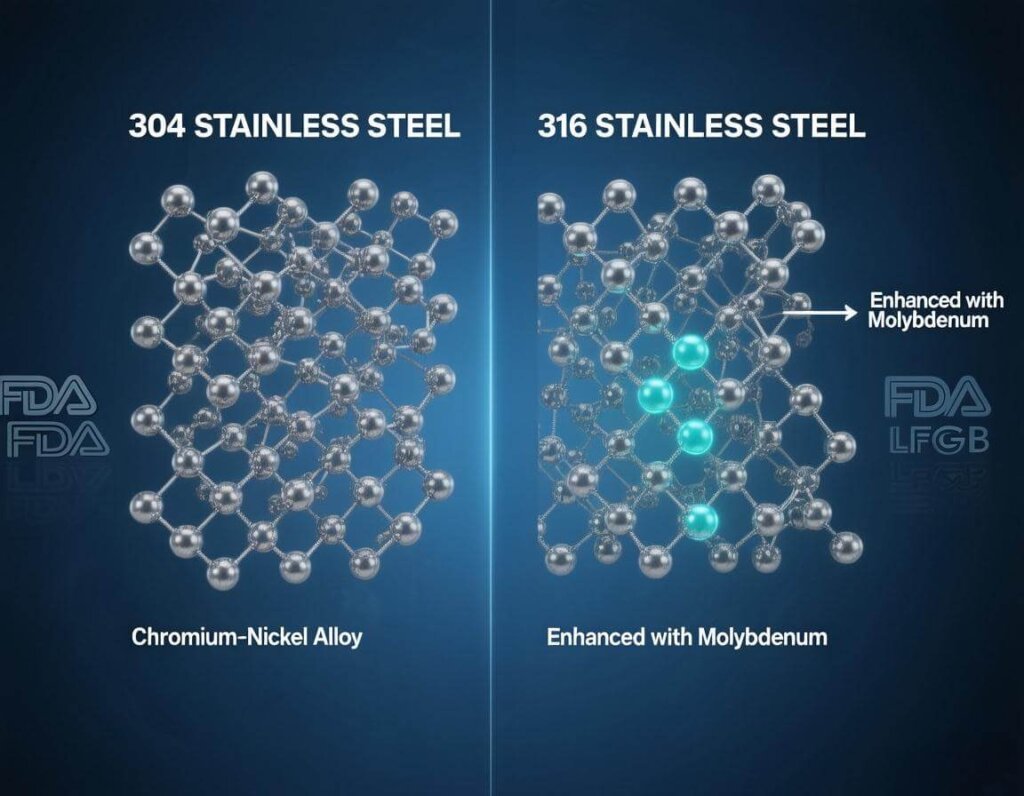
This is where it all begins. The heart of your tumbler or coffee cup is the steel. You’ll hear about 304 and 316 stainless steel. 304 is the workhorse, perfect for everyday use. But for highly acidic or corrosive environments, you need the molybdenum in 316. Don’t just take their word for it.
Ask for the mill certificates for the steel coils. Reputable factories get them with every batch. Also, insist on seeing food-grade and LFGB/FDA compliance certificates. We once audited a factory that showed us beautiful certificates, but when we asked to see the test reports linked to the specific batch of raw material, things got very quiet. That silence told us everything we needed to know. This due diligence is a core part of our OEM/ODM services philosophy—we vet so you don’t have to.
2. "What is your actual, proven daily production capacity for a model like mine?"
A factory might tell you, “Oh, we have a large capacity.” Push for specifics. If you’re planning an order for 50,000 protein shaker bottles, you need to know if their line can handle that without a 90-day lead time.
Ask: “How many injection molding machines do you have? What are their tonnages? How many automated welding stations are dedicated to bottle bodies?” The answers will paint a clear picture. A factory running at 110% capacity is a red flag; quality will inevitably slip. You want a partner with a comfortable buffer. This operational stability is something we deeply value in our own About our company story.
3. "Walk me through your customization process from my logo file to a finished sample."
Every brand is unique. Your can cooler or insulated water bottle needs to reflect that. A good manufacturer isn’t just an order-taker; they’re a design partner.
Do they have in-house graphic designers who can advise on print techniques? Can they handle complex Pantone color matching? What about different lid colors or special finishes like a matte texture or a glossy wrap? Ask them to explain the steps for a simple logo application. If they can’t clearly articulate the process for sampling, artwork approval, and production setup, you might face headaches later. We’ve built our entire OEM/ODM services platform around making this process seamless and transparent.
4. "How many quality control inspectors are on the floor, and what does your IPQC process look like?"
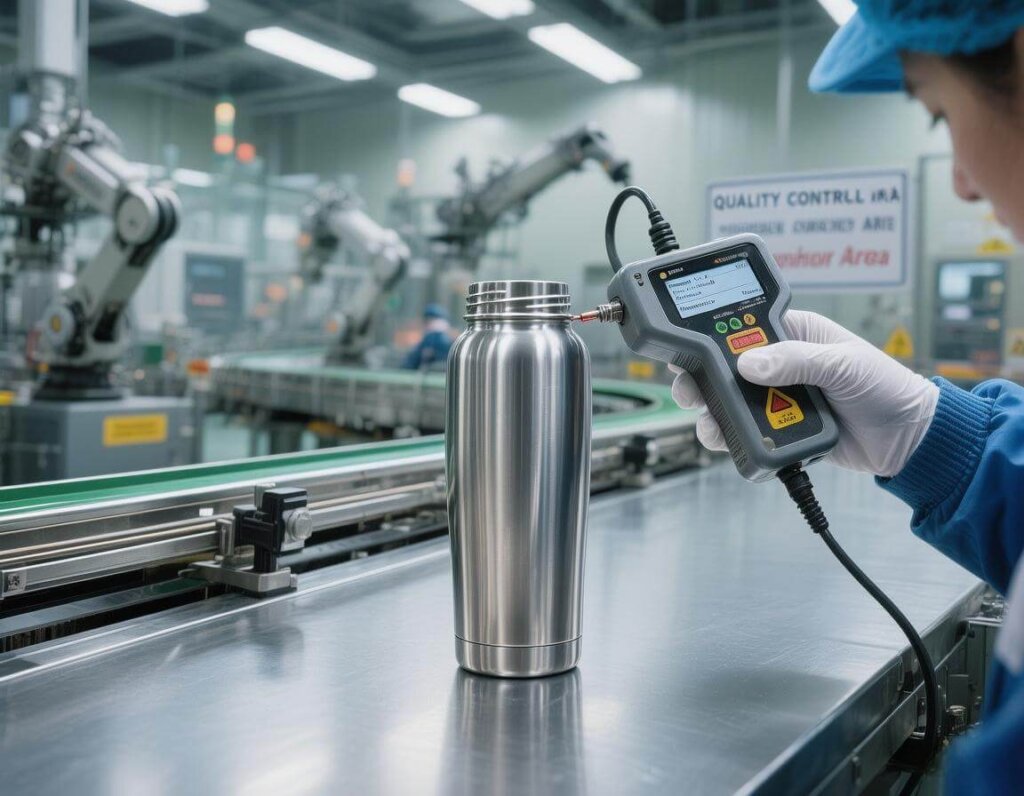
Quality isn’t checked in; it’s built in. IPQC—In-Process Quality Control—is the heartbeat of a reliable factory. Anyone can do a final inspection before shipping. The best factories have inspectors on the line, at every critical stage.
Ask for the ratio of QC staff to production staff. A good benchmark is around 1:10. Then, ask what they check for during production. Is it just visual? Or do they do spot-checks for weight, dimension, and leak tests? One of our trusted partners does a leak test on every single sport water bottle before it’s packed. That’s the kind of standard you’re looking for.
5. "Beyond the product, can you show me your social compliance audit reports?"
The world is changing. Customers care about how products are made. Are the workers treated fairly? Are working conditions safe? This isn’t just about ethics; it’s about your brand’s reputation.
Ask if they have recent BSCI, Sedex, or similar audit reports. A factory that is proud of its working conditions will be happy to share this (with confidential information redacted, of course). A factory that hesitates or makes excuses may be hiding practices that could become a PR nightmare for you down the line.
6. "What is your policy on handling defects found upon arrival at my warehouse?"
This is a critical one. The factory’s quality might be great, but sometimes things slip through. Or, even worse, damage can occur during transit. You need to know before you sign who is responsible and what the process is.
A professional manufacturer will have a clear, written policy. It might involve sending photo evidence, a percentage of free replacements for the next order, or in severe cases, a financial compensation claim. If they say, “We’ll deal with it if it happens,” insist on getting it in writing. Clarity here prevents conflicts later.
7. "Can you provide references from other international clients you've worked with for over two years?"
Anyone can have one happy customer. Long-term relationships are the true test. A factory that maintains clients for years is likely doing most things right—consistent quality, good communication, and reliable delivery.
Don’t be shy about asking for 2-3 references. When you get them, ask specific questions: “Was communication smooth?” “Did they meet deadlines?” “How did they handle problems?” The answers are pure gold. This commitment to building lasting partnerships mirrors our own approach, which you can read more about on our About page.
8. "Who will be my single point of contact, and what are their English language capabilities?"
There’s nothing more frustrating than explaining your issue to five different people. You need one dedicated account or project manager who knows your order inside and out.
During your communications, assess their English. Is it technical enough to discuss details like “vacuum insulation efficiency” or “thread compatibility”? Miscommunication on technical points is a major source of errors. A great point of contact is proactive, responsive, and speaks your language—both literally and figuratively. This is the standard we set for our own Contact team.
9. "What is your standard lead time from confirmed order to being 'goods ready' at the port?"
Be wary of factories that promise the moon. An unrealistically short lead time can mean they are cutting corners or, more commonly, they are not being truthful and delays are inevitable.
Ask for a breakdown: material procurement (X days), production (Y days), QC and packing (Z days). This shows you they have a realistic plan. Also, ask about their historical on-time delivery rate. A confident factory will share this data.
10. "Can you provide a detailed cost breakdown, not just a single unit price?"
The final price per coffee cup is important, but the breakdown tells the real story. What is the cost of raw materials? Labor? Overhead? Profit? This transparency builds trust.
It also helps you understand where potential savings are if, for example, you change a packaging material. If a factory is unwilling to provide a basic breakdown, it can be a sign they are padding the price unnecessarily or using lower-quality materials than quoted.
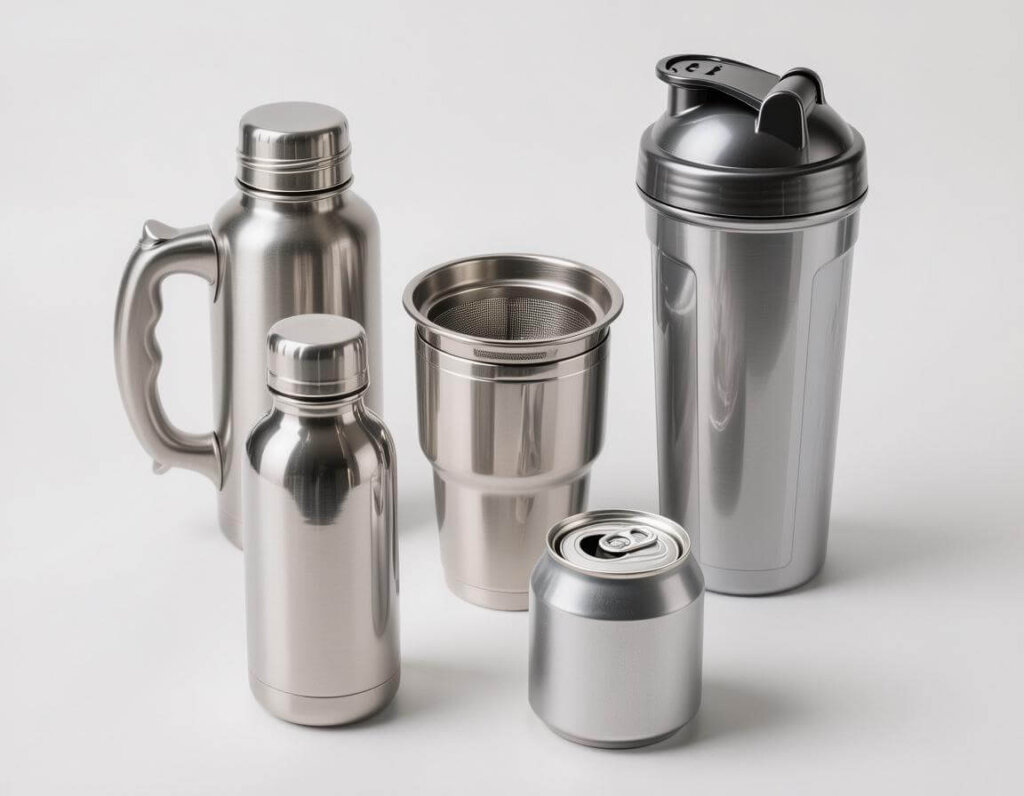
So, there you have it. These ten questions have been our shield and our guide. They help us find partners, not just suppliers. Partners who help us deliver the exceptional tumblers, protein shaker bottles, and insulated water bottles that our clients rely on. The next time you’re evaluating a potential manufacturer, take this list with you. Your future self, calmly sipping coffee from a perfectly made mug, will thank you.