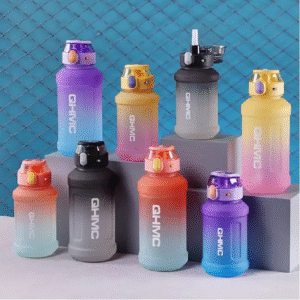
Description
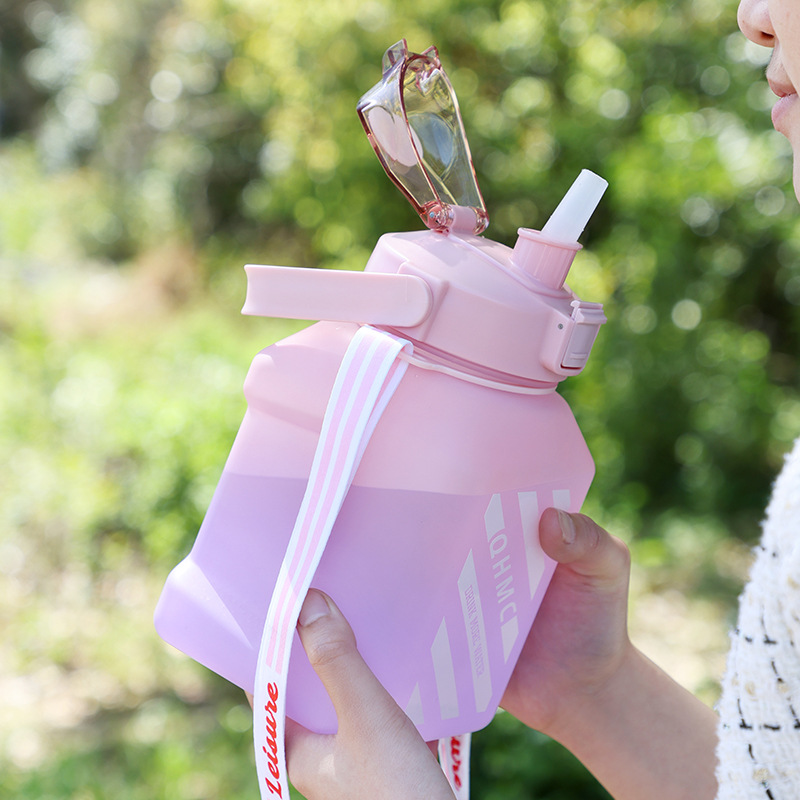
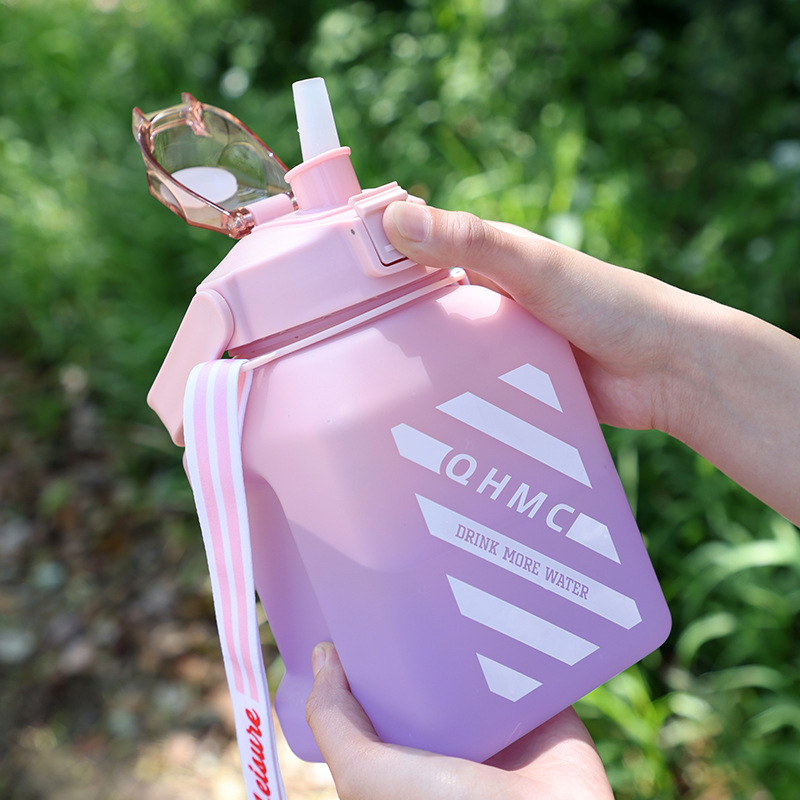
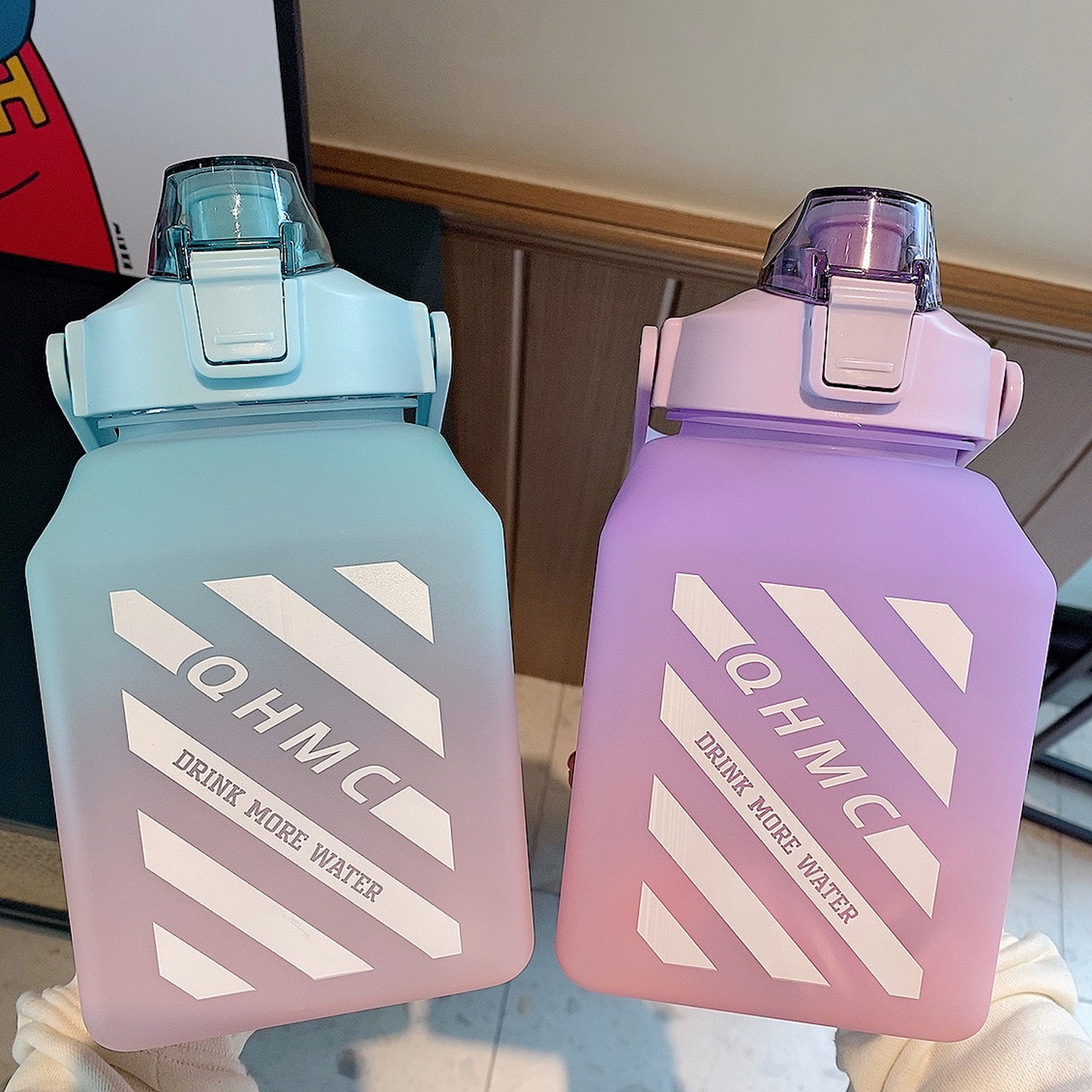
1500Ml Portable Plastic Drinkware
Plastic at 1.5 litres needs different rules
A 1.5L plastic bottle is not a scaled-up 500ml bottle. The volume-to-surface ratio changes, the load on the cap thread doubles, and the body has to resist deformation under its own weight when full. Most failures in this format happen at the neck and the base, not in the body wall.
Tritan versus PP at this size
Tritan gives clarity and impact resistance and is the material that makes a large bottle look like glass. It also costs roughly twice as much as PP and is more sensitive to molded-in stress, which shows as haze or crazing after repeated washing if the mold is not thermally balanced.
PP is tougher in the sense that it tolerates abuse, is cheaper, and is opaque. For a gym or outdoor product, PP is often the better engineering choice even though it photographs worse.
Neck and thread under load
A full 1.5L bottle puts about 1.7kg of load on the cap thread when carried by the cap. Over time that load deforms a thin neck. The neck wall on a large-format bottle should be at least 2.5mm, and the thread should have three full turns rather than two.
A two-turn thread on a heavy bottle is a leak waiting for a temperature change.
Base design and standing stability
A large plastic bottle with a petal base stands well but is hard to clean. A flat base with a recessed ring cleans easily and deforms under load. The compromise used in most successful 1.5L designs is a shallow petal with a smooth interior, which keeps the interior cleanable while giving the base rigidity.
Dishwasher reality
Large plastic bottles rarely fit in a dishwasher, so hand washing is the actual use case and the design should assume it. A wide mouth of at least 50mm lets a brush in; a narrower mouth means the bottle is rinsed rather than washed, which leads to odor complaints within a month.