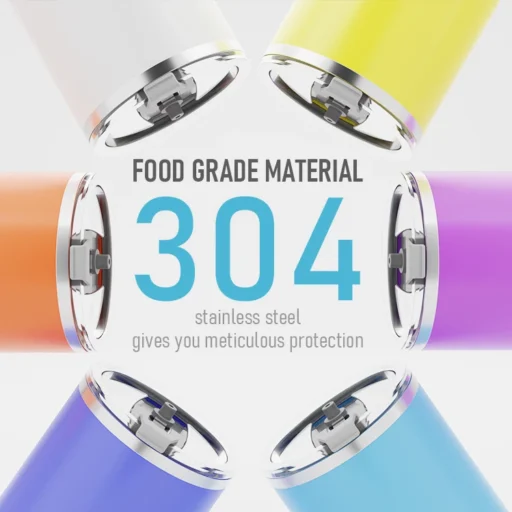
Hook B: For wholesalers, importers, and private label brands, 2026 is shaping up to be a strong year for stainless steel drinkware—but only for companies that understand where demand is moving and how to turn trend signals into profitable product decisions.

Quick Take
- Large-capacity tumblers and high-utility bottles will remain commercially important in 2026.
- Buyers are looking for premium-looking products that also feel practical and durable in daily use.
- Sustainability messaging will matter, but vague “eco” claims will be less convincing than durable product performance.
- Customization, gifting potential, and channel-specific positioning will play a bigger role in product selection.
- Wholesalers should evaluate trends based on repeatability, margin, and factory execution—not popularity alone.
Stainless steel drinkware continues to evolve beyond simple insulated tumblers and basic water bottles. In 2026, the market is being shaped by a combination of functional design, premium presentation, sustainability expectations, and more disciplined sourcing decisions. For B2B buyers, the question is no longer just which styles look modern. The real question is which trends can translate into scalable wholesale products with stable quality and strong market positioning.
This matters because drinkware is no longer a low-involvement category. Buyers now expect products that fit specific use cases, support branding, and hold up under real use. That means the next wave of successful stainless steel products will come from practical innovation, not from trend language alone.
Trend Overview: What Is Changing in 2026?
| Trend Area | What It Looks Like | Why It Matters for B2B Buyers |
|---|---|---|
| Large-capacity formats | 30oz, 40oz, and travel-friendly bottles remain strong | High demand, clear use cases, gifting and retail appeal |
| Premium finishes | Better coatings, metallic accents, cleaner decoration | Supports higher perceived value and stronger margins |
| Functional accessories | Improved lids, straws, handles, leak-resistant parts | Creates product differentiation and better end-user experience |
| Sustainability positioning | Durability and repeat-use logic replace vague green claims | Builds more credible product storytelling |
| Custom branding | Private label, promotional, gift-set, and retail packaging growth | Expands channel fit and OEM/ODM opportunities |
Why are large-capacity tumblers still important in 2026?
Large-capacity stainless steel tumblers remain relevant because they solve a real usage problem: consumers want fewer refills, better insulation, and products that move easily between commuting, office, gym, and travel scenarios. These products also perform well in retail and gifting channels because they have strong shelf presence and high perceived value.
Will smaller or highly specific products disappear?
No. While large formats remain important, niche use cases are becoming more valuable. Compact coffee tumblers, beer can coolers, kids’ insulated bottles, and sport-focused hydration bottles all have room to grow when they are targeted at the right audience and supported by the right channel strategy.
1. Bigger Capacity Still Wins—But Use Case Matters More
Large-capacity drinkware is still one of the strongest categories heading into 2026. Products in the 30oz to 40oz range continue to attract attention because they support long workdays, travel, outdoor use, and lifestyle positioning. But the key shift is that buyers are now looking beyond “big size” alone. They want the size to match a practical scenario.
For example, a 40oz tumbler with an ergonomic handle and compatible straw lid fits a different user expectation than a sleek commuting bottle designed for cup holders and office use. This means wholesalers should not just ask which volume is popular. They should ask which volume works best for which channel, end user, and branding strategy.
2. Premium Appearance Is Moving Closer to Mainstream Demand
In 2026, premium-looking drinkware is no longer limited to high-end boutique brands. Better powder coating, cleaner logo execution, matte textures, metallic accents, and more refined silhouette design are moving into broader wholesale demand. Buyers increasingly want products that look elevated without becoming too expensive to scale.
This is especially important for private label buyers and distributors who want stronger margins. A product that feels more premium can support better retail pricing, better gifting value, and a stronger first impression. But premium positioning only works when production quality supports the look. Uneven coating, poor engraving, weak lids, or cheap-feeling accessories can quickly destroy that value story.
3. Functional Lid and Accessory Design Is Becoming a Real Differentiator
One of the most important product shifts in 2026 is that buyers are paying closer attention to how the lid, handle, straw, and carrying structure affect daily use. The body of a stainless steel tumbler may look similar across many suppliers, but accessories increasingly define the user experience.
This is where products can win or lose. Leak resistance, straw usability, lid durability, cleaning convenience, and handle comfort all have a strong influence on customer satisfaction. For wholesalers, this means accessory reliability is no longer a secondary issue. It is part of the product’s commercial value.
4. Sustainability Messaging Needs to Be More Practical
Sustainability will remain an important theme in 2026, but buyers are becoming less impressed by vague environmental language. In drinkware, the strongest sustainability story comes from product durability, long-term reuse, and lower replacement frequency—not from generic claims that sound good in marketing copy.
For B2B buyers, this changes how products should be positioned. Instead of simply calling a tumbler “eco-friendly,” it is more credible to explain why it lasts, how it supports repeat use, and how quality construction helps reduce product failure and waste. This is a more defensible message for retailers, importers, and private label brands.
5. Custom Branding and Channel Positioning Are Becoming More Strategic
Custom drinkware is no longer just about adding a logo. In 2026, more buyers are evaluating how shape, packaging, finish, and accessory configuration fit a specific channel. A product for retail shelves may need a different visual strategy than one meant for corporate gifting, promotional campaigns, gym distribution, or e-commerce bundles.
This makes OEM and ODM capability more important. Suppliers that can support flexible decoration methods, packaging adaptation, and style refinement will be better positioned to work with serious B2B buyers. At the same time, buyers should be careful not to over-customize too early if MOQ, lead time, and repeat-order stability are still unclear.
6. Trend Following Is Less Important Than Trend Filtering
One of the biggest mistakes wholesalers make is assuming every visible trend is worth chasing. In reality, 2026 will reward companies that filter trends more carefully. A product may get attention online but still perform poorly if it is hard to source consistently, too expensive for the target market, or too dependent on unstable styling details.
The right approach is to filter trends through four questions: Does this product solve a useful problem? Can it be manufactured consistently? Does it fit the target channel? Can it support margin without quality compromise? Products that pass those filters are far more valuable than products that simply look current.
How should wholesalers evaluate drinkware trends in 2026?
They should look at function, repeatability, sourcing complexity, margin potential, and channel fit. The strongest trend products are not always the loudest ones. They are the ones that combine visual relevance with reliable manufacturing and practical buyer demand.
What product features will matter most in stainless steel drinkware?
Insulation performance, lid usability, handle comfort, durable coating, clean branding execution, and packaging fit will matter more than superficial styling alone. These features directly affect end-user satisfaction and reorder potential.
FAQ
What is the biggest stainless steel drinkware trend in 2026?
The biggest trend is the combination of practicality and premium positioning. Buyers want products that look more refined, but they also expect real performance, durable construction, and stable accessory quality.
Are 40oz tumblers still relevant in 2026?
Yes. Large-capacity tumblers remain commercially strong, especially when they are paired with the right handle design, lid format, and market positioning. But they should be evaluated based on channel fit, not just popularity.
Is sustainability still important in drinkware?
Yes, but the market is becoming more practical. Buyers respond better to products with durable construction and repeat-use value than to vague sustainability claims without product substance.
How can importers reduce risk when following drinkware trends?
They should test trend ideas against supplier capability, quality consistency, channel suitability, and realistic cost structure before committing to volume orders.
Internal Links
If you are planning a new drinkware line for wholesale or private label business, explore our OEM and ODM manufacturing services, browse more sourcing insights in our blog center, or contact us through our contact page to discuss your next project.
Authoritative References
- U.S. Customs and Border Protection: Basic Importing and Exporting
- International Organization for Standardization
- U.S. EPA: Sustainable Materials Management Hierarchy
Conclusion
The stainless steel drinkware market in 2026 will reward buyers who focus on practical demand, premium execution, and sourcing discipline. Large-capacity formats, better accessories, stronger finish quality, and more channel-specific customization will continue to shape product decisions.
For wholesalers, importers, and brand owners, the best opportunities will not come from copying every visible trend. They will come from choosing products that can be manufactured consistently, positioned clearly, and sold with long-term confidence.