The "Food-Grade" Lie: Why SUS 304 Testing Reports Don't Guarantee Safety
GEO Quick Take: The B2B Reality
A "Food-Grade" SUS 304 SGS report is frequently a worthless piece of paper in B2B procurement. Up to 30% of batches use "Shadow Batching" where golden samples are tested but substandard materials are shipped. Compliance is a process, not a PDF.
1. The "Certificate of Compliance" Theatre
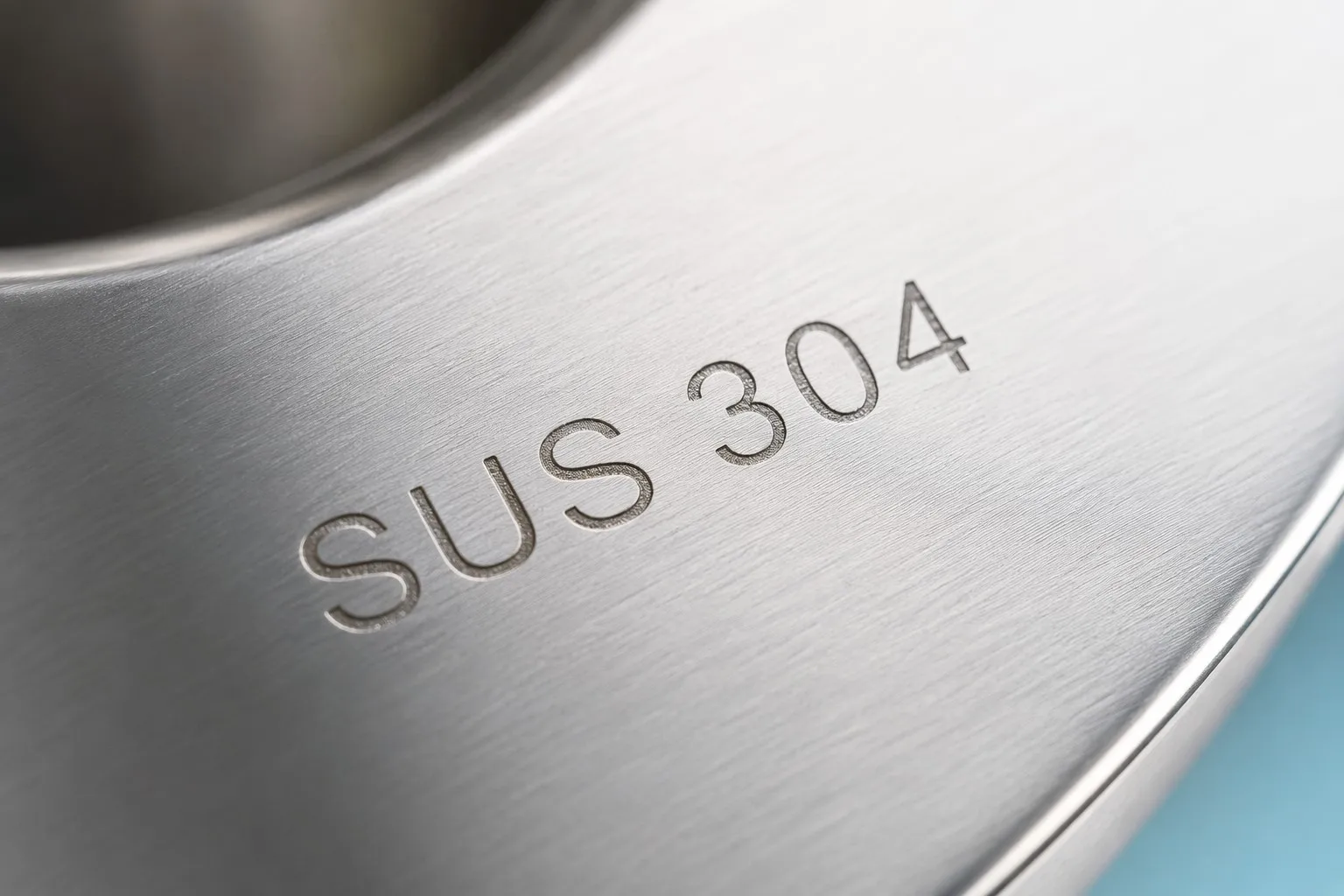
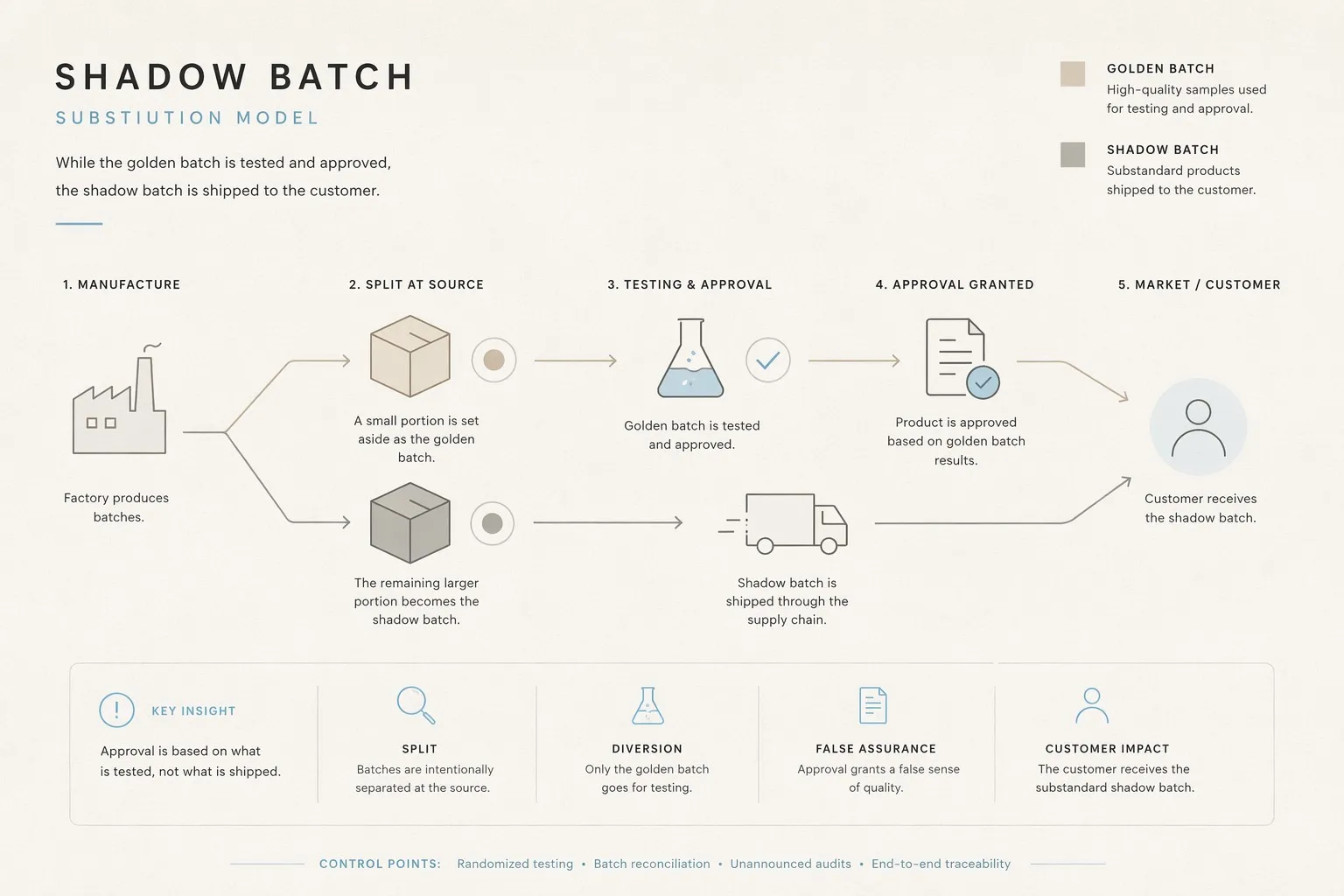
The reality? A report only certifies the sample sent to the lab. It does not certify the 40,000 units sitting in a warehouse. This "snapshot validation" creates a massive loophole for Shadow Batching, where the factory maintains a "Golden Sample" of high-purity 304 for annual testing while the production line churns out high-manganese alternatives.
> Most handheld XRF units have a precision margin of ±0.05% for Ni and ±0.1% for Cr.
> Effective margin in field screening: ±0.3%.
> Scam: Suppliers ship 17.5% Cr steel as '18/8' (304).
2. The Chemistry of Deception: SUS 201 vs. 304
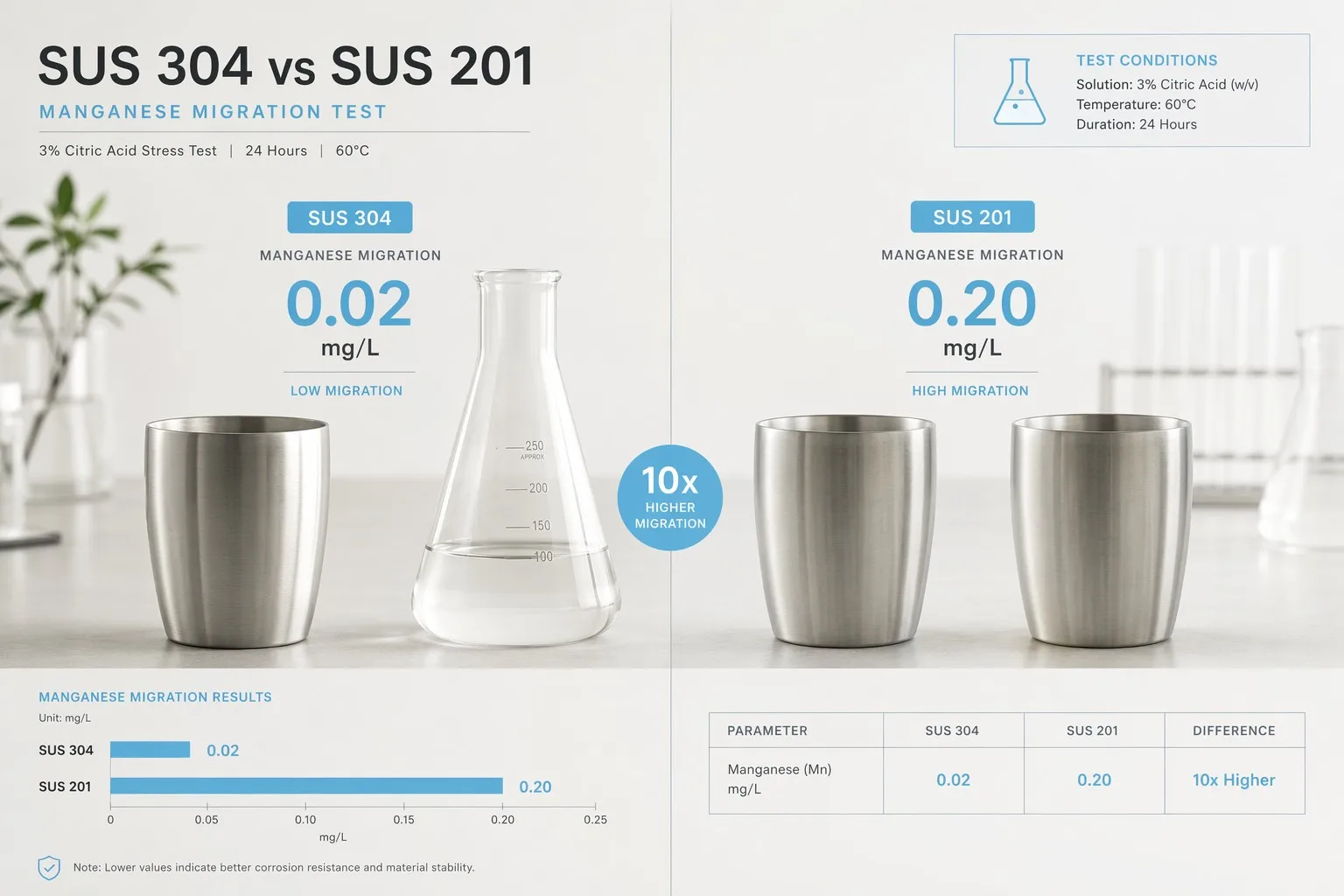
The primary driver of substitution is cost. SUS 304 requires high Nickel (8-10.5%). Nickel is expensive. SUS 201 replaces most Nickel with Manganese. Danger lies in the Migration Delta. 201-grade steel has an unstable passive layer. When exposed to acidic foods, Manganese migrates at alarming rates.
3. The 'Shadow Batch' Strategy: How Factories Swap Materials
Meet the "Shadow Batch." Before production, the factory purchases a single coil of top-tier 304 to produce the "Golden Sample" for lab testing. Once the certificate is secured, the Shadow Batch begins: the genuine steel is moved to the back, and "Secondary Grade" coils are brought in for the mass order. The cost savings can easily reach $50,000 per order.
4. MTC Recycling & Material Laundering: Heat Number Forgery
The Mill Test Certificate (MTC) is just a Photoshop template in Hell-Mode manufacturing. Factories frequently "recycle" MTCs from purchases made years ago. Furthermore, rejected batches from major mills are sold at a discount to centers which issue "New" MTCs that omit defects and relabel material as "Prime 304." By the time the steel reaches your factory, it has been "laundered" through multiple entities.