The Wholesaler's Blueprint: Building a Bulletproof Supply Chain in China for Drinkware
Let me tell you something I’ve learned after a decade of sourcing everything from simple plastic water bottles to complex smart water bottles from China. The difference between a thriving wholesale business and one that’s constantly putting out fires isn’t just about finding the lowest price. It’s about building a system—a living, breathing supply chain you can trust. I’ve seen too many eager entrepreneurs land in Yiwu or scroll through Alibaba, order a container of coffee cups, and then watch their dreams leak away through poor quality, missed deadlines, and communication black holes. So, how do the successful ones do it? They don’t just buy products; they cultivate partnerships and manage a process. It’s a journey, not a transaction.
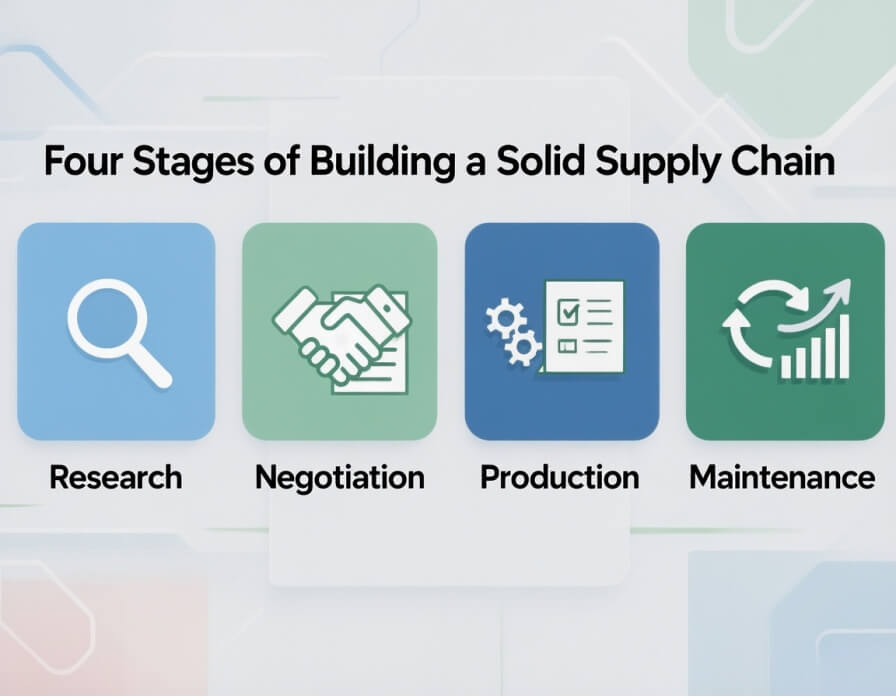
It All Starts With Detective Work, Not Just a Google Search
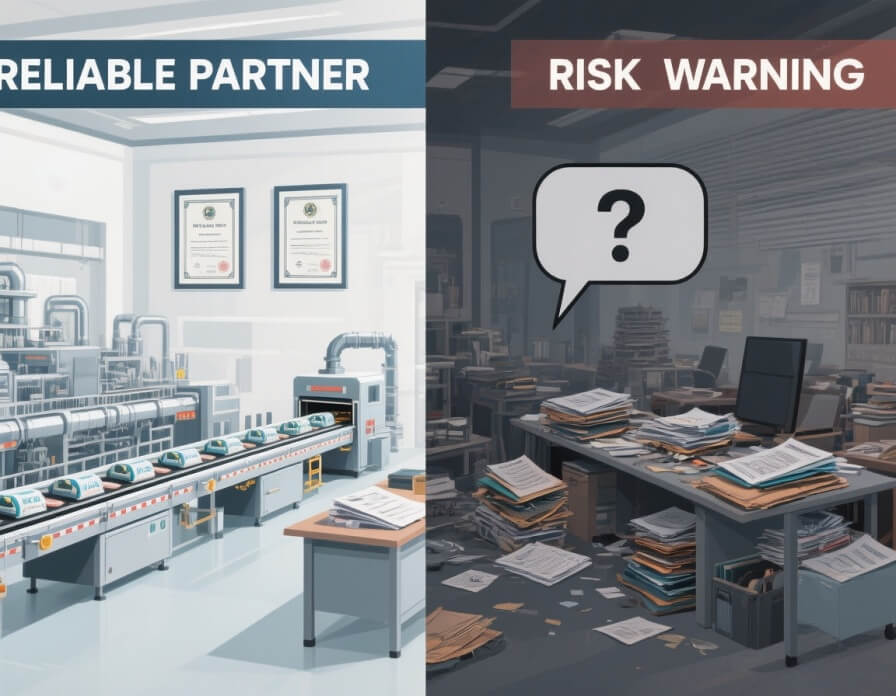
Before you even think about requesting a quote, you need to shift from a buyer’s mindset to an investigator’s. The online platforms are a starting point, sure. But a supplier’s glossy Alibaba page for hydro flask 40 oz lookalikes tells you what they want you to see. The real story is in the details they don’t automatically advertise.
We once worked with a client who was dazzled by a factory’s low quote for metal water bottles. The samples were perfect. But our basic due diligence—checking their business license scope and asking for a virtual factory tour—revealed a critical gap: they outsourced all their vacuum insulation technology. This meant zero control over the core function of a thermos water bottle. For us, that was an immediate red flag. The lesson? You must verify capability, not just claim.
This is where understanding product nuances becomes critical. Sourcing tea cups is vastly different from sourcing beer mugs. For ceramic tea cups, you’re deep in conversations about clay composition, glaze safety (meeting FDA or LFGB standards), and microwave/dishwasher durability. For beer mugs, the focus shifts to glass thickness, weight, handle ergonomics, and print durability for logos. Asking the right, specific questions immediately separates you from the crowd of tire-kickers and signals you’re a serious partner. Don’t just ask, “Can you make this?” Ask, “What grade of 304 stainless steel do you use for the inner wall, and can you provide the mill certificate?” or “What is your process for ensuring the lid seal on this 64 oz water bottle is leak-proof after 10,000 open/close cycles?”
Negotiating Beyond Price: The Art of the Strategic Deal
Alright, you’ve found a few promising partners. Now comes the dance. If your opening move is to hammer them on unit cost for those coffee thermos units, you’re already playing a short-term game. Successful wholesalers negotiate based on Total Cost of Ownership.
Let’s break that down. The unit price is one line item. You must also factor in:
- Tooling/Mold Costs (NRE):For custom OEM/ODM services, who owns the mold? This is a crucial point for future flexibility.
- Minimum Order Quantity (MOQ):Can you start with a pilot order? A factory willing to work on a lower MOQ for a new hydro flask tumbler design is often more flexible and eager to build a relationship.
- Payment Terms:The standard 30% deposit, 70% before shipment is common, but can you negotiate to 50/50 or even 30/70 for established trust? This dramatically affects your cash flow.
- Lead Time:A realistic, guaranteed production schedule is worth more than a rock-bottom price with an unreliable timeline.
The cornerstone of this phase is the contract. It shouldn’t be a simple purchase order. It needs to be a comprehensive document covering quality standards (we always reference AQL sampling levels for defects), intellectual property protection (vital for your custom designs), delivery penalties, and confidentiality. For products like smart water bottles, this contract must explicitly state who is responsible for securing necessary electronic certifications (FCC, CE, RoHS). I’ve found that a supplier’s willingness to engage seriously on a detailed contract is a strong indicator of their professionalism.
From Paper to Production: The Hands-On Management Phase
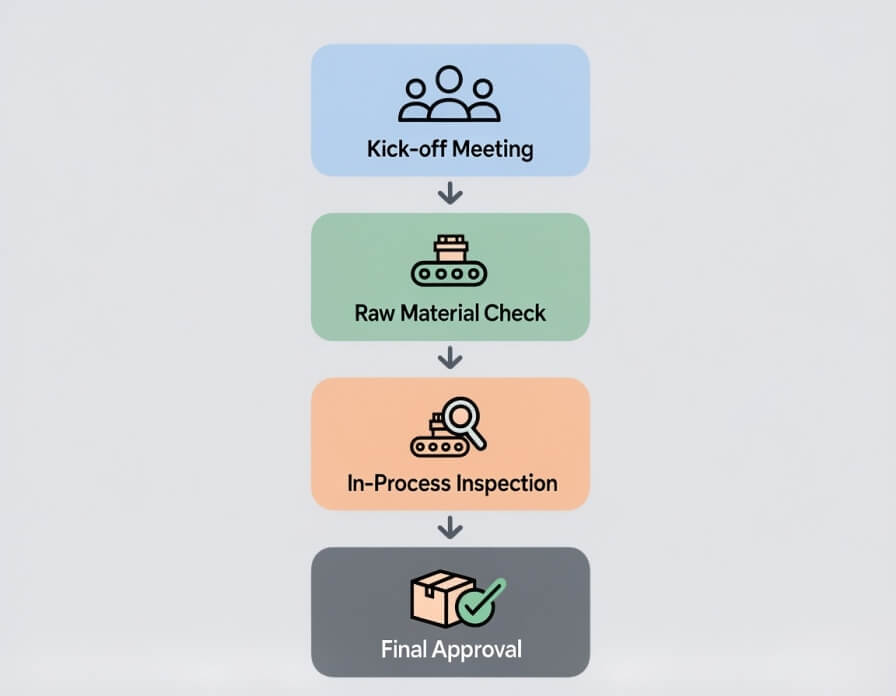
This is where the rubber meets the road. Signing the contract isn’t the finish line; it’s the starting gate for active management. The most common mistake is going silent after the deposit is paid.
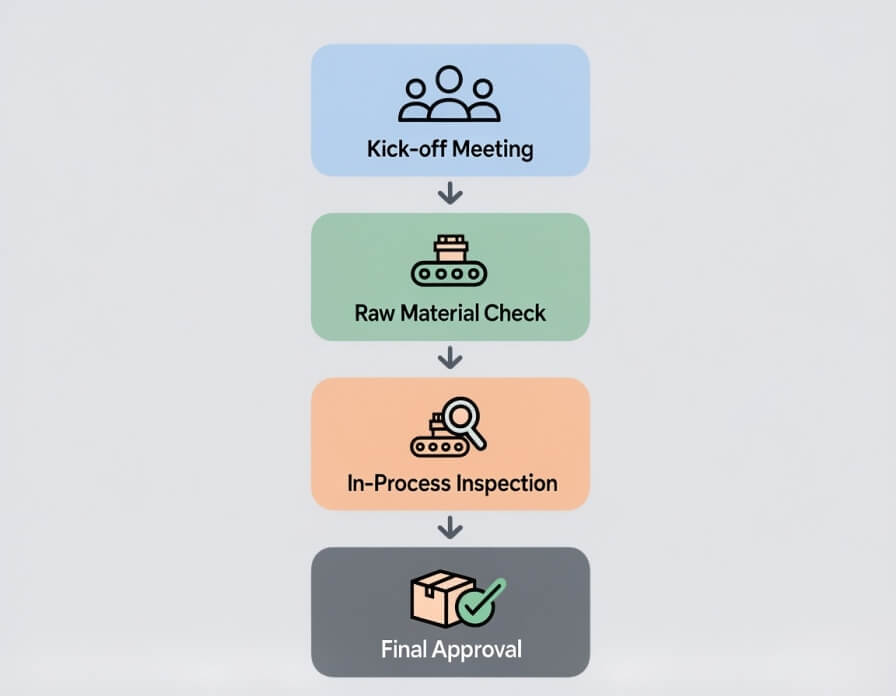
First, insist on a Pre-Production (PP) meeting. This can be a video call where you, the factory lead, and the production manager review every detail of the approved sample for your protein shaker bottles—the plastic type (ensuring it’s BPA-free), the thread design on the lid, the clarity of the measurement markings. Get everyone on the same page before raw materials hit the production floor.
Then, implement a structured inspection protocol. We never skip these checkpoints:
- Initial Production Check:When the first 5-10% of units are off the line. This catches major issues early.
- During Production Inspection (DPI):When about 30-50% of the order is complete. This checks consistency.
- Pre-Shipment Inspection (PSI):When 100% is packed and ready. This is your final gate.
For insulated water bottles, our inspectors don’t just look at them. They test them. They fill them with boiling water, measure the temperature 24 hours later, drop them (within reason) to test durability, and check the seal repeatedly. You’d be amazed how many “vacuum insulated” bottles fail their own spec. We use trusted local third-party agencies for this—it’s worth every penny.
Simultaneously, you’re managing logistics. Are you shipping a full container load (FCL) of sport water bottle pallets, or less-than-container load (LCL)? Your choice affects cost and timing. Partner with a reliable freight forwarder who demystifies Incoterms (are you doing FOB Shanghai or EXW factory?), handles customs documentation, and gives you real-time visibility. A good forwarder is a strategic asset, not just a vendor.
Cultivating the Partnership for the Long Haul
The final, and most overlooked, stage is what happens after the first successful shipment. Do you disappear until you need to reorder? The most successful wholesalers treat their top factories as strategic extensions of their own team.
This means providing constructive feedback. “The powder coating on the last batch of metal water bottles showed slight wear in our stress tests. Can we review the process?” It means sharing your sales forecasts for different lines, like coffee cups versus can coolers, so they can plan their raw material procurement. It means paying invoices promptly to build immense goodwill. When you do this, you’re no longer just a customer code in their system; you’re a partner.
This relationship becomes your primary risk management tool. When raw material prices for stainless steel spike, a strong partner will work with you on solutions rather than just imposing a surcharge. When you have a brilliant idea for a new smart water bottle feature, they’ll be more open to co-developing it. And critically, this trust allows for honest conversations about diversification—perhaps sourcing some of your more basic plastic water bottles from a secondary factory to mitigate risk, while keeping your flagship thermos water bottle line with your primary partner.
The landscape is always shifting. New regulations emerge, consumer trends evolve (like the push for recycled materials), and geopolitical factors play a role. Your supply chain can’t be a static list of suppliers; it must be a dynamic, managed network. Are you just placing orders, or are you building an ecosystem that fuels your growth?