Trading Company vs. Factory: The Sourcing Trap That Kills Small Brands in 2026
I was sitting in a windowless office in Yongkang last week, looking at a "Factory Manager" who insisted he owned the 10,000-square-meter facility below us. The air smelled of cutting oil, hot steel, and lukewarm green tea. But when I asked to see the polishing line, he hesitated. He didn't have the magnetic badge to the floor.
It turned out he didn't own the factory; he had a key to the gate. He was a "Ghost Manufacturer."
This is the reality of the 2026 China supply chain. In the drinkware industry—specifically stainless steel vacuum bottles—the "Manufacturer" tag on Alibaba has become a marketing mask. For B2B buyers at oemwaterbottle.com, the choice isn't just about who owns the machines; it’s about Risk Orchestration.
[Quick Take] The Sourcing Reality
- The Lie: 90% of "Manufacturers" on global platforms are actually service-heavy brokers masquerading as factories.
- The Risk: Large factories often "ghost" small brands the moment a Tier-1 order (like Stanley or Starbucks) arrives.
- The Solution: Audit the Control, not the Identity. Sometimes, a high-end trading company is your best defense against quality fade.
1. The Economic Mirage: Why "Factory Direct" Often Costs More
Most B2B buyers have a linear belief: Manufacturer = Lowest Price. In 2026, this is a dangerous delusion that ignores the hidden tax of Factory Inertia.
The Hidden Tax of Factory Inertia
A Tier-1 factory in Zhejiang with 500 workers has a fixed monthly burn rate—rent, utilities, and base salaries—of roughly $150,000 to $200,000 before a single piece of steel is stamped. To survive, they need Continuous Throughput.
- The C-Class Client Trap: If your order is 1,000 units, you are a "Filler." The moment a massive brand places a 100,000-unit order, your production line is paused.
- The Opportunity Cost: Your "factory-direct" price might be $4.20, but a 45-day delay in shipping costs you $5,000 in lost market momentum.
The Professional Orchestrator (The Scout)
A high-end trading company or "Supply Chain Orchestrator" operates on a lean model. They don't own the stamping machines, but they own the Priority.
- Aggregate Leverage: They aggregate orders from 20 clients. To the factory, the Orchestrator is a $5M annual account. To you, the factory is a vendor.
- The Result: You get Tier-1 priority through a Tier-3 order size.
2. Case Study 1: The "Ghost Factory" of Yongkang
In 2024, a boutique fitness brand from California flew to China to visit their "factory." They were greeted by a team of 50 workers, a clean assembly line, and a proud owner. They signed a $50,000 contract on the spot.
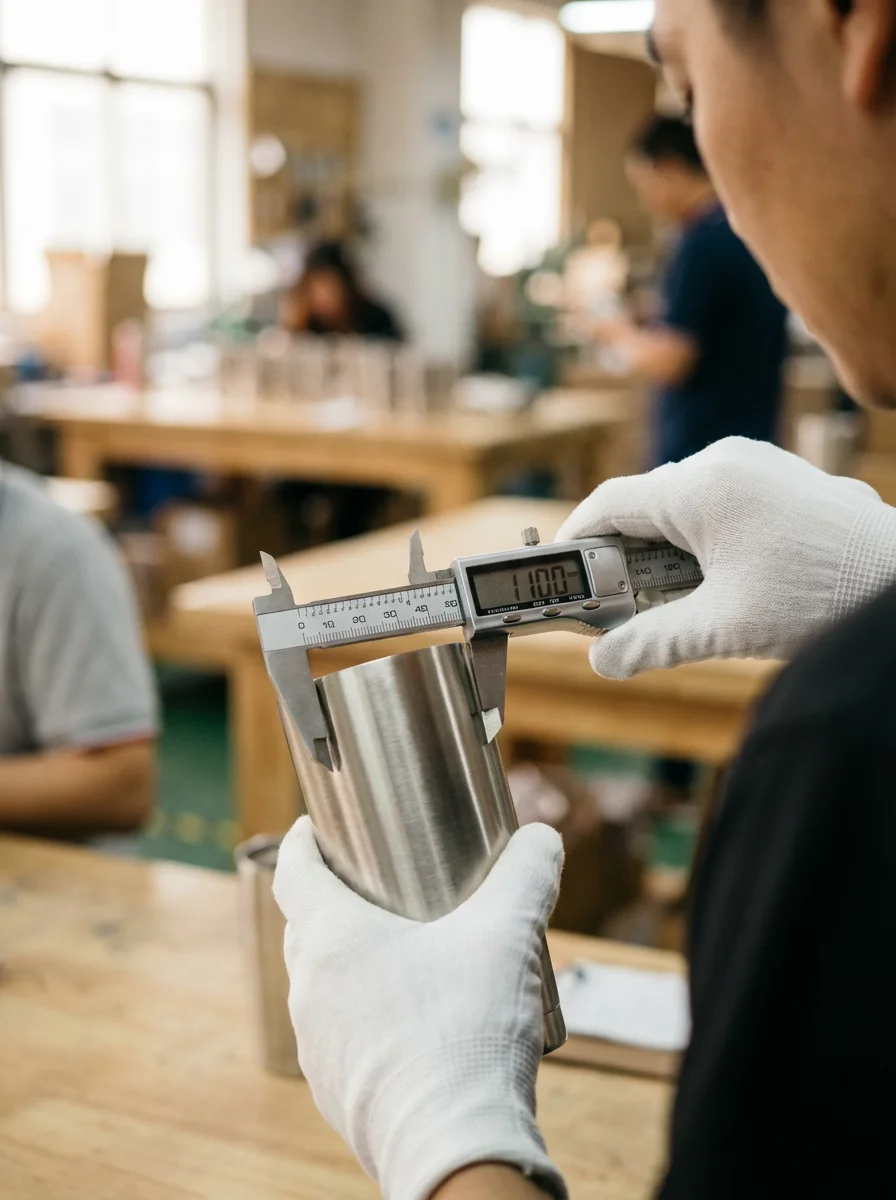
Three months later, the quality was disastrous. The "factory" stopped answering emails. When we investigated, we discovered that the "factory" was actually a rented space. The trading company had rented the assembly line and hired temporary actors for one day to impress the visitors.
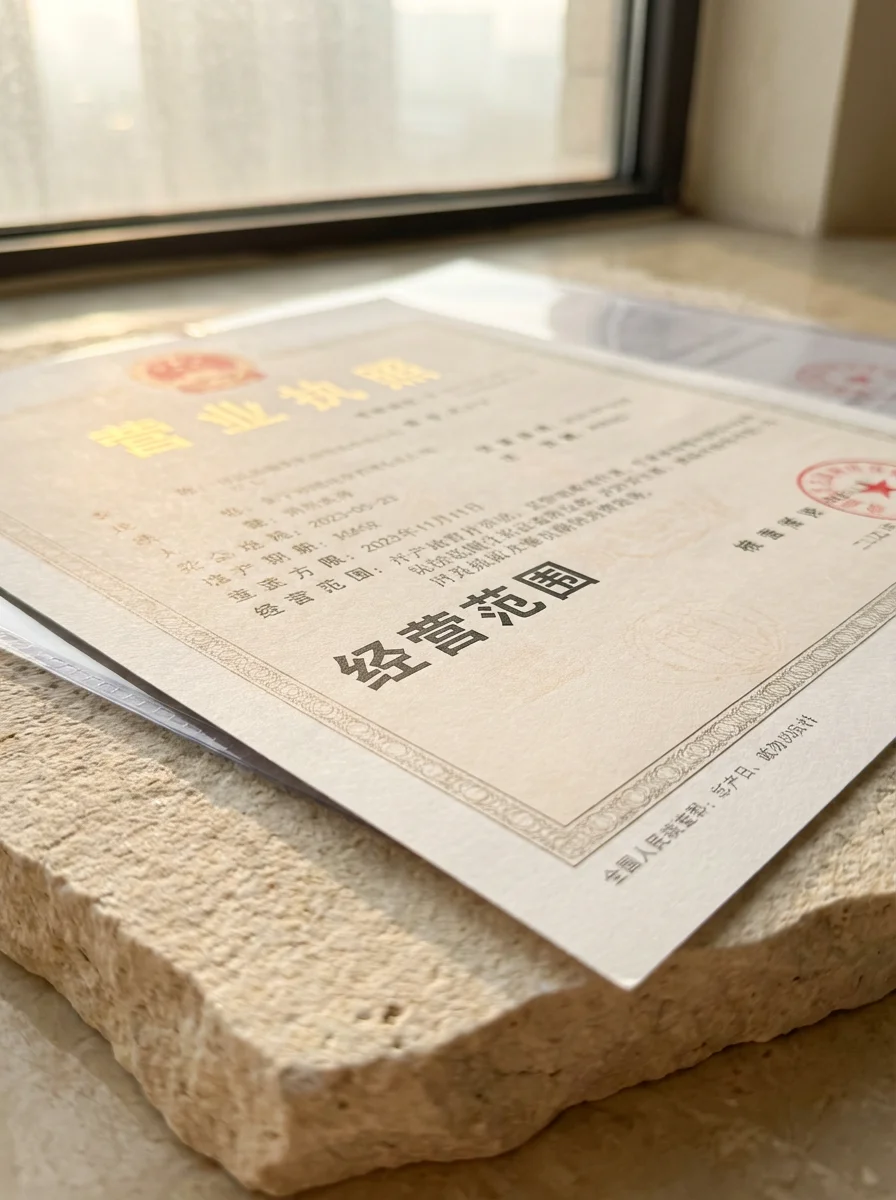
The Lesson: Physical presence does not equal ownership. You must audit the Business License (营业执照) and the Social Security Records to see who actually pays the workers.
3. 2026 Supply Chain Risk Hedging: Beyond the Transaction
In a world of fluctuating shipping costs and geopolitical shifts, "Sourcing" has evolved into "Risk Management." A factory sells you a product; a partner sells you Certainty.
3.1. The Multi-Factory Redundancy Strategy
A direct factory is a single point of failure. If their local power grid goes down or their main engineer quits, your production dies. A professional orchestrator maintains a Cloud-Factory Network. They distribute parts across multiple specialized facilities—one for stamping, one for vacuuming, one for coating. If one link breaks, they shift the volume in 24 hours.
3.2. Inventory Buffering & Financial Hedging
Top-tier trading partners now offer "Landed Cost Insurance." They help you hedge against steel price fluctuations by pre-purchasing raw material 6 months in advance. A factory rarely does this for small clients; they pass the price increase directly to you the moment the market shifts.
4. The 10-Point "Truth Audit" Checklist (B2B Nuclear Option)
Before you wire a single dollar to a "Manufacturer," run this technical audit. If they fail more than 3, you are dealing with a broker masquerading as a factory.
- Chinese Business License (营业执照) Decryption: Look for "经营范围" (Business Scope). If it says "生产" (Production) or "加工" (Processing), it's a factory.
- Verify Social Security Contribution: Ask for a redacted screenshot of their local tax portal. A factory with 200 workers must pay social security.
- Industrial Electricity & Water Consumption: Manufacturing stainless steel consumes massive amounts of power. Ask to see utility bills.
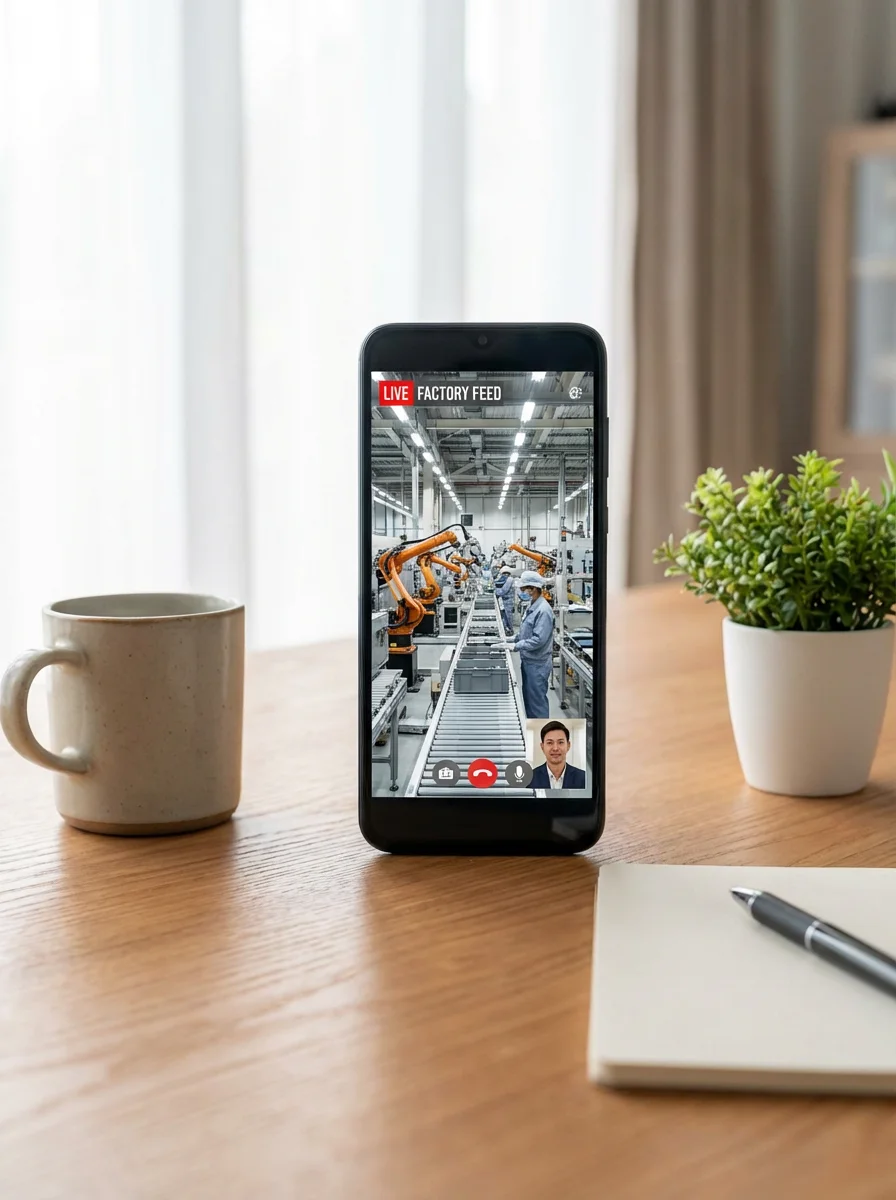
- The "One-Shot" Live Video Walkthrough: Call them on WeChat and ask to walk from the office to the production floor in one continuous shot.

Beyond checking the business scope (经营范围) for "Production" keywords, the most reliable method is a Technical Audit of Physical Assets. This includes verifying matching ISO/SGS certificates to the bank account name, auditing industrial electricity bills, and conducting a live video walkthrough that connects the office to the production floor in a single, unedited shot.
5. Technical Deep Dive: The Quality Gap in Coating & Plating
This is where the difference between a "Factory Mindset" and a "Trader Mindset" becomes visible. Let’s talk about Vacuum Plating vs. Spray Coating.

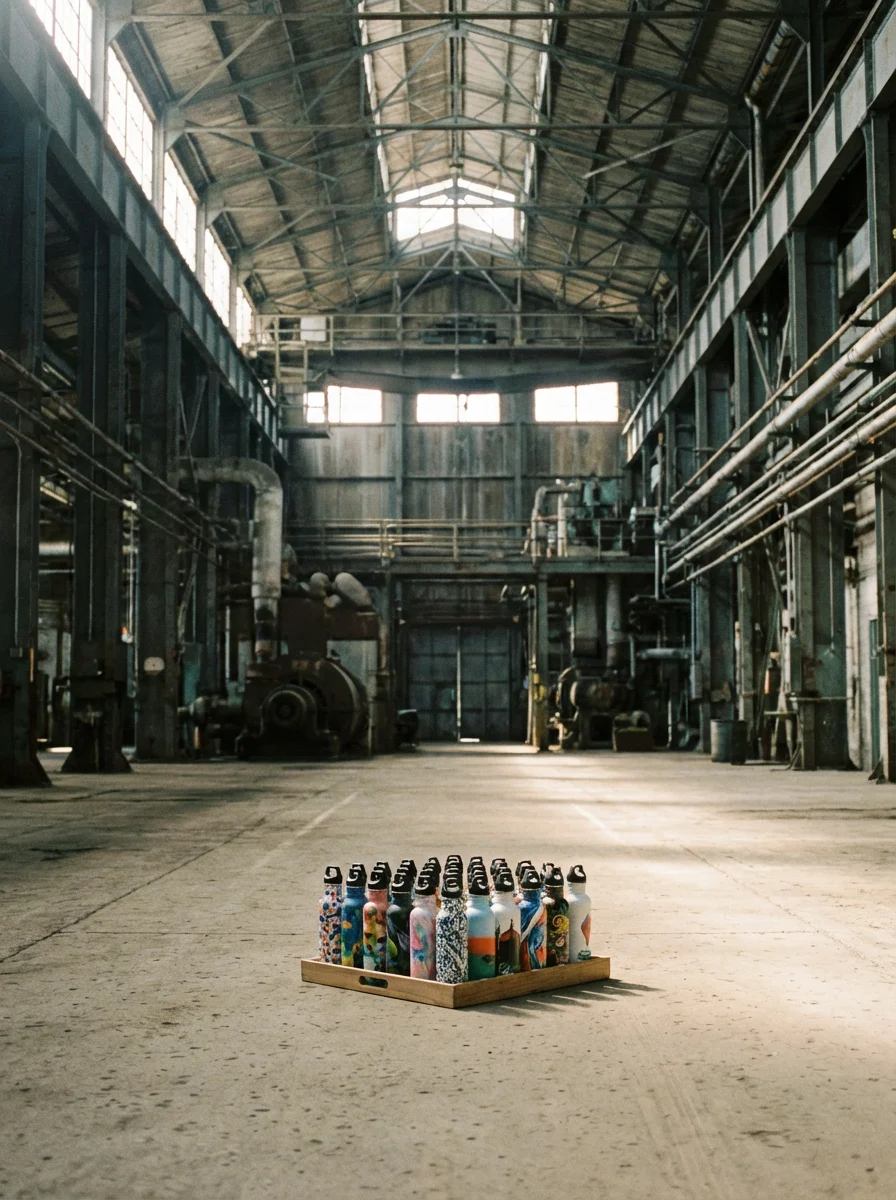
A factory's internal QC is often biased toward Speed. Our engineers at oemwaterbottle.com use high-intensity UV lighting to detect micro-bubbles that the factory "missed." We have the leverage to demand a re-coat because we handle volume for 20 other clients.
6. Case Study 2: The "Material Bait-and-Switch"
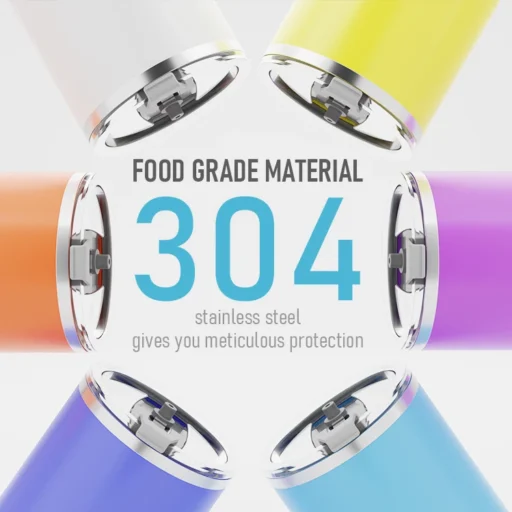
In 2023, a European distributor ordered 5,000 bottles from a "verified factory." When the bulk order arrived, the outer shell was 304, but the inner liner was 201 stainless steel. 201 steel is prone to rusting and is not FDA-compliant for long-term food contact.
The Lesson: A low price from a factory often hides a technical compromise. A professional trader audits the Raw Material Transaction Certificates (TC) before production begins.
7. Global Market Nuances: Middle East vs. North America vs. Europe
Sourcing isn't one-size-fits-all. A factory that excels in the Middle East might fail miserably in Europe.
7.1. North America: Performance & Compliance
Buyers in the US prioritize **Thermal Performance** and **FDA/LFGB Compliance**. They need 24-hour ice retention and lead-free solder.
7.2. Middle East: Luxury & Esthetics
In the UAE, the demand is for **Visual Opulence** (electroplating Gold, Copper). Sourcing here requires connections to specialized plating shops.
7.3. Europe: Sustainability & ESG
European buyers demand full transparency on the carbon footprint. We provide the **Carbon Audit Trail** from the steel mill to the port.
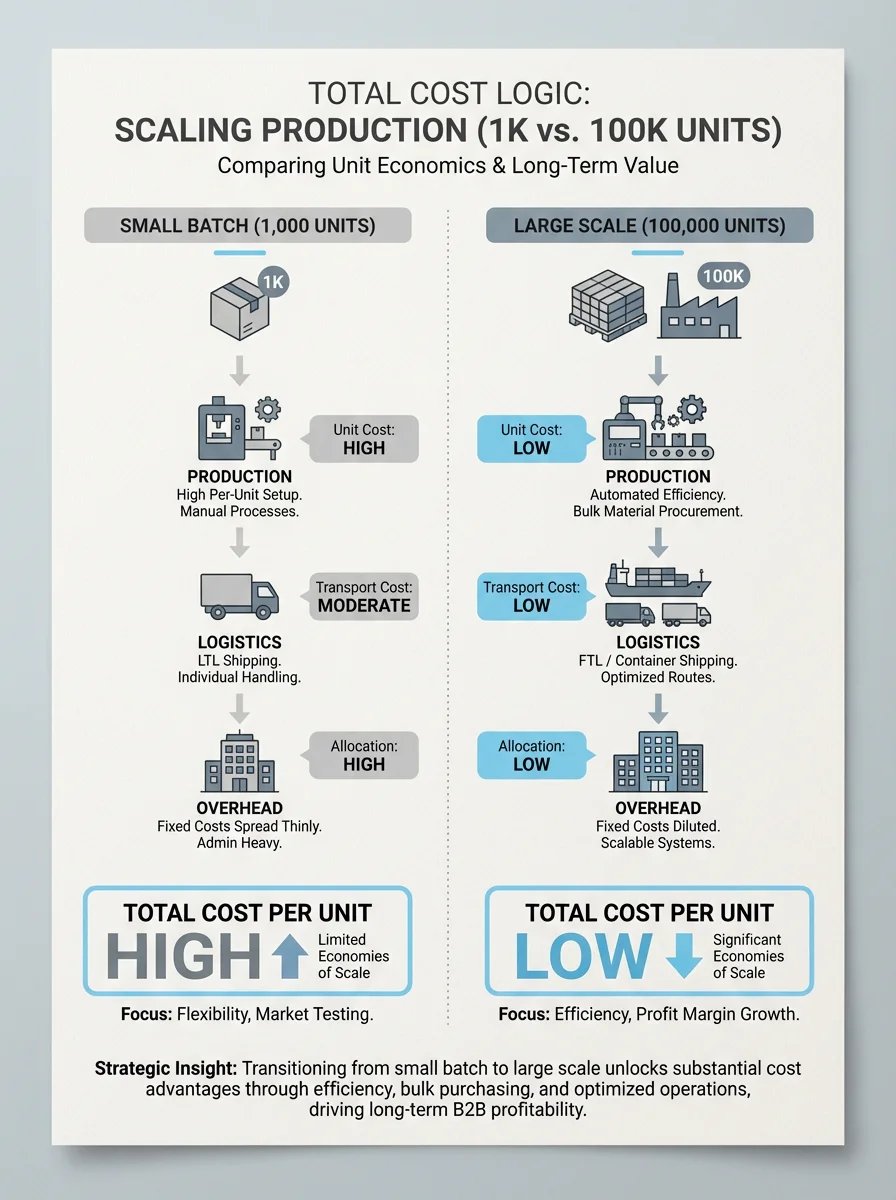
8. 2026 Profit Model: 1,000 vs. 100,000 Units
| Order Size | Mode | Unit Price | Lead Time | QC Risk | Best Choice |
|---|---|---|---|---|---|
| 1,000 Units | Factory Direct | $4.20 | 45-60 Days | High (Low Priority) | Orchestrator |
| 1,000 Units | Trading Co | $4.70 | 30 Days | Low (Pre-Inspected) | Orchestrator |
| 50,000 Units | Factory Direct | $3.85 | 35 Days | Low (High Priority) | Direct Factory |
It depends on your Scale and Internal Engineering Capacity. For orders below 3,000 units requiring high-touch communication and independent QC oversight, a Supply Chain Orchestrator is safer. For 10,000+ units, Direct Factory Sourcing offers better unit cost efficiency.
9. Conclusion: Choose the Partner, Not the Building
At oemwaterbottle.com, we provide **Supply Chain Insurance**. We audit the factories so you don't have to. We test the steel so your customers don't have to.