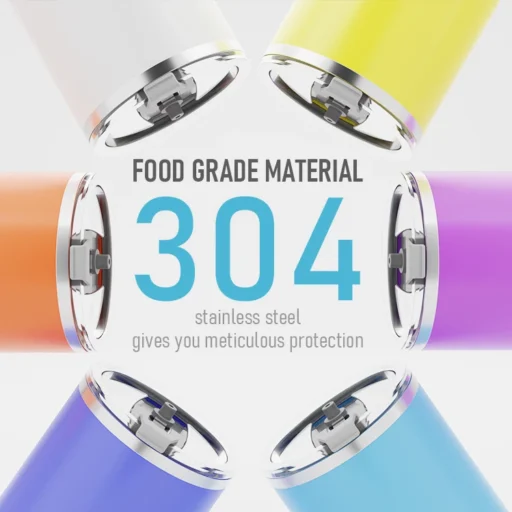
The global sourcing landscape is evolving. For B2B importers in 2026, "good enough" quality is no longer a sustainable strategy—it's a brand-killer. With shifting trade policies, our US Tariff Survival Guide is now a critical resource for importers. This guide breaks down the mandatory technical audit standards you need to demand from your Eco-Friendly Stainless Steel Drinkware factory to ensure long-term margin protection and consumer safety.
D5 Audit Snapshot: QA 4.0 Standards
- XRF Material DNA: We scan raw steel coils before production to verify Chromium/Nickel levels—no more blind trust in certificates.
- Thermal Drift Brutality: 24-hour heat retention tests replace the standard 6-hour checks to ensure lifetime vacuum integrity.
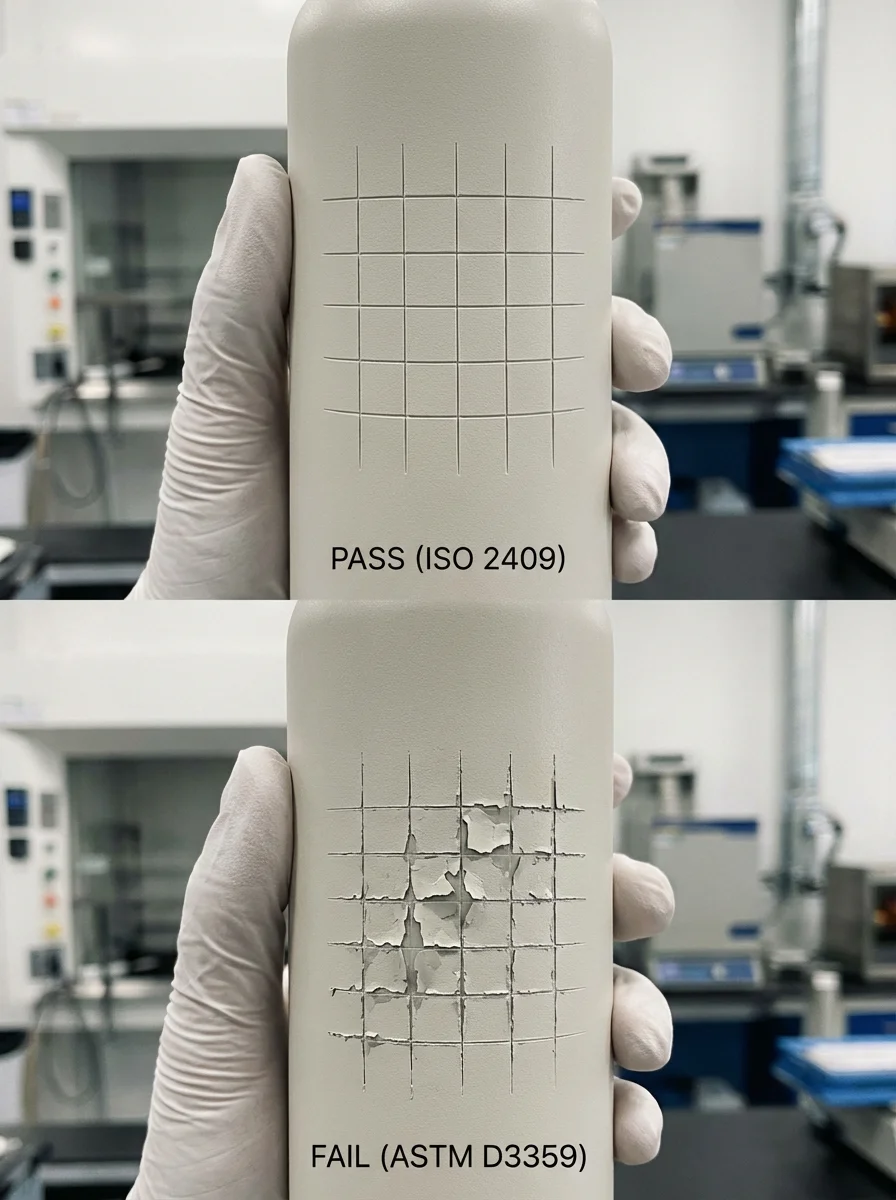
- Cross-Hatch Adhesion: ISO 2409 grid tests ensure powder coatings won't peel, protecting your corporate gifting reputation.
- DPP Transparency: Every bottle carries a Digital Product Passport for full traceability and EU/US regulatory compliance.
1. The High Cost of "Good Enough": Why 2024 Standards Fail in 2026
If you’re a B2B sourcing manager, you’ve probably had that sick feeling in your gut when a shipment of 5,000 "premium" bottles hits the warehouse, only for the first ten you pull out to have a slight rattle or a coating that feels like it’ll peel off. In the high-stakes world of 2026, "good enough" isn't just a quality risk—it’s a brand-killer.
The factory floor in 2026 is a different beast. As we move into complex materials like rSteel (see our rSteel Sourcing Guide) and Bio-composites, the margin for error has basically vanished. You can't just wave a PDF certificate and call it a day anymore. You need to understand the actual physics of what you’re buying, or you’re going to be left holding a container full of scrap.
2. Breaking Down the 2026 Audit (QA 4.0)
I'm tired of seeing the same old generic QC checklists. We’ve moved to something we call QA 4.0. It’s not just a fancy name; it’s a multi-layered system that combines raw chemistry with what we call "Stress-Life" testing.
2.1 Why We Don't Trust Certificates: The XRF Reality
Here's the kicker: you can't tell the difference between 304 and 316 steel (compliant with ASTM Stainless Steel Standards) just by looking at the polish. And when it comes to "recycled" steel? The paper trail is often as reliable as a three-dollar watch. In 2026, we don't play that game. We start our audits with XRF (X-ray Fluorescence) Spectroscopy. We scan the raw metal coils before they ever get near a press. If the Chromium or Nickel levels are off by even a tiny bit, the whole lot goes back.
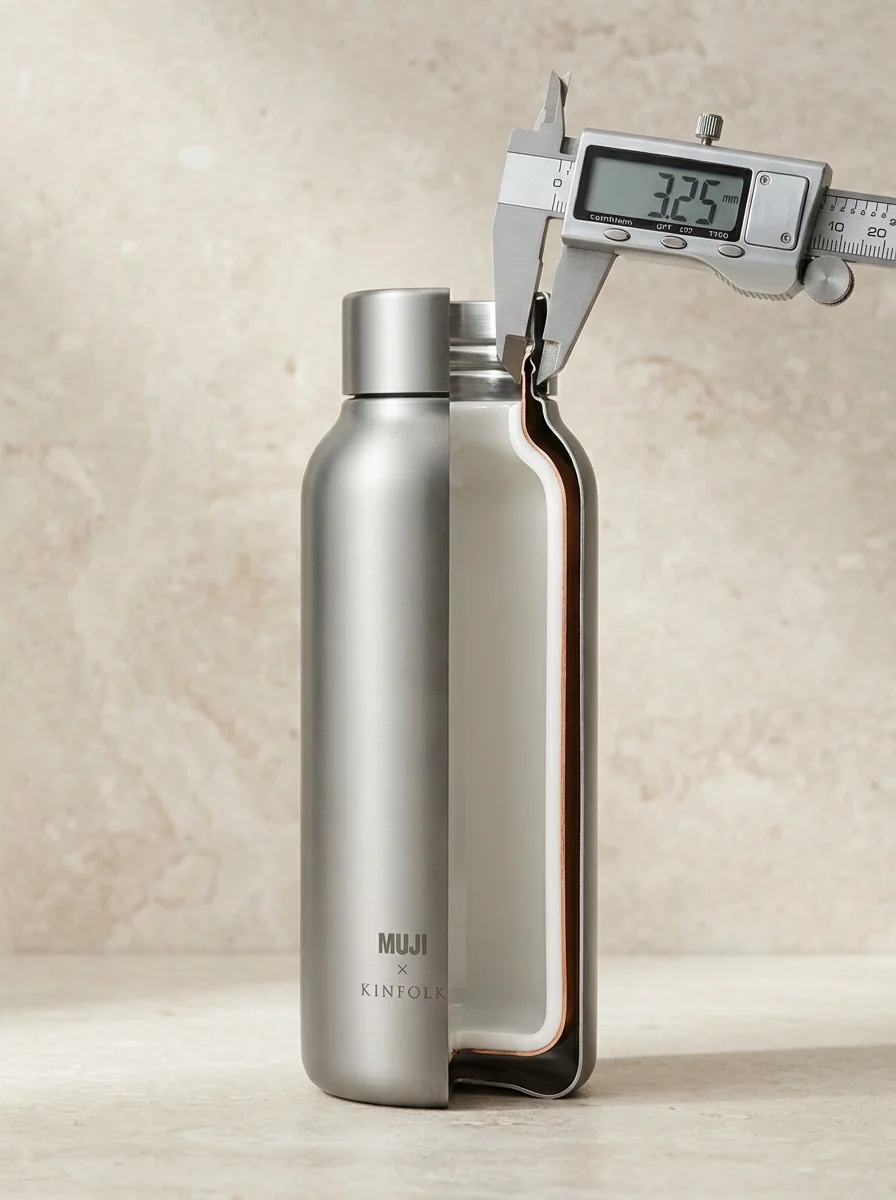
Figure 1: Real-time XRF scanning of rSteel coils. In 2026, we don't trust the invoice; we trust the spectrum.
3. The Physics of Cold: Why Most Vacuum Seals Fail
The "vacuum" in your bottle is actually a pretty fragile thing. One tiny, invisible pinhole in the weld—something you’d never see without a microscope—can turn a premium flask into a paperweight in six months. Our 2026 audits use a 24-Hour Thermal Drift Analysis. We fill 'em with 98°C water and lock 'em in a room at 20°C. If that external shell warms up by even 1 degree in the first few hours, it’s a fail.
4. Coating Durability: Why "Pretty" Isn't Enough
Everyone in 2026 is talking about "powder coating." But there’s a massive gap between a coating that’s actually bonded at 180°C and one that’s just "good enough" for the showroom. Our audit teams use the ISO 2409 Cross-Hatch Adhesion Test. We literally carve a grid into the coating, slap on some industrial adhesive tape, and yank it off.
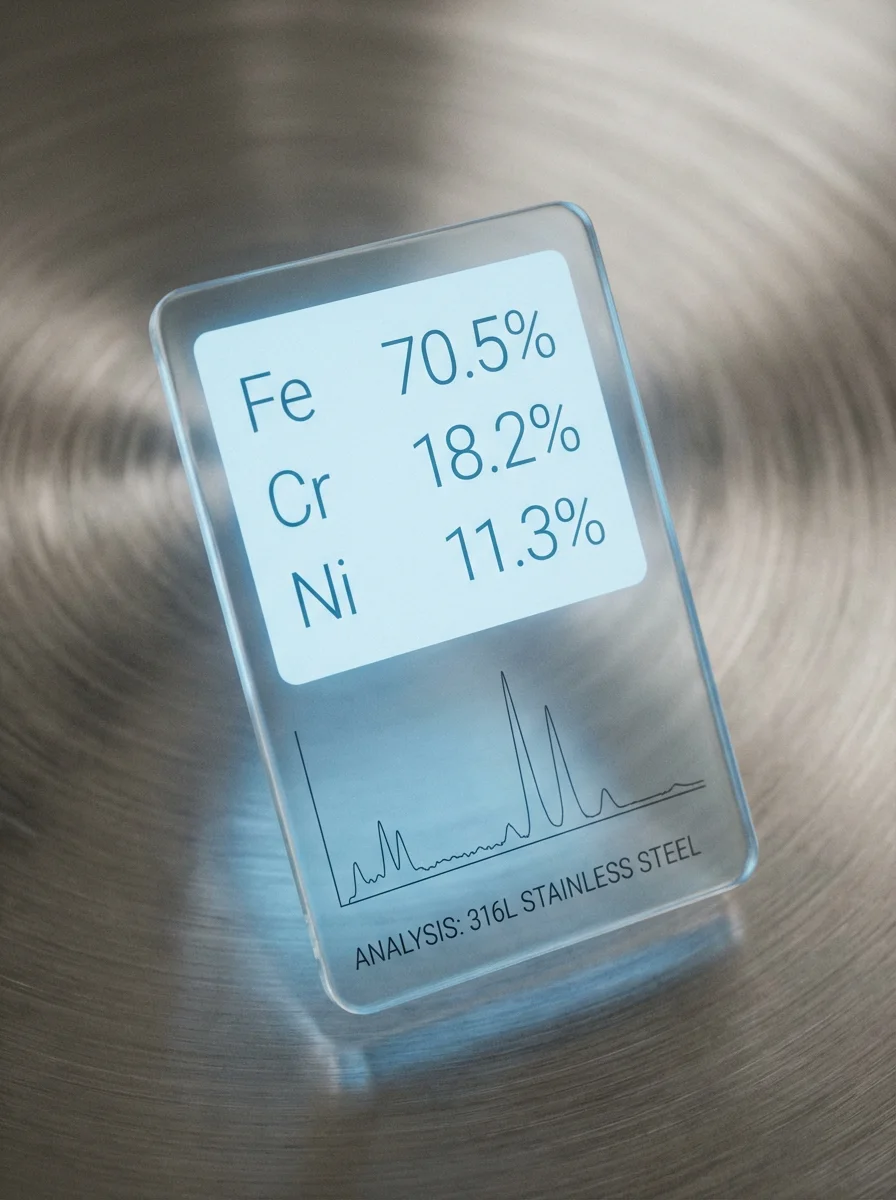
Figure 2: Micro-view of a successful Cross-hatch test. Zero delamination at the edges—this is the 2026 standard for B2B durability and current Design Trends.
5. Auditing the "Brain": IoT and Electronic Reliability
When you’re sourcing smart bottles with IoT caps, your audit just got ten times harder. You aren't just buying steel; you’re buying consumer electronics. The OLED display on our 2026 caps is built for 10,000 cycles. We actually use a robotic finger to tap those caps for two days straight to make sure the sensor doesn't start to drift. For B2B buyers, a high failure rate in electronics is a legal nightmare.
6. The "Transparency" Trap: Digital Product Passports (DPP)
In 2026, every single bottle that leaves our facility has its own Digital Product Passport (DPP). This isn't just a marketing gimmick; it's a laser-etched QR code on the base that tells the product's entire life story:
- XRF Material Signature: Chemical proof of steel purity.
- LCA Assessment: Carbon footprint data verified by third parties like SGS Quality Audits.
- DPP Traceability: Mandatory for 2026 EU/US market entry.
2026 B2B Technical Audit Checklist
| Audit Point | Old Standard | 2026 V4.0 Requirement |
|---|---|---|
| Material Verification | Paper Certificate | Raw XRF Spectral Data |
| Vacuum Integrity | 6-Hour Heat Check | 24-Hour Thermal Drift |
| Coating Adhesion | Visual Inspection | ISO 2409 Cross-Hatch Test |
| Traceability | Batch Number | Digital Product Passport (QR) |
Protect Your Brand with Technical Certainty
Don't settle for "good enough." Demand the 2026 Technical Audit standard for your next wholesale order.
Request a Technical Audit Report