Description
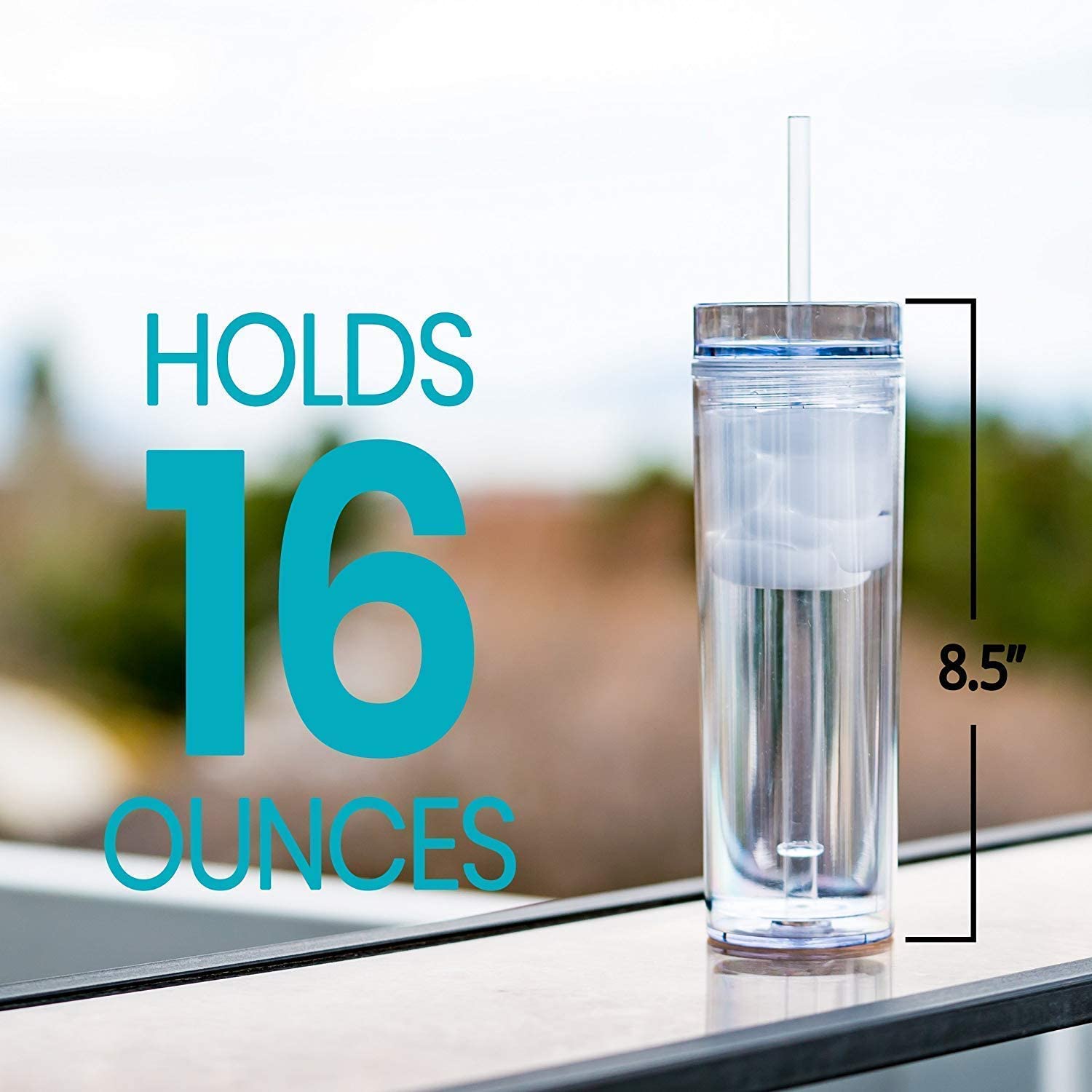
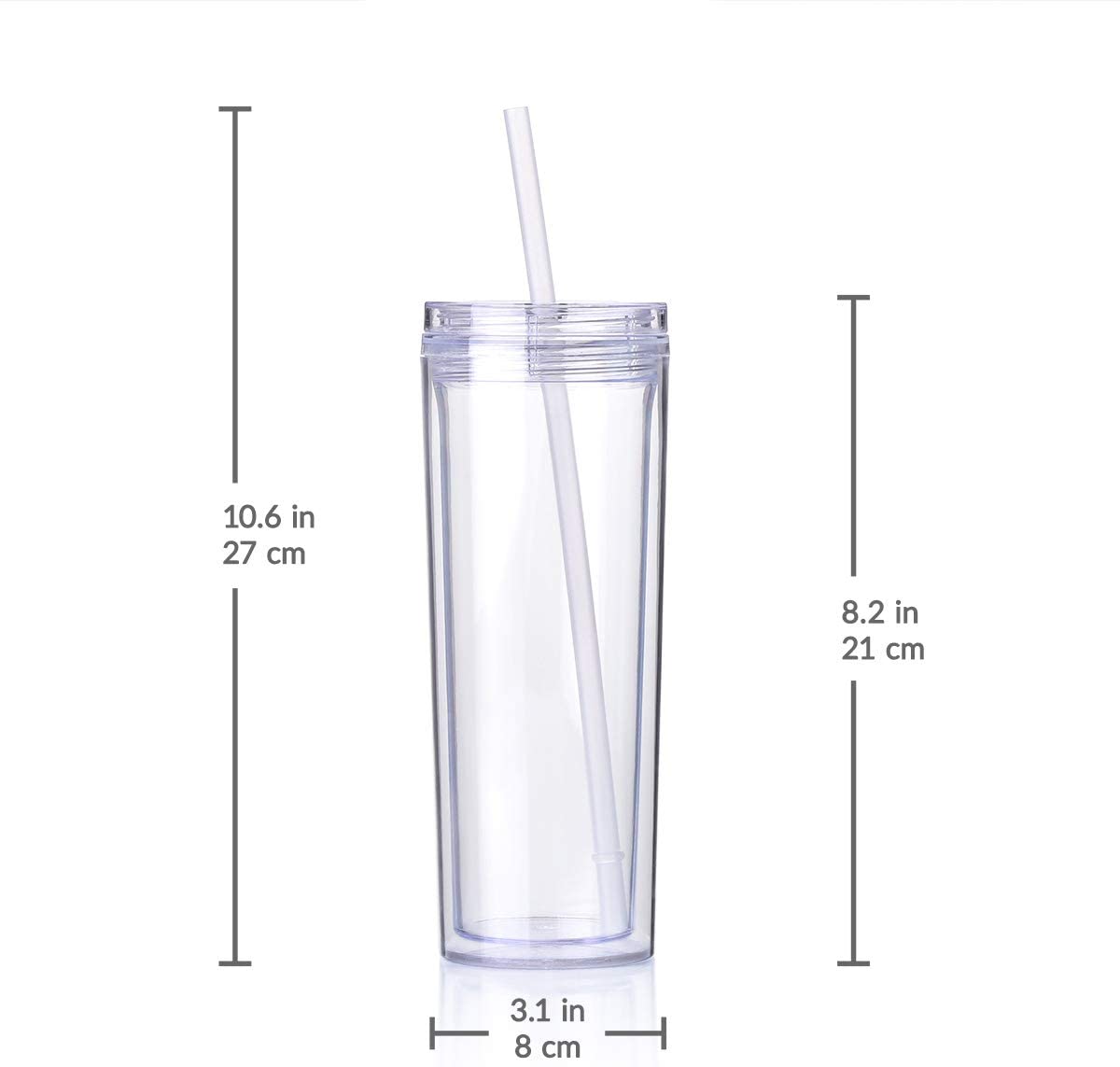
Custom 16oz Party Clear Skinny Tumbler
A clear skinny tumbler is sold on looks. The buyer sees the drink through the wall, the shape reads as modern, and the decoration sits under the surface where it cannot peel. The trade-off is that everything hidden in an opaque cup becomes visible here: flow lines, gate marks, bubbles, and the seam where two mould halves meet.
Transparent moulding has no margin for error
In an opaque body a small flow line is invisible. In a clear body it becomes a bright streak that catches light. The same applies to weld lines where melt fronts meet, and to gate marks at the injection point.
Three controls reduce these defects: gate placement away from the visible face, higher mould temperature to keep the melt front moving, and slower injection at the end of fill so the packing stage does not create stress marks. All three add cycle time, which is why clear cups cost more per unit than opaque ones of the same wall thickness.
Ask for a sample under a point light source, not under diffuse office lighting. Most clarity defects only appear under directional light.
Which resin, and what it does to the price
AS gives the best clarity and the highest cost. PETG is tougher and cheaper but slightly less brilliant and more prone to scratching in service. PC has been largely abandoned in drinkware because of the BPA conversation, even where the specific grade is compliant.
For a party cup with a short service life, AS is usually the right answer. For a reusable item that travels, PETG survives better. Decide based on how many times the buyer expects it to be used, not on the material’s specification sheet.
Double wall means two moulds and an assembly step
A double-wall clear tumbler is two moulded shells joined at the rim. The join is either a press fit with adhesive or an ultrasonic weld. Ultrasonic welding gives a cleaner line and a stronger bond; adhesive is cheaper but shows a faint ring where the two shells meet.
Check the rim joint on the sample by looking through the wall at the seam. On a clear product every internal detail is on display.
Decoration under the wall
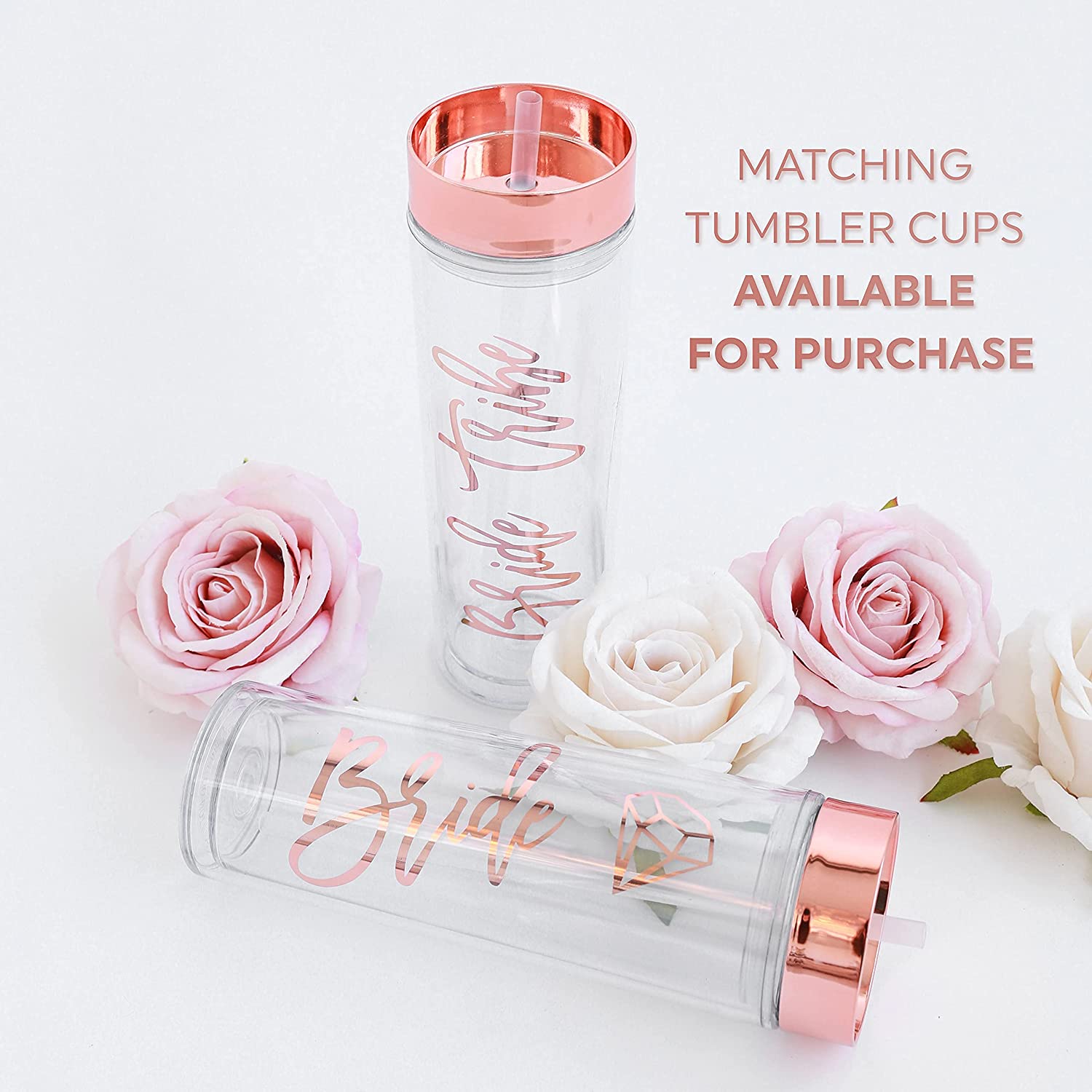
The reason clear cups are popular for custom programs is that decoration can sit on the inner shell, protected by the outer wall. The print is visible but cannot be scratched or washed off. This is genuinely more durable than surface printing.
The constraint is registration. Artwork printed on the inner shell is viewed through a curved outer wall, so the apparent position shifts. Design with generous margins and avoid artwork that must align precisely with the rim.
Condensation, honestly
An air gap between the shells reduces condensation but does not eliminate it on a hot day with a cold drink. If the program promises a sweat-free cup, that promise will be tested. Position the product on looks and durability rather than on performance claims it cannot keep.
Checks before the PO
- Resin grade with a light transmission reference sample
- Rim joint method: ultrasonic or adhesive
- Inner-shell print with registration tolerance
- Point-light inspection standard for flow lines and weld marks
- Lid fit and seal after ten open-close cycles
- Scratch resistance expectation stated for the chosen resin
Approve clarity under directional light and approve the seam by looking through the wall. Those two checks catch most of what goes wrong on this product.