Description
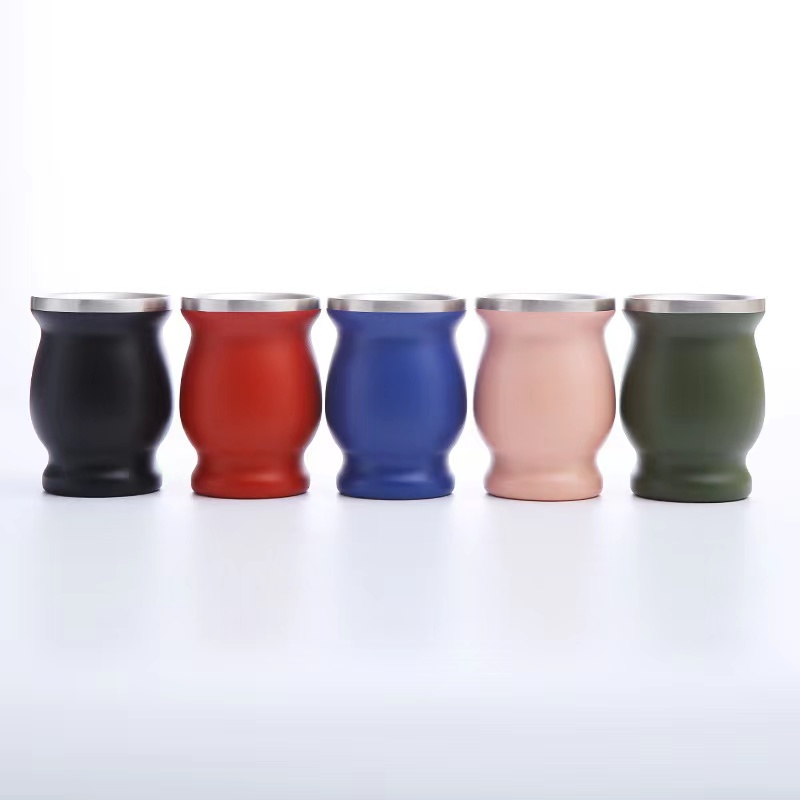
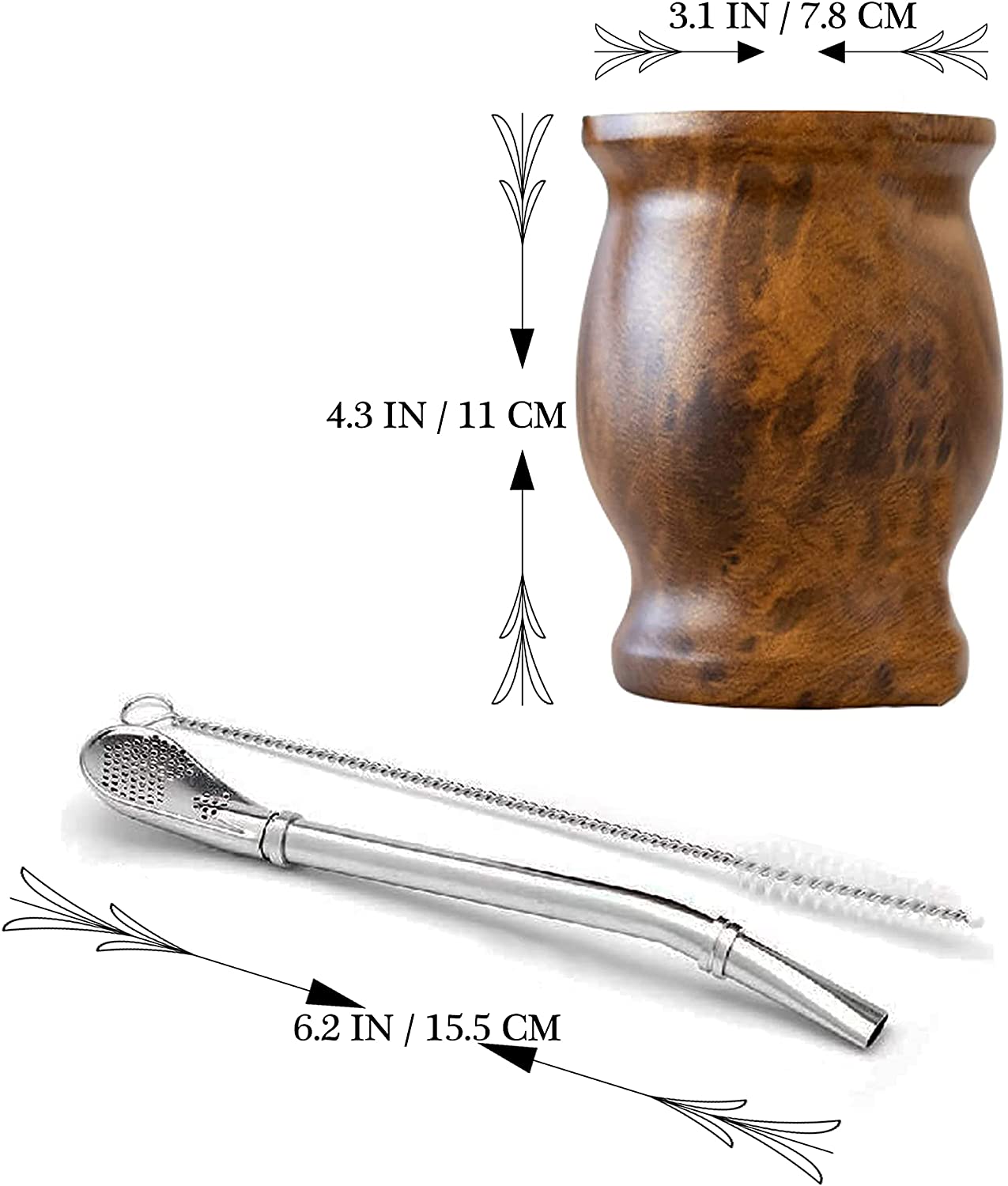
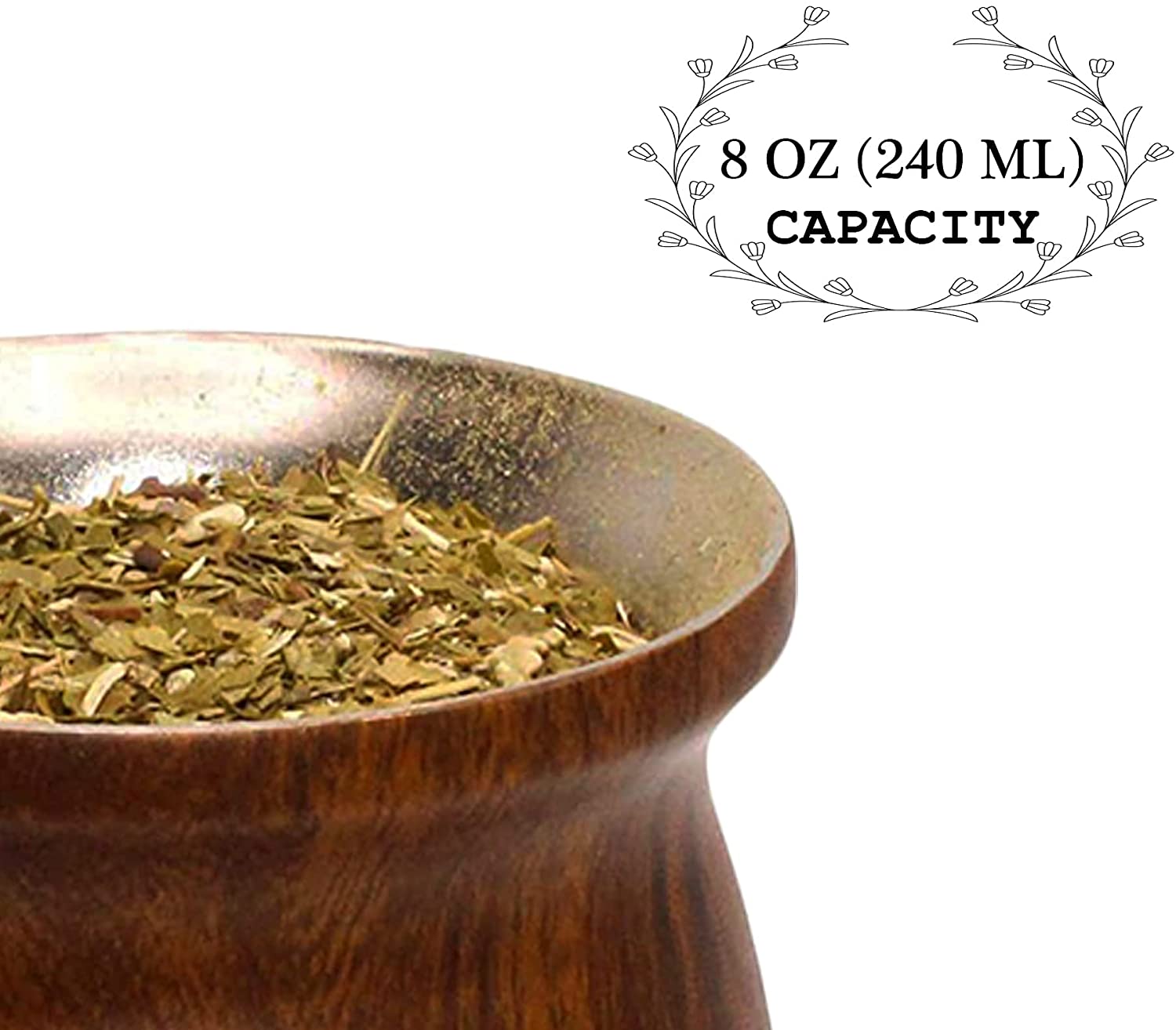
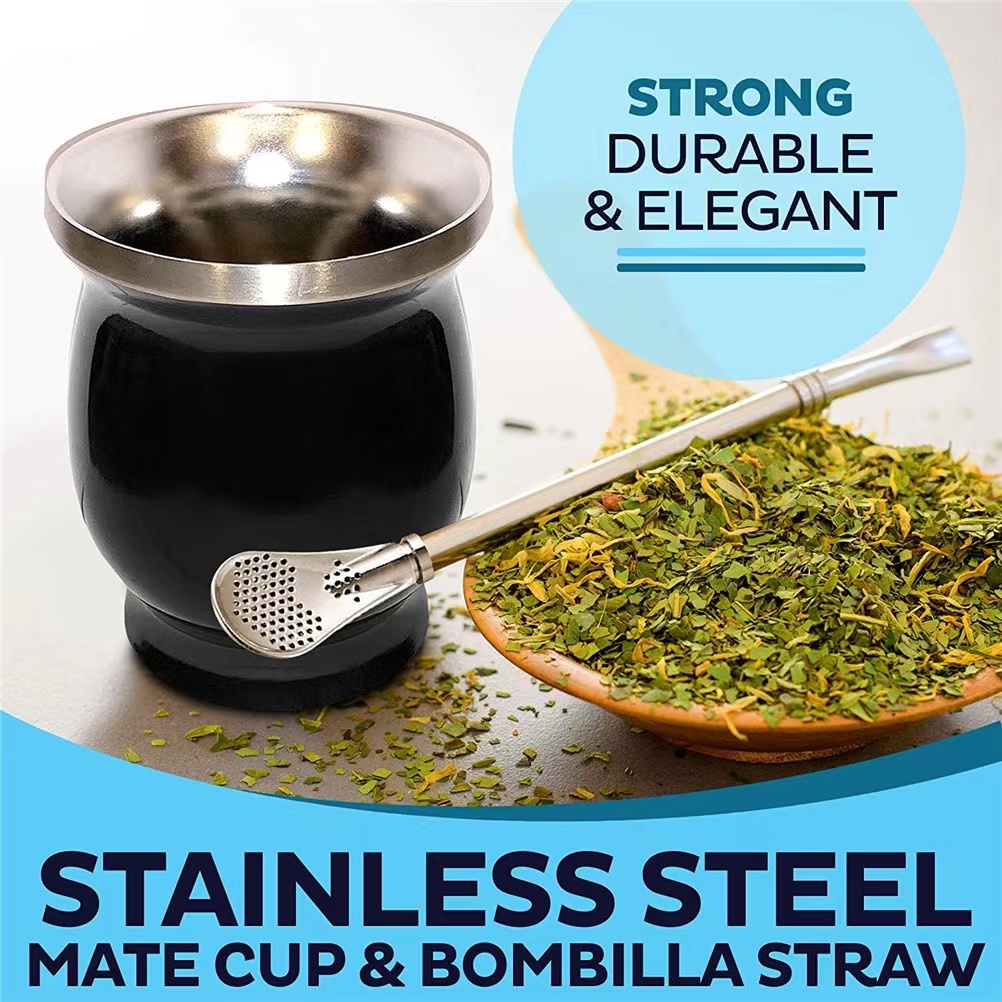
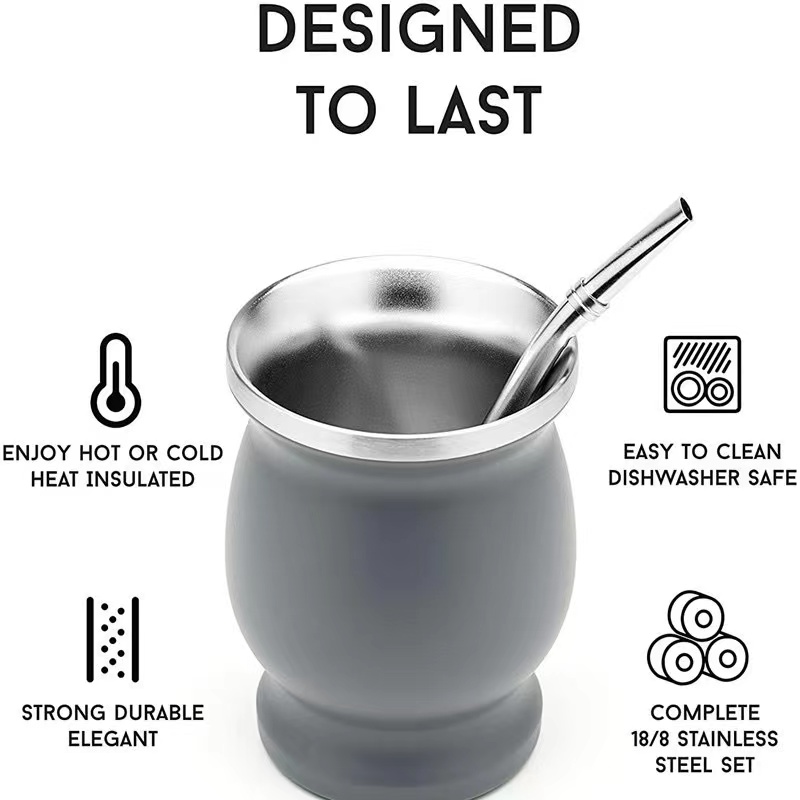
Custom 8oz 304 Stainless Steel Gourd Mate Cup
The gourd-shaped mate cup is a regional product with a specific use pattern: loose yerba mate leaves sit in the bowl, a metal straw called a bombilla draws liquid from the bottom, and the drinker refills repeatedly from a shared thermos. That pattern sets unusual requirements — the interior has to tolerate repeated wet-dry cycles, the rim has to accept a bombilla without chipping, and the shape has to be comfortable to hold in one hand for long periods.
Why the shape is not decorative
A traditional mate gourd is a dried calabash. The stainless version reproduces the silhouette because users hold it the same way and expect the same balance. The narrow waist sits between the fingers, the wide base rests on the palm, and the opening is wide enough to admit a spoon for measuring leaves.
Forming that silhouette in 304 requires deep drawing with a progressive die, or spinning. Deep drawing gives a more consistent wall and a cleaner interior; spinning is cheaper for small volumes but leaves wall thickness variation that shows up as uneven temperature feel.
The interior is the hard part
Mate is drunk at around 70 to 80 degrees Celsius and the cup is refilled many times in a session. The interior goes through wet and dry cycles repeatedly, which is a more aggressive pattern than a water bottle sees.
Two consequences. First, the interior must be passivated, not merely polished, so the chromium oxide layer is intact across the whole wetted surface. Second, the base weld needs full penetration — a partially welded base traps moisture and starts pitting from the inside, where the user cannot see it.
Ask for the passivation method and the base weld inspection method. On this product the failure is invisible until it becomes a pinhole.
Rim geometry for the bombilla
A bombilla is a rigid stainless tube with a weighted filter end. It is inserted and removed many times per session, and it contacts the rim at a shallow angle. A thin rim edge will chip coating or deform under that repeated contact.
Specify a rolled rim or a thickened edge, and leave the top 8 to 10 millimetres uncoated. Coating at the rim wears away quickly and the resulting edge looks damaged even though the steel is fine.
Insulation expectation, set correctly
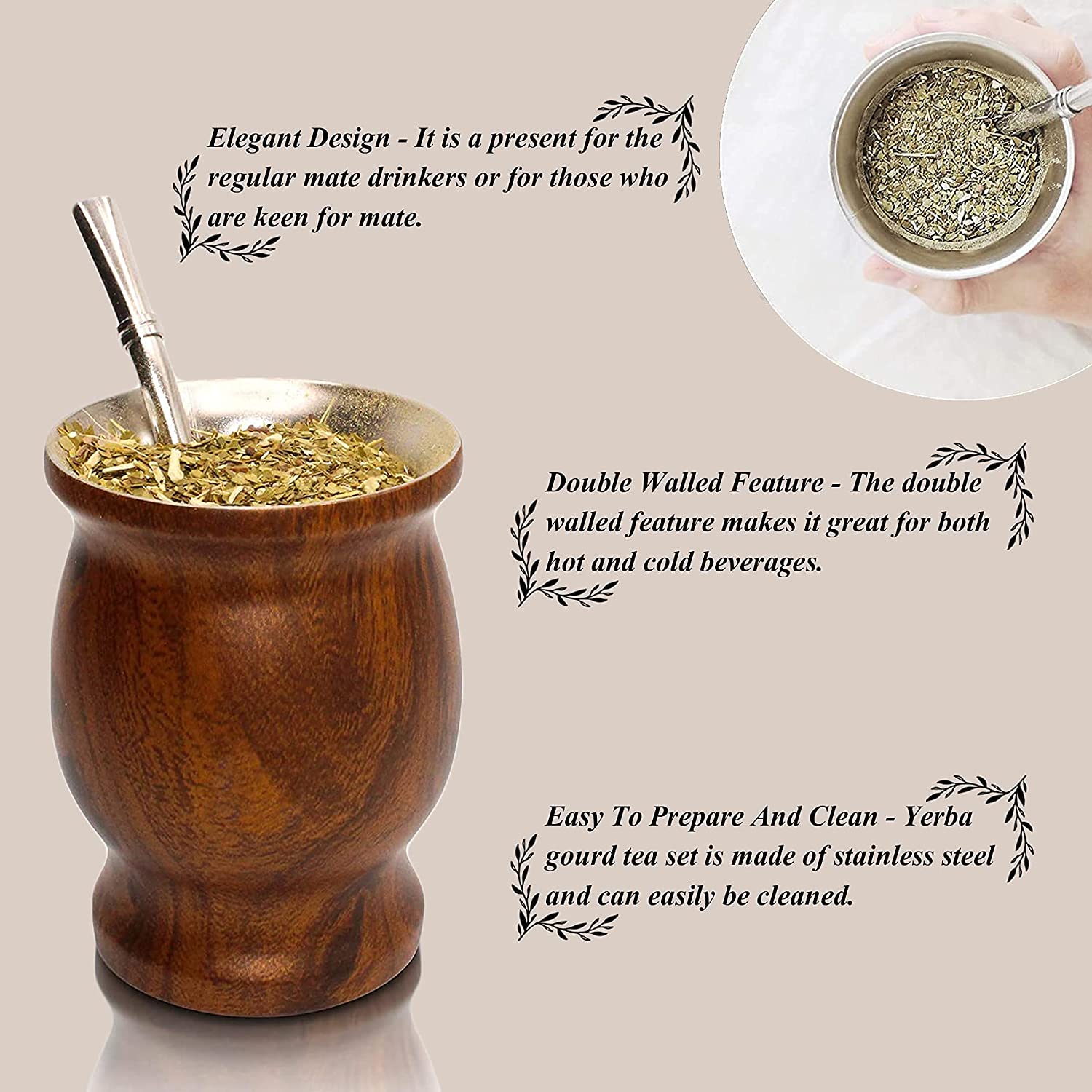
Traditional mate drinkers do not expect a vacuum vessel. The gourd is normally single-wall. A double-wall version keeps the hand comfortable and slows heat loss, but it also changes the feel and the weight, which long-time users notice.
Offer both, and let the market decide. For export to buyers who are introducing mate to a new audience, double-wall is the easier sell. For buyers serving traditional users, single-wall with a leather or silicone sleeve is closer to what the user expects.
Sleeve and accessory options
The sleeve is part of the product. Leather, silicone and felt are all used, and each changes the tooling and the minimum order. A silicone sleeve needs a mould; a leather sleeve needs a cutting die and stitching. Both add a separate supplier to the critical path.
Confirm whether the sleeve is included in the quoted price before comparing suppliers. It is a common source of apples-to-oranges quotes on this category.
Specification checklist
- Forming method and wall thickness tolerance
- Interior passivation method and verification
- Base weld penetration and inspection method
- Rim type and uncoated band height
- Single-wall or double-wall configuration
- Sleeve material, tooling and MOQ, stated separately
Ship a sample to a user who already drinks mate before approving the run. The balance and rim feel are judged by hand, and neither shows up in a specification.
Ordering & lead time
| Minimum order quantity | 100 pcs per SKU |
| Sampling lead time | 3 days |
| Production lead time | 7 days |
| Monthly capacity | 100,000 pcs |
Lead times apply to existing tooling and standard colours. New mould development or custom colour matching carries its own schedule — confirm before committing to a delivery date.