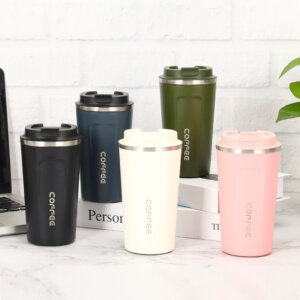
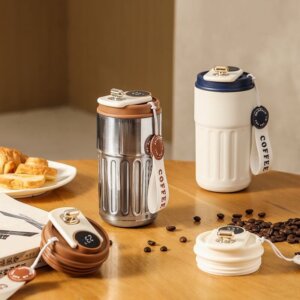
Description
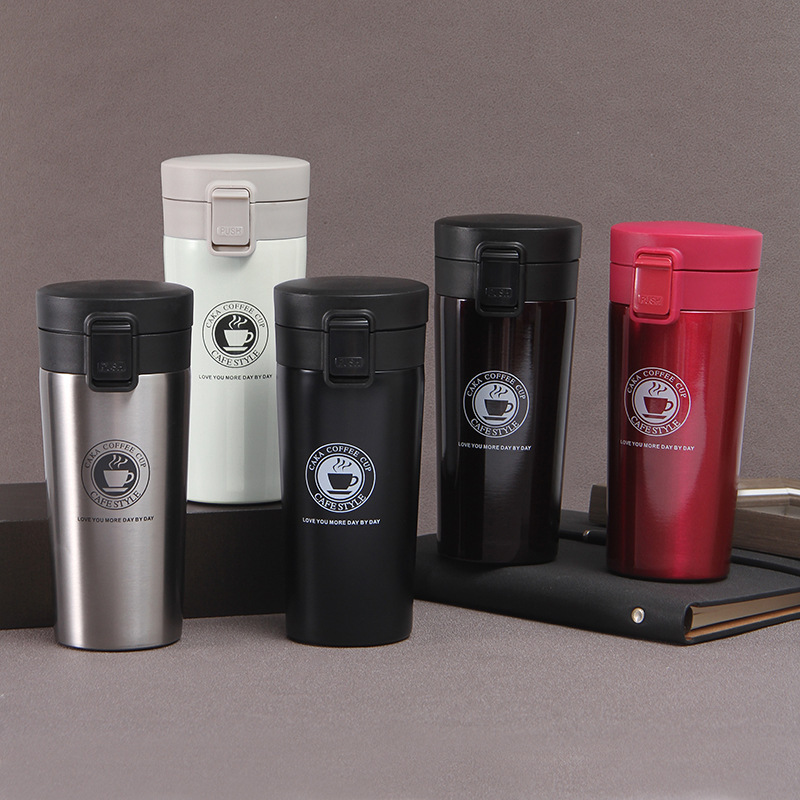
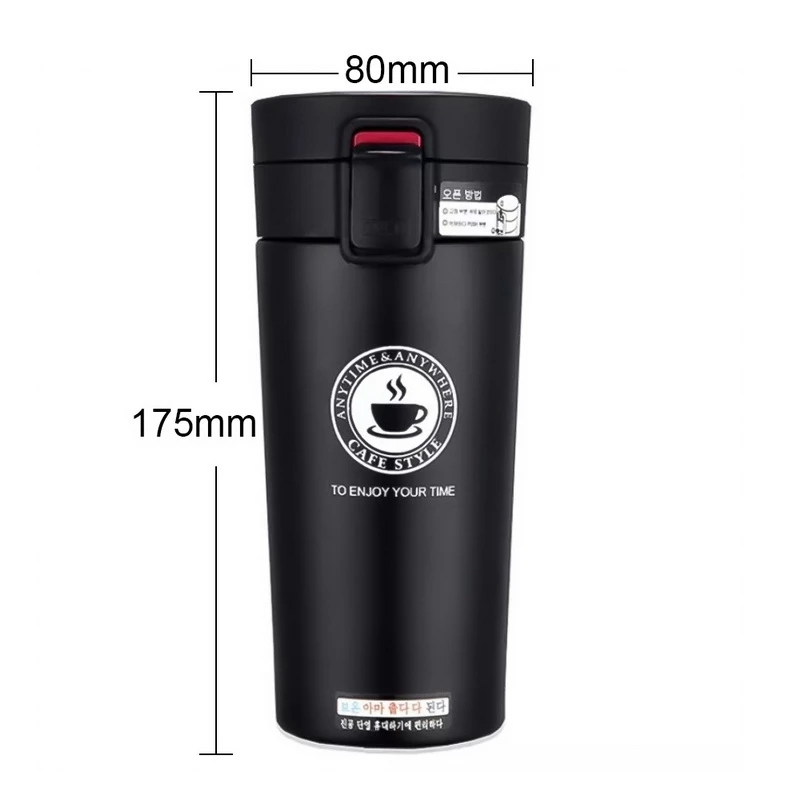
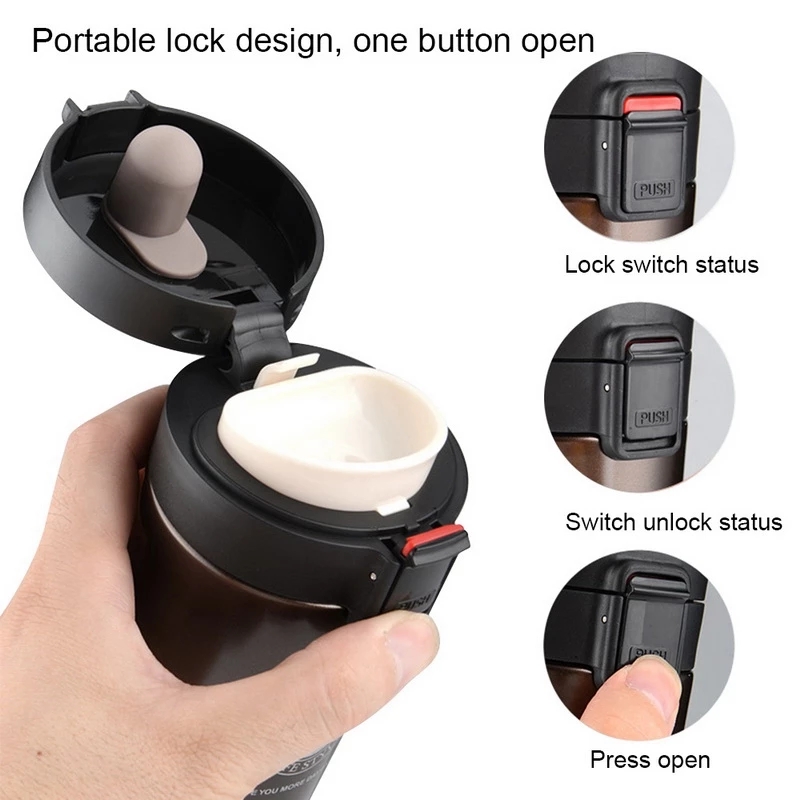
Double Wall Coffee Cups
Double wall changes what the cup feels like
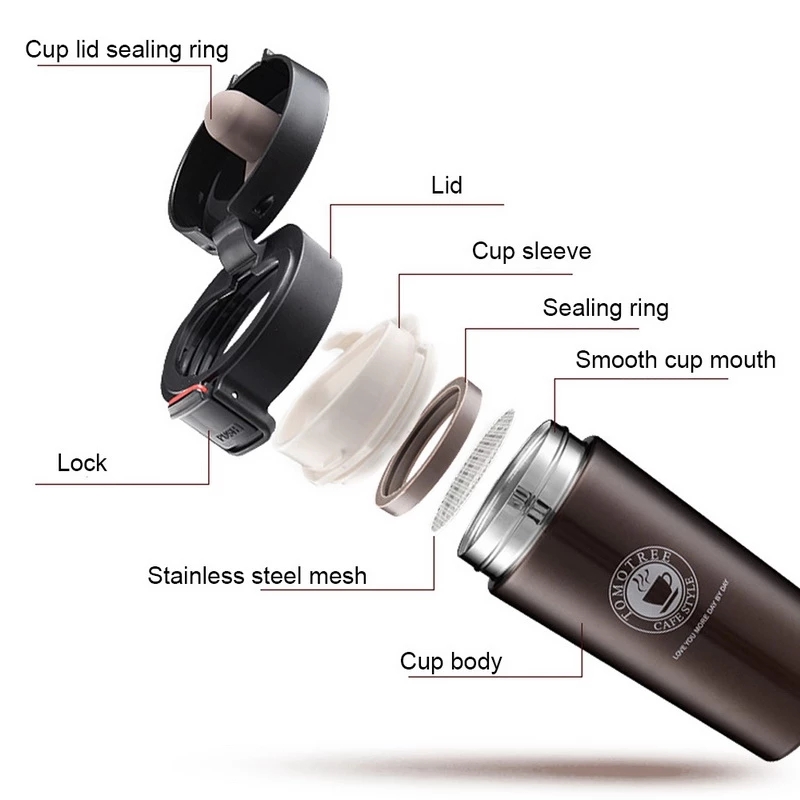
A double-wall coffee cup exists to solve one problem: the outside stays cool while the inside holds heat. That single change alters every other design decision, because the wall that used to conduct heat to the hand is now an insulating structure with a vacuum or air gap and a rim that has to close that gap.
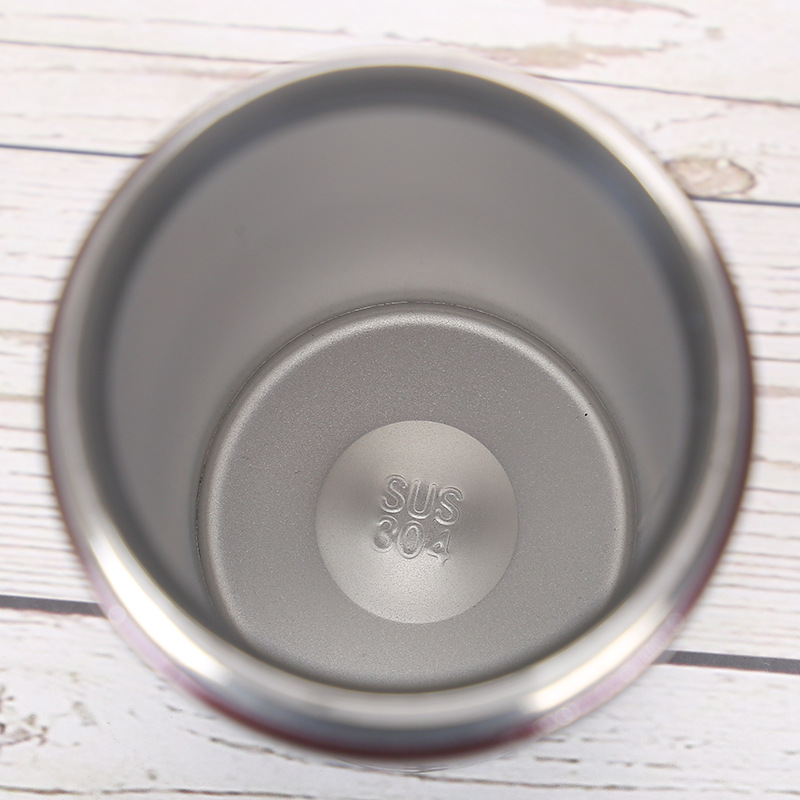
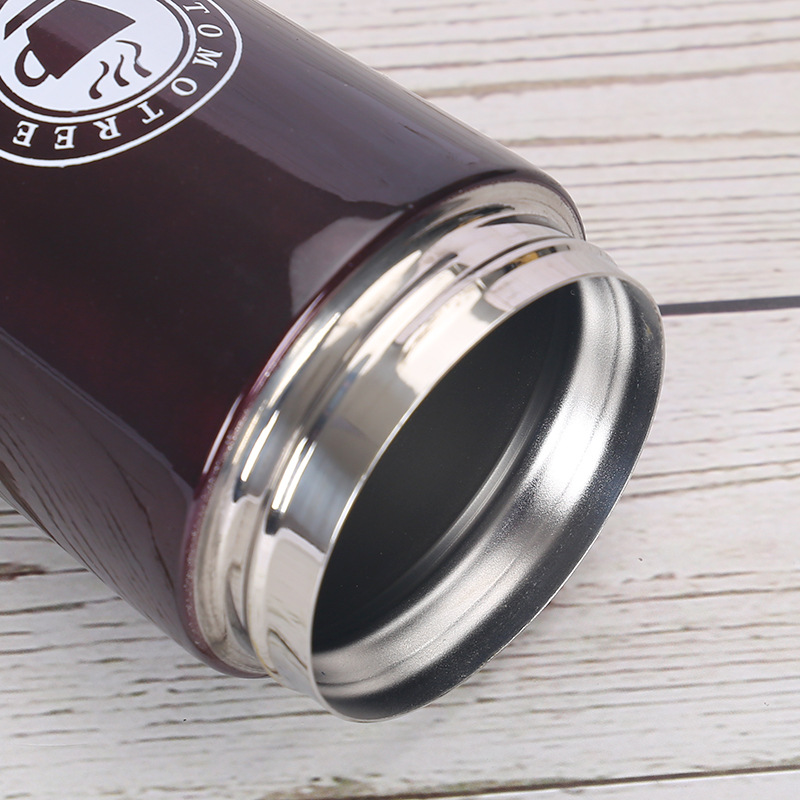
The rim is where the engineering is visible. A rolled rim is cheap and shows a seam. A welded rim is smooth and needs polishing. A rim with a visible gap between the two walls collects liquid and cannot be cleaned properly.
Air gap versus vacuum
An air gap between two walls is not the same as a vacuum. Air conducts, so an air-gap cup keeps coffee warm for twenty minutes, not two hours. That is usually enough for a cup that is emptied within fifteen minutes, and it costs a fraction of a vacuum body.
The distinction matters for claims. Calling an air-gap cup “vacuum insulated” is the kind of statement that gets corrected publicly. Position it as double-wall, and it is accurate.
Condensation and the outside of the cup
A cold drink in a single-wall cup sweats, and the sweat rings whatever it stands on. Double wall eliminates exterior condensation entirely because the outer surface never drops below the dew point. This is the benefit that sells the product in summer markets, and it is worth stating explicitly on the packaging rather than leaving it implied.
Handle, base and stability
A double-wall cup is lighter than it looks and has a higher centre of gravity than a mug with a solid base. On a smooth desk that translates into knocked-over cups. A slightly recessed base with a silicone ring fixes it for a few cents.
If a handle is fitted, it must attach to the outer wall only. A handle welded through to the inner wall creates a thermal bridge exactly where the user’s fingers are, which defeats the purpose of the double wall.
Where this product actually wins
Double-wall coffee cups win in offices, in cars and in gift sets, and they lose in cafés where the cup has to survive a commercial dishwasher and constant handling. Matching the product to the channel is more important here than in most drinkware categories, because the same cup is excellent in one setting and disappointing in another.