Description
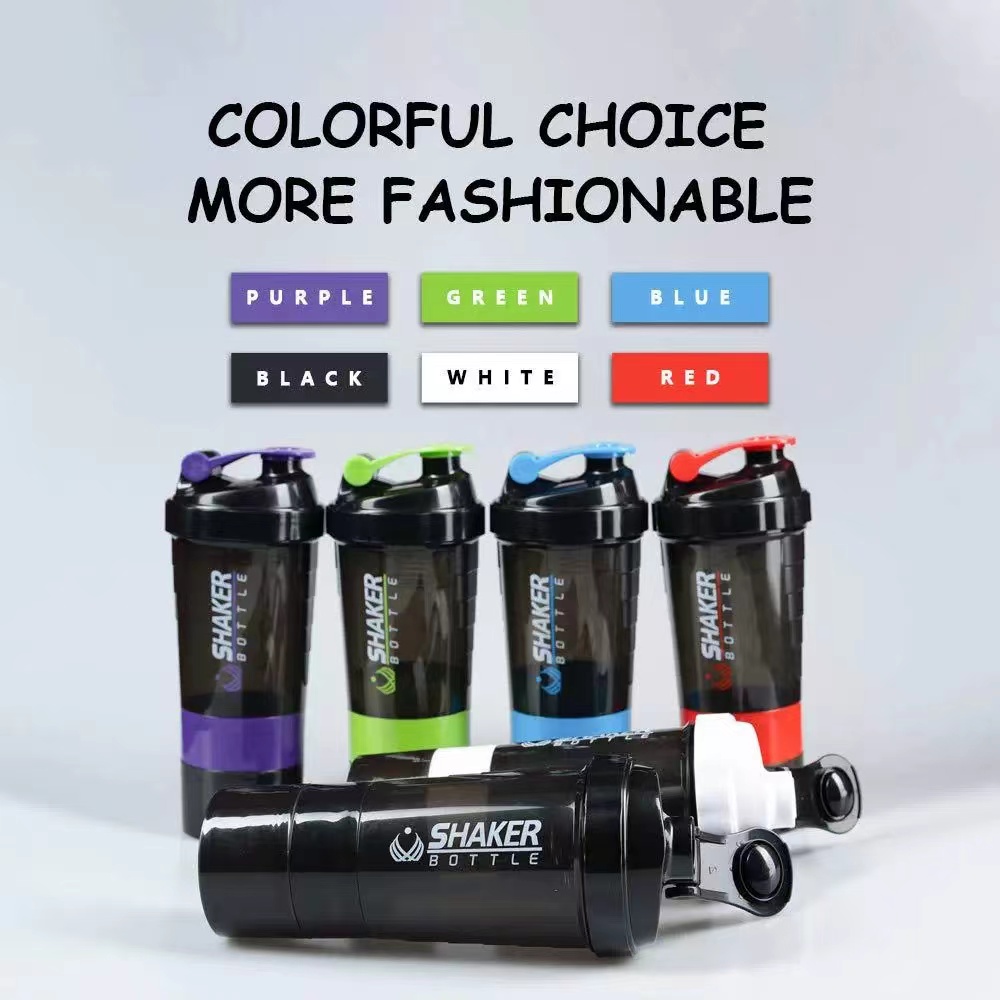
Custom Protein Shaker Bottle
The mixing problem nobody quotes for
A shaker bottle is sold on one promise: powder disappears. Most quotes cover wall thickness, coating and lid color. Almost none cover what happens to 30 grams of whey in 300ml of water at the shoulder radius, which is exactly where customers judge the product. If powder clings in the shoulder, the shaker fails the only test that matters, and no amount of branding recovers it.
Three mixing systems, three trade-offs
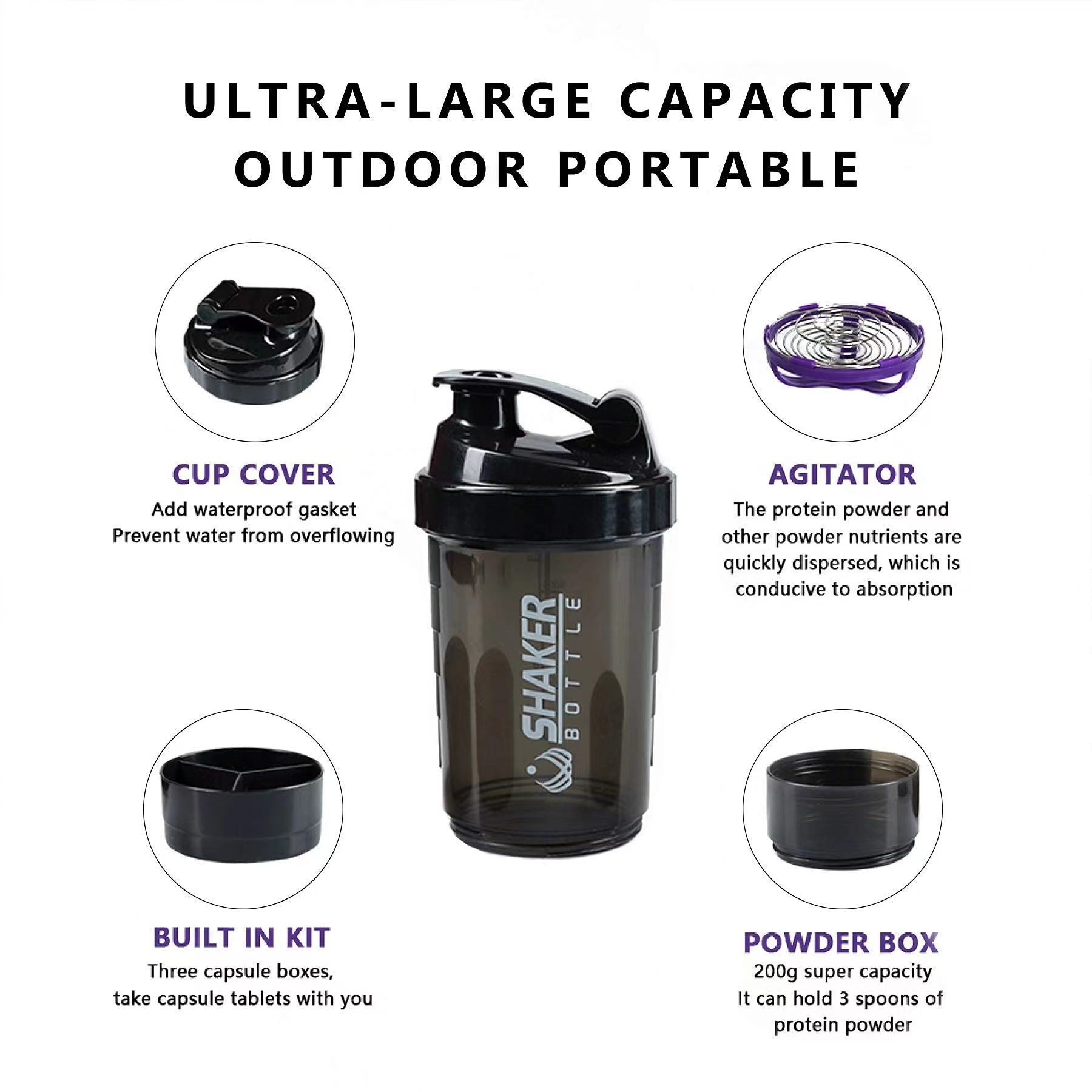
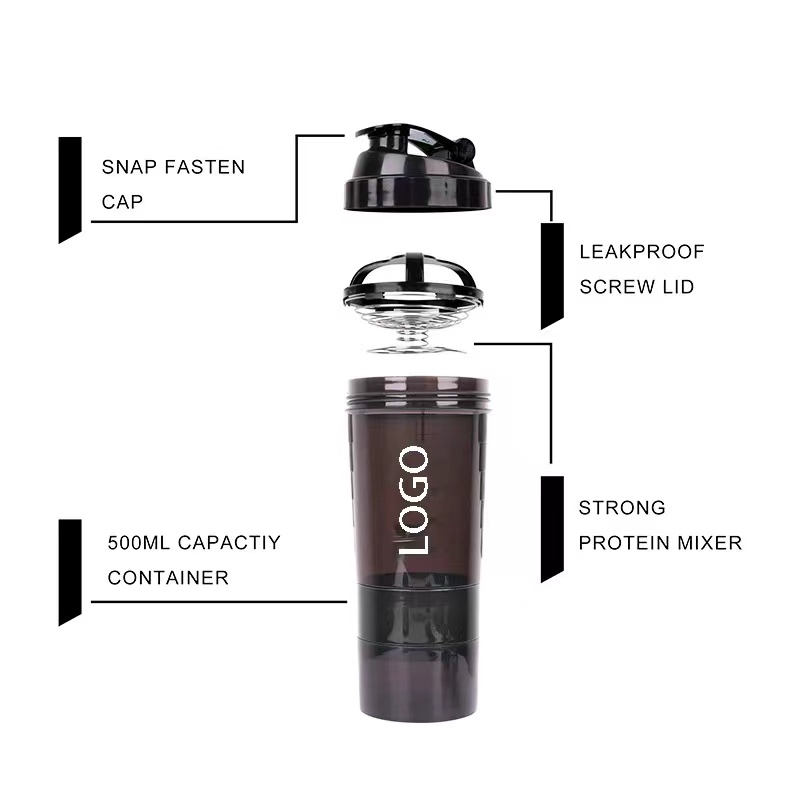
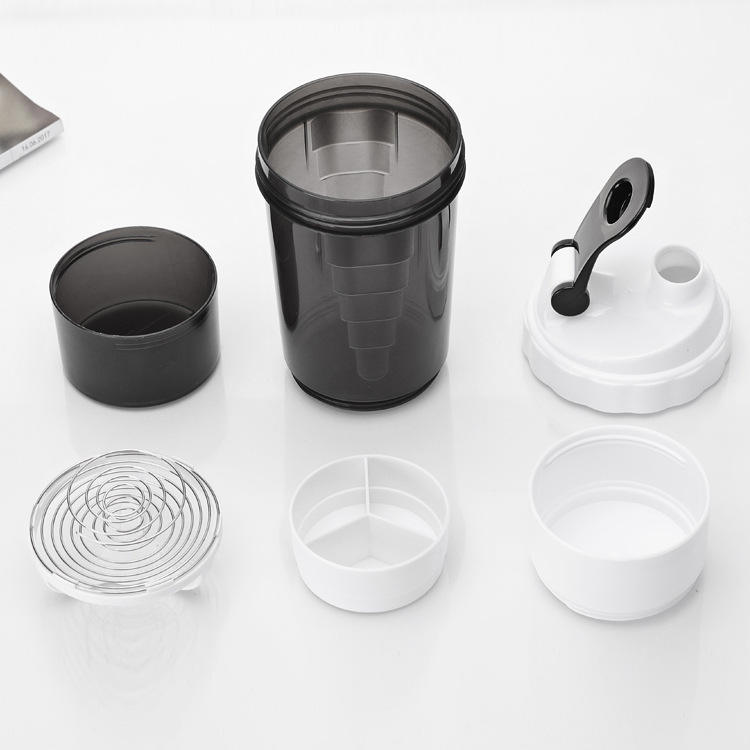
The wire ball is the cheapest and the most familiar. It works by agitation and it works well in a straight-wall body, but it rattles and it can deform if the user shakes with ice. A molded grid sits at the bottom and creates turbulence through the slots. It is quieter and does not deform, but it is harder to clean because powder packs into the slot corners. A vortex insert uses a helical fin to spin the liquid; it mixes fastest and cleans easiest, and it costs the most per unit because the insert is a separate molded part.
For a private-label program under 20,000 units, the wire ball is usually the right call. Above that, a vortex insert differentiates the product enough to justify the tooling.
Residual powder lives in the shoulder radius
Where a cylinder transitions to the neck, there is a radius that no agitator reaches. Powder settles there and forms a ring that the customer sees after drinking. The fix is geometric rather than mechanical: increase the shoulder radius so the transition is gentler, or move the fill line below the radius so the mixing zone stays in the straight section.
Both changes cost nothing in tooling if they are decided before the die is cut, and both are impossible to fix afterward. This is the single most common design regret in shaker development.
Thread engagement under pressure
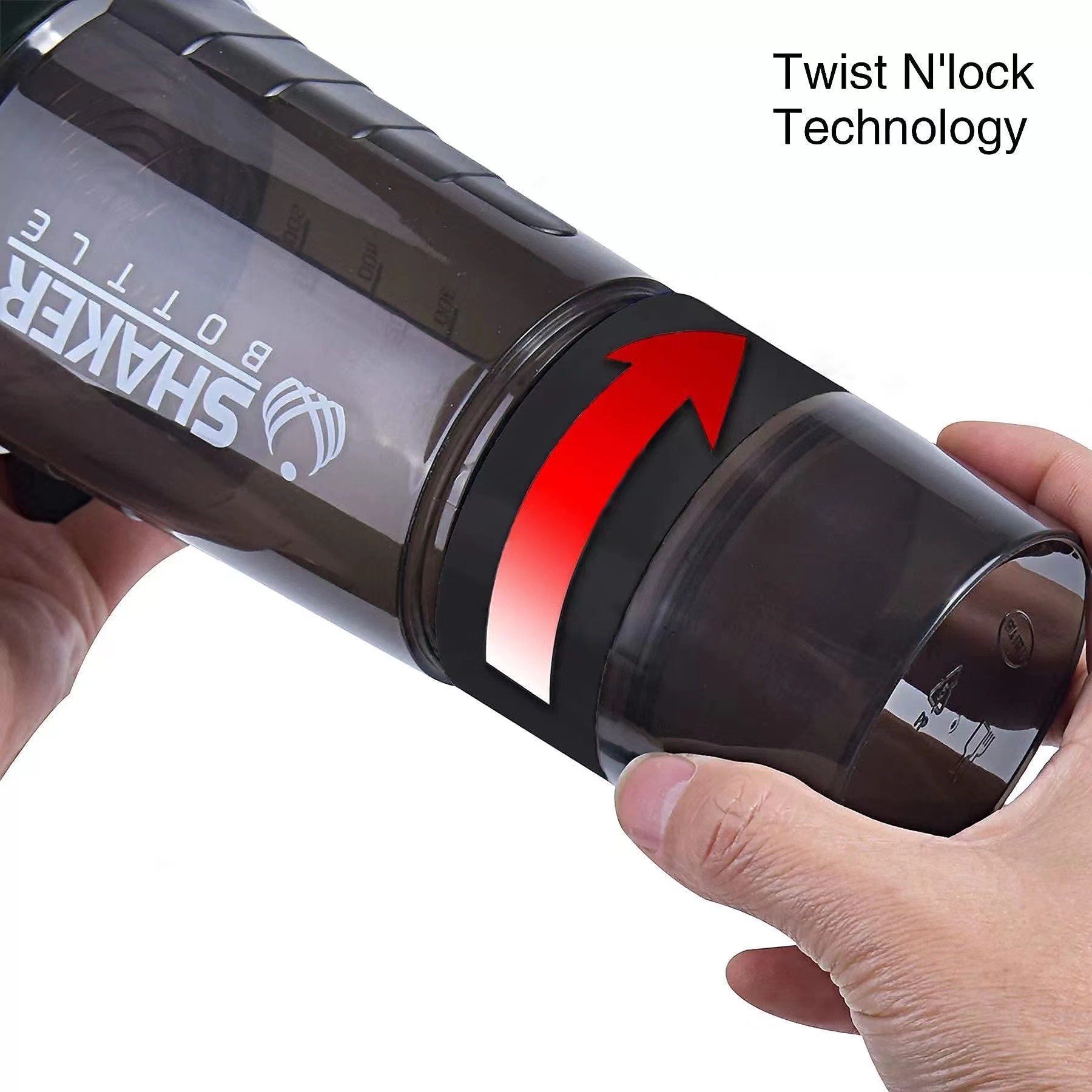
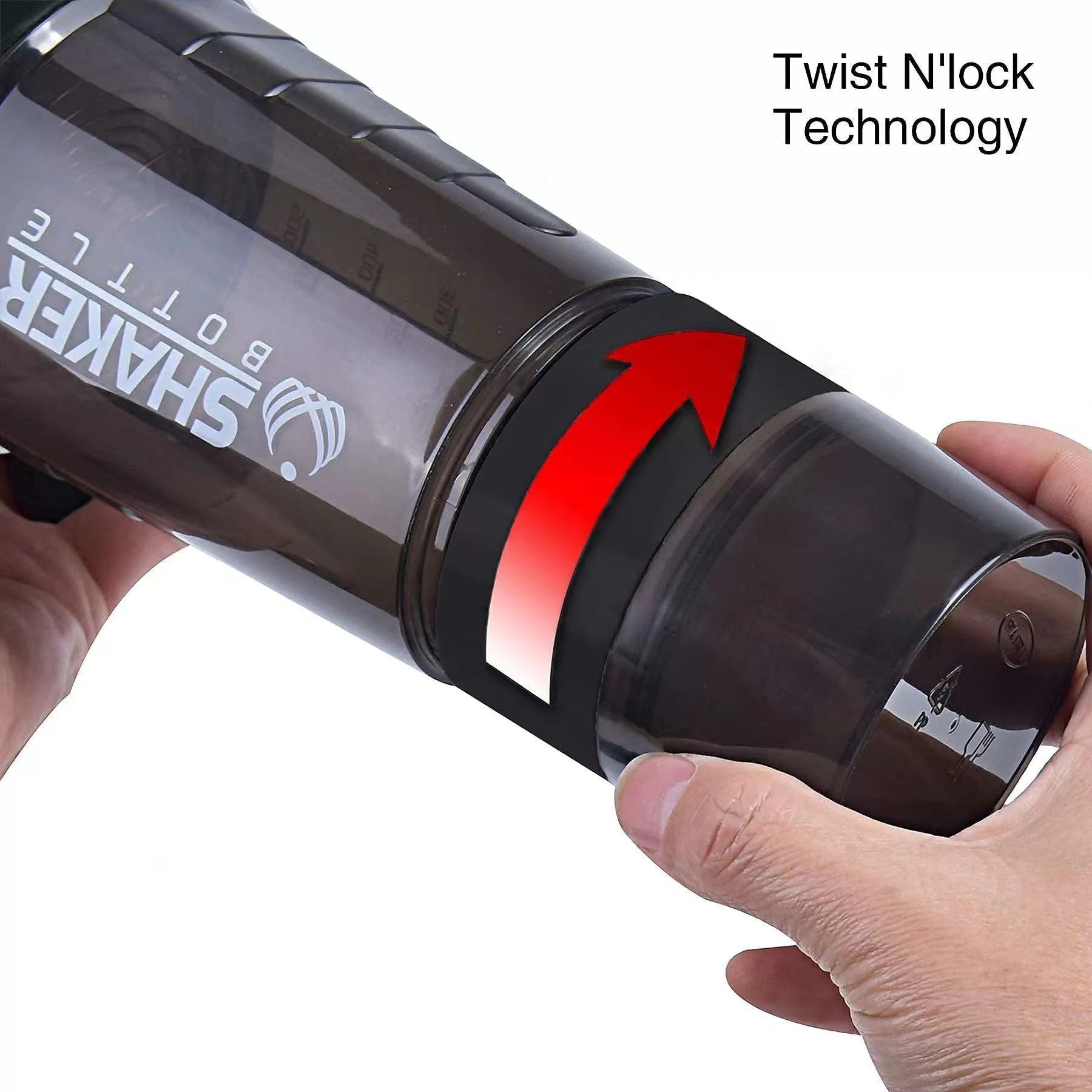
A shaker is the only drinkware category where the user deliberately creates internal pressure. Shaking 300ml of liquid with air above it can spike internal pressure enough to push past a marginal thread. Three and a half turns of engagement with a 55 Shore A gasket is the working minimum. Below that, the lid weeps at the thread rather than at the spout, and the user blames the seal instead of the thread.
Cleaning validation before private label
Ask for a residue test: fill with a protein slurry, shake for thirty seconds, rinse once, and inspect the shoulder and grid slots under light. A supplier who has run this test will have photographs. One who has not will describe the product as easy to clean, which is not the same thing. For a supplement brand, this test is the difference between a repeat purchase and a review that says the bottle smells after a week.