Description
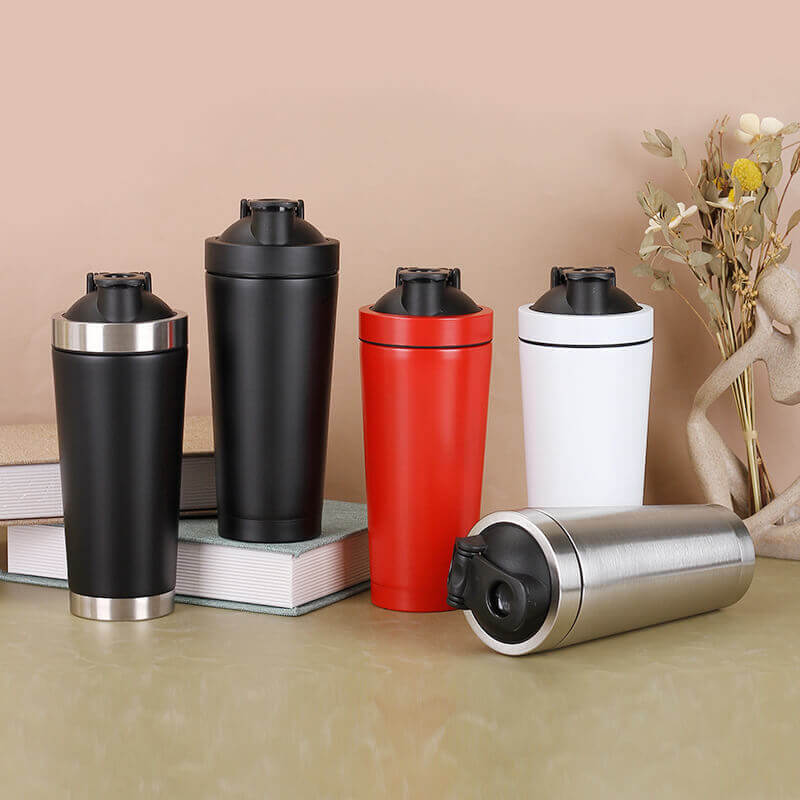
Stainless Steel Shaker Bottle
Why a stainless shaker starts to smell
Protein residue is the hardest thing to remove from any drinkware. It is sticky when wet, sets when dry, and gets into every crevice it can reach. In a plastic shaker the body can be replaced cheaply. In a stainless shaker the body lasts for years, which means any crevice that traps residue is a permanent problem rather than a disposable one.
Stainless is the better material for durability and the worse material for hygiene, unless the geometry is designed for it.
Weld seams and the crevice they create
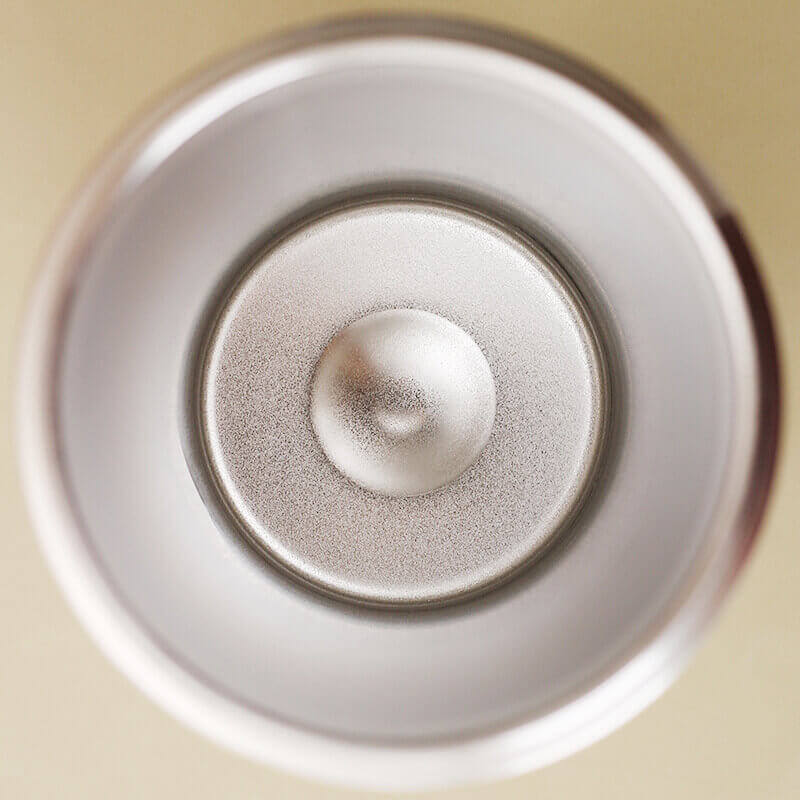
A stainless shaker body is drawn and then welded at the base, or drawn in one piece from a deeper blank. A welded base leaves an internal seam, and that seam is a crevice where residue collects and a brush cannot reach. One-piece drawing eliminates the seam at a higher tooling cost.
If the design uses a welded base, the seam should be ground flush and passivated. A visible weld line on the inside of a protein shaker is a design defect, not a cosmetic detail.
The threaded joint and the gasket groove
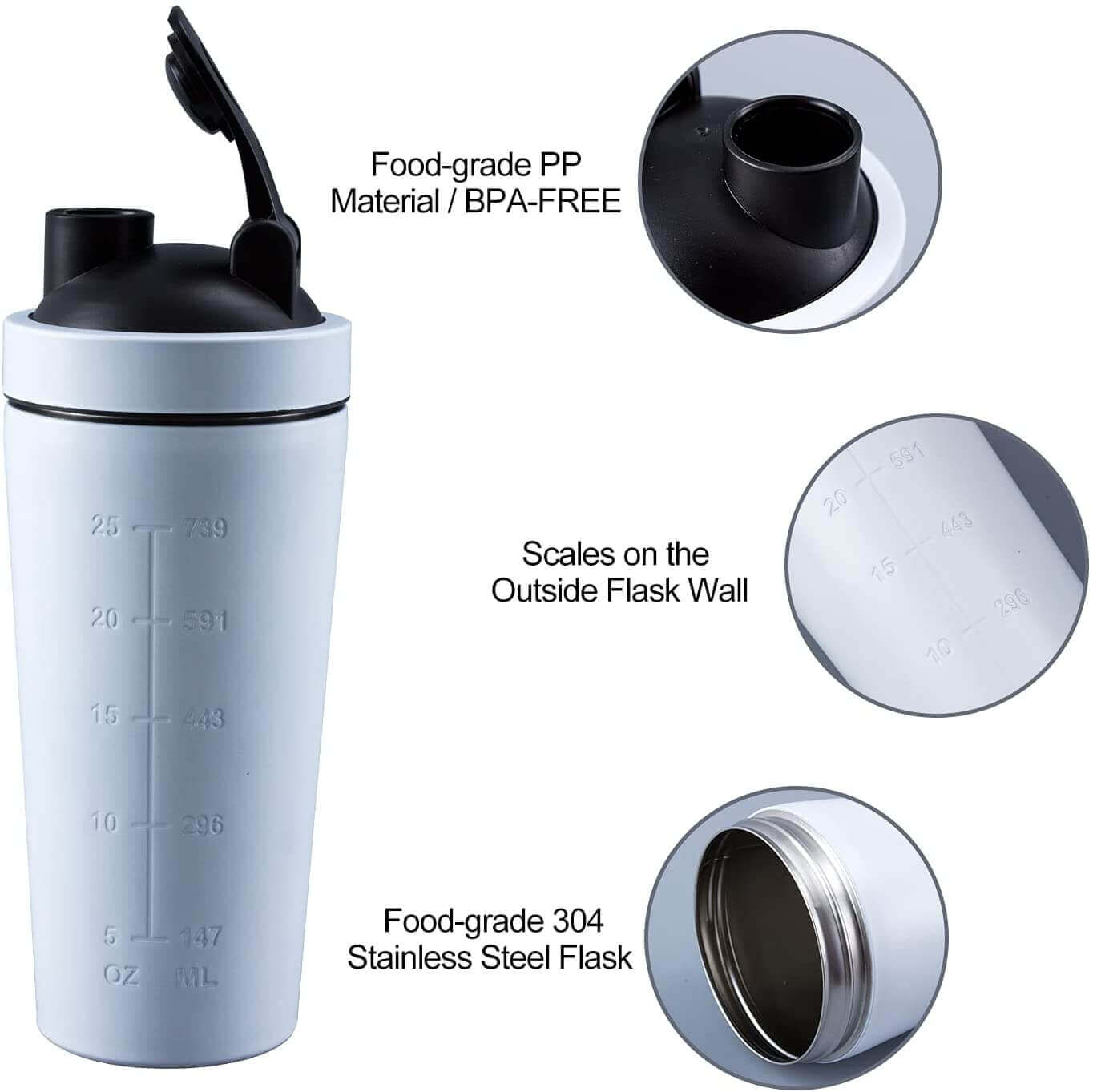
Protein powder gets into the thread and dries there. A coarse thread with a wide pitch is easier to rinse than a fine thread, and it seals adequately with a proper gasket. The gasket groove should be open enough to wipe, and the gasket should be removable.
A silicone gasket that cannot be removed will hold odour within weeks. Specify a removable gasket and a groove that a finger can reach.
Weight and what it changes
A stainless shaker weighs roughly twice a plastic one of the same volume, around 300g empty against 150g. That matters in a gym bag that already holds shoes and a towel, and it matters more when the shaker is carried full.
Stainless is the right choice for buyers who want a durable product they keep, and the wrong choice for a promotional item where weight and cost both count against it.
Where the mixing mechanism has to change
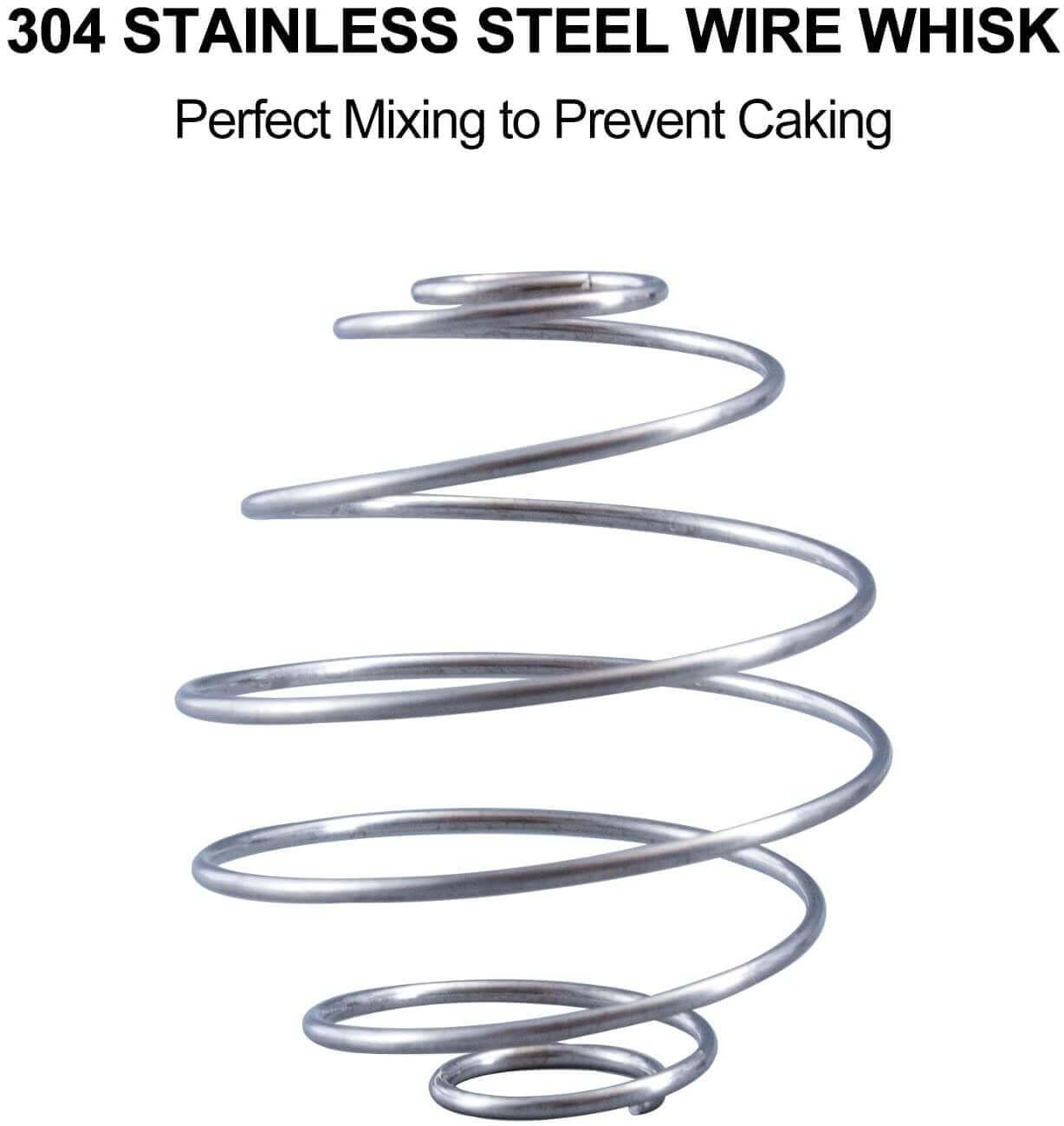
A stainless body is opaque, so the user cannot see whether the powder has dissolved. That pushes the design toward a wire ball or a vortex grid rather than relying on visual checking, and it makes the lid’s transparency a functional decision rather than a stylistic one.
A clear lid on a stainless body resolves the visibility problem and is the standard compromise.