Description
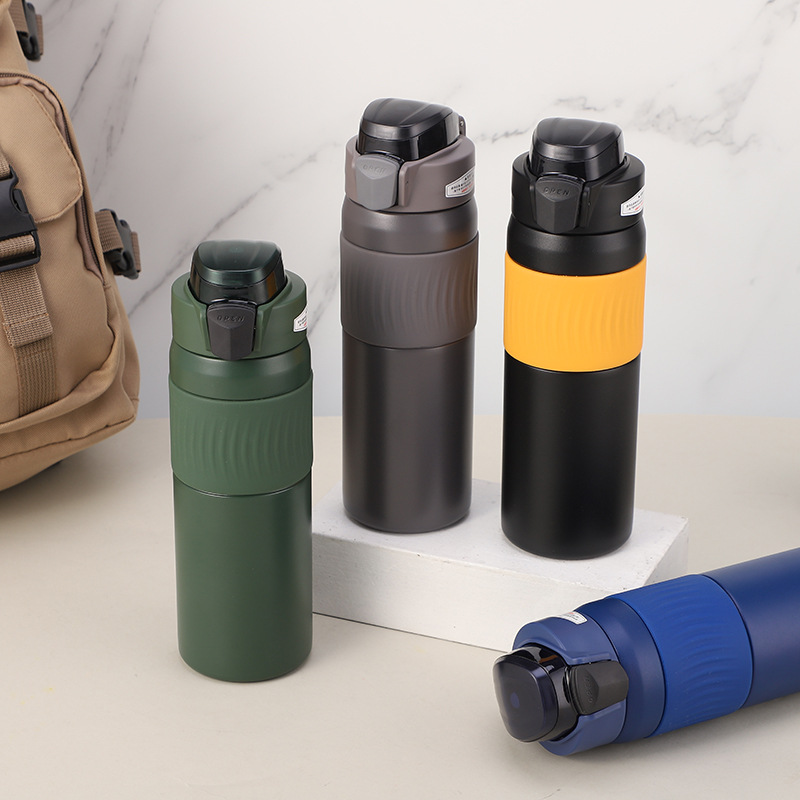
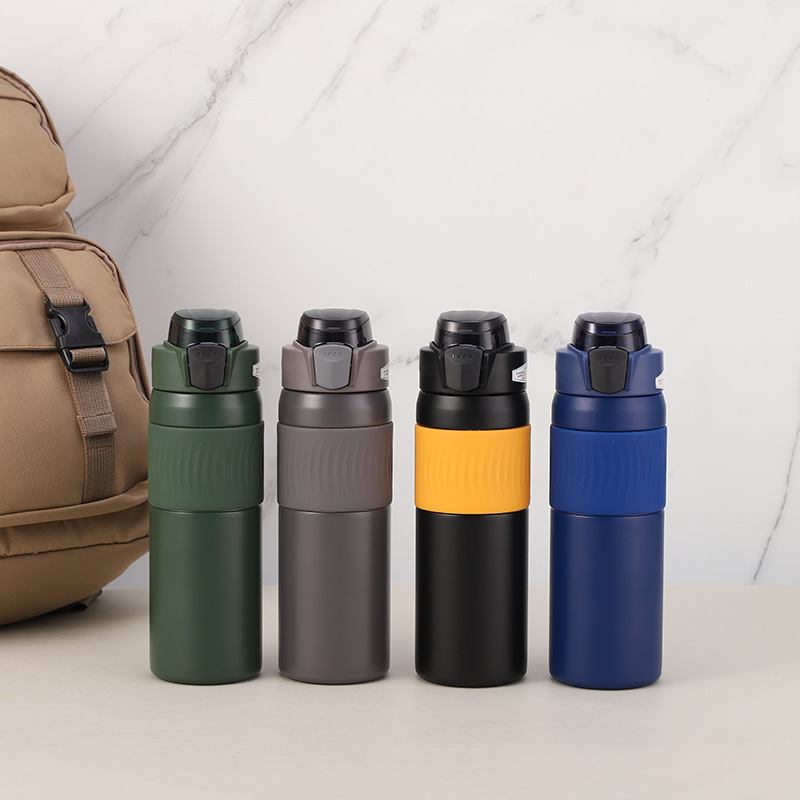
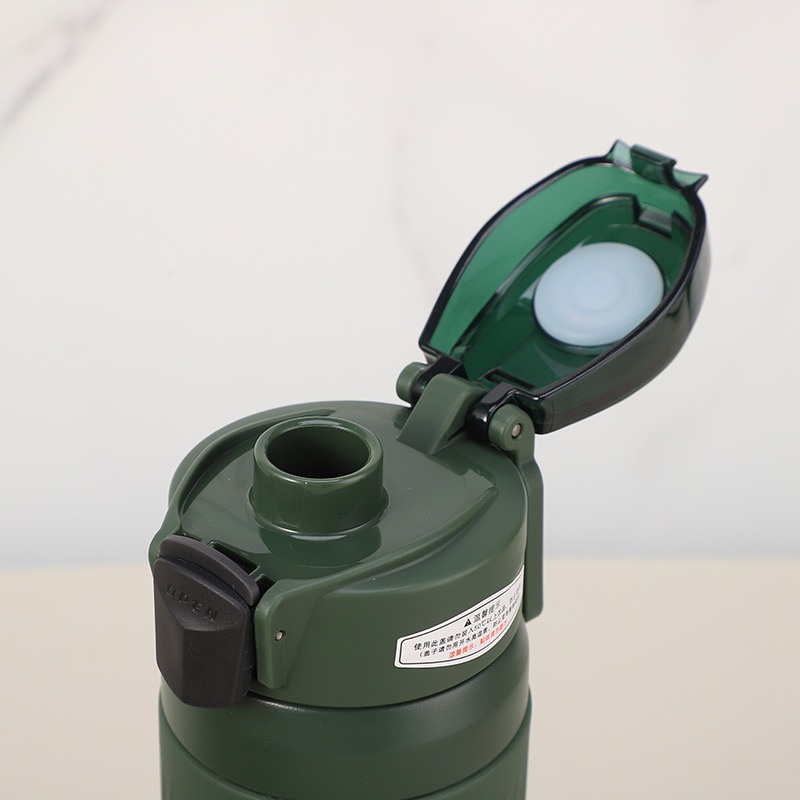
Travel Sports Water Bottle
Drinking while moving is a valve problem
A sports bottle is used by someone who is out of breath, moving, and unwilling to use two hands. That single constraint drives the entire design: the valve has to open under mouth pressure or a thumb, deliver a high flow rate so the user does not have to suck hard, and close positively so it does not leak into a gym bag.
Most sports bottles fail on the third requirement, not the first two.
Bite valve, push-pull and flip-top
A bite valve delivers the highest flow with the least effort and is the choice for cycling and running. It also wears fastest, because the silicone slit is flexed thousands of times and eventually tears.
A push-pull valve is more durable and requires a hand, which rules it out for running but is fine for gym use. A flip-top is the cheapest and the least reliable at sealing. Matching the valve to the sport is more important than picking the most advanced one.
Flow rate and the vent
A bottle without a vent creates a vacuum as the user drinks, and the flow drops sharply after the first mouthful. The vent is a small hole or a one-way membrane that admits air. Without it, the user has to release the bottle, let air back in, and drink again, which is exactly what a moving user cannot do.
A one-way silicone membrane vent is the reliable solution. A simple hole works but leaks when the bottle is inverted.
Carry systems and the attachment point
A loop, a clip or a strap boss adds a load path to the cap. That is where a full 750ml bottle will fail, because the cap thread was designed for sealing, not for carrying 800 grams. A carry loop should attach to the body collar, not the cap.
If the design requires a cap-mounted loop, specify a metal insert in the cap rather than relying on the plastic thread.
Cleaning a valve without disassembly
A valve that cannot be opened for cleaning will grow mould in the slit within weeks. Every valve design should either split for cleaning or allow a brush through the drink path. This is the specification customers discover after purchase, and it determines whether the product is recommended or reviewed badly.