Description
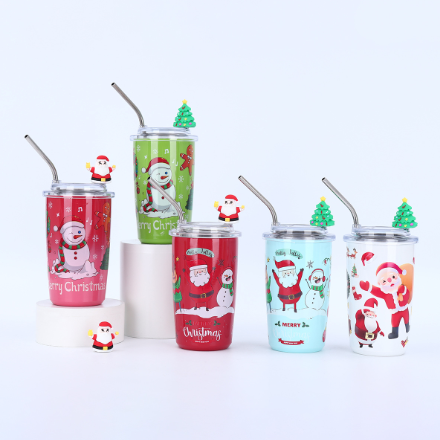
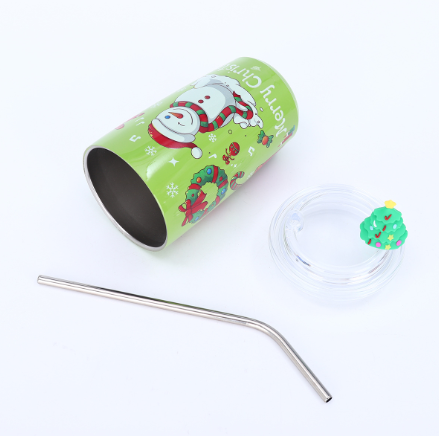
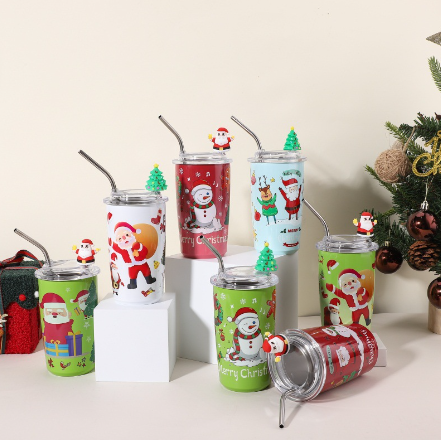
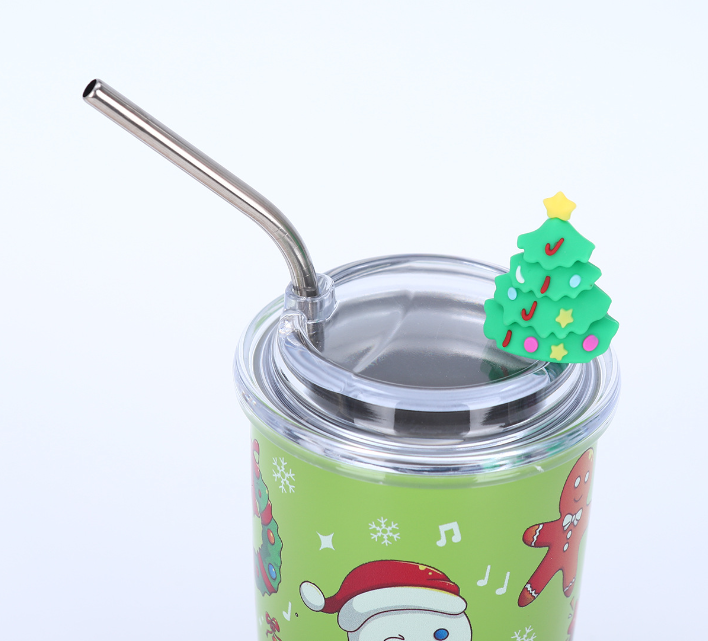
16oz christmas cup
Decorating a seasonal design is a different problem
A Christmas cup carries artwork that covers more of the body than a logo does, in more colours, and it has to be produced in a short window at high volume. Those three conditions together narrow the decoration options considerably.
Screen print versus wrap for complex art
Screen print handles up to four or five colours and holds fine detail well, but each colour is a separate pass with a separate setup, and registration between passes becomes difficult on a curved surface at high volume. A design with snow, stars and lettering in four colours is at the edge of what screen print does reliably.
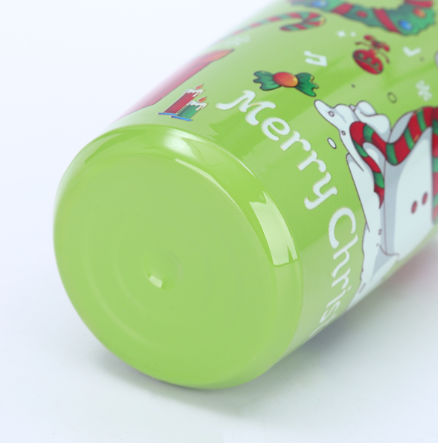
Wrap printing or water transfer handles photographic artwork and unlimited colours in one pass, which suits the style of seasonal designs. The trade is durability at the base edge and around the rim.
Ink chemistry and food contact
Decoration sits on the outside of the body, but the rim and the area near the drink opening are still food-contact zones. Inks and coatings used there have to meet the applicable food-contact requirements for the destination market, and the supplier should be able to produce the migration test report rather than a general compliance statement.
This is the point where seasonal programs most often fail an audit, because festive designs use metallic and effect inks that are not always specified for food-contact proximity.
Wash durability of festive coatings
Metallic coatings and glitter finishes are the least dishwasher-durable decorations in the category. They look best in a photograph and wear first in real use. If the product claims dishwasher safety, metallic effects have to be tested rather than assumed.
A matte base coat with a printed design holds up far better than a metallic body with a printed design.
Storage and shelf life of seasonal stock
Seasonal stock that does not sell is stored for eleven months and sold at a discount next year. Coatings stored in a humid warehouse can bloom or chalk, so packaging should include a desiccant and the cartons should not be stored directly on a concrete floor.
Planning for a carryover of 10 to 15 percent is normal. Planning for none is optimistic.