Description
Insulated Reusable Eco-Friendly Drinks Thermal
Sustainability claims need a paper trail, not an adjective
Reusable drinkware is inherently more sustainable than disposable cups, and that argument does not need a recycled content claim to work. The moment a product says “eco-friendly” on the packaging, it invites a question the buyer’s compliance team will ask: which part is recycled, at what percentage, and verified by whom.
Answer that question before the product is designed, not after.
Where recycled content actually goes
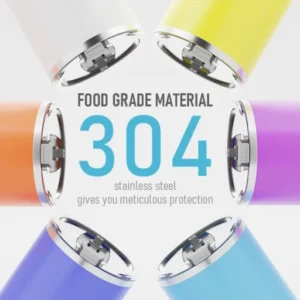
In a stainless flask the steel is the largest mass by far. Recycled stainless is widely available and its use is verifiable through mill certificates. The plastic lid is smaller but more visible to the customer, and recycled PP is available at a modest premium.
Silicone gaskets are the awkward part: food-contact recycled silicone is effectively unavailable, so any percentage claim has to exclude the gasket and say so.
GRS and what certification requires
The Global Recycled Standard verifies recycled content through the supply chain and requires a transaction certificate for each shipment. It is the certification most retail buyers recognize for textile-adjacent products, and it is increasingly requested for drinkware accessories.
A supplier claiming GRS must hold the scope certificate themselves, not merely buy from a mill that does. Ask for the certificate number and the scope, and check that drinkware falls inside it.
Design for disassembly beats a percentage claim
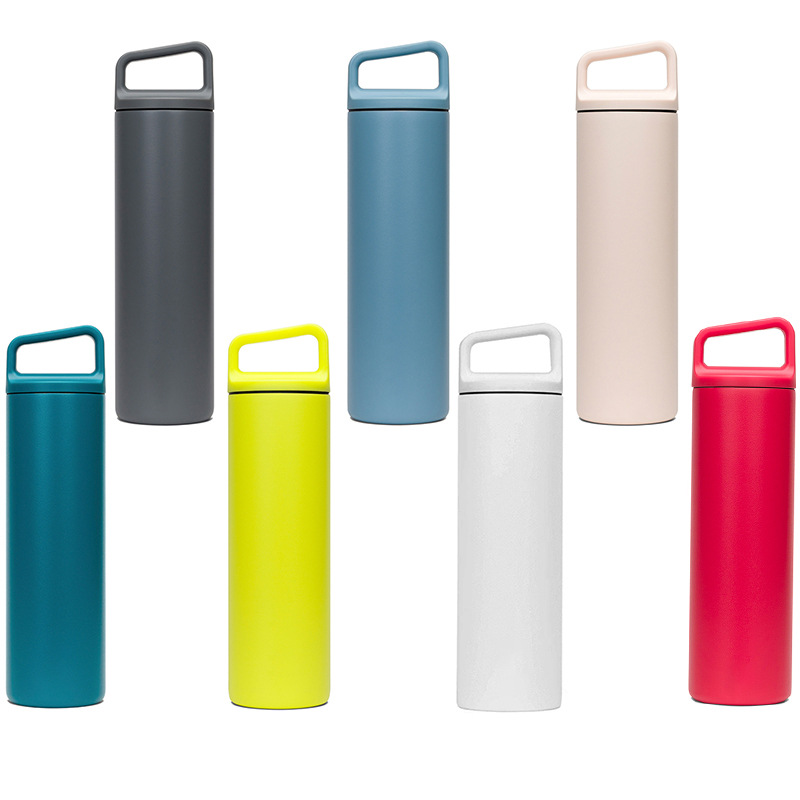
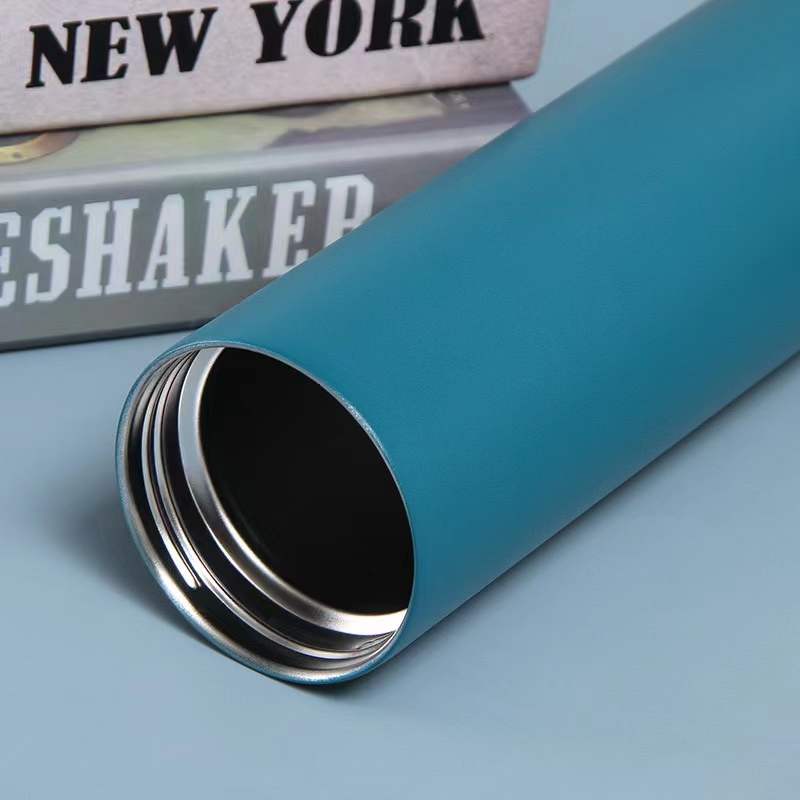
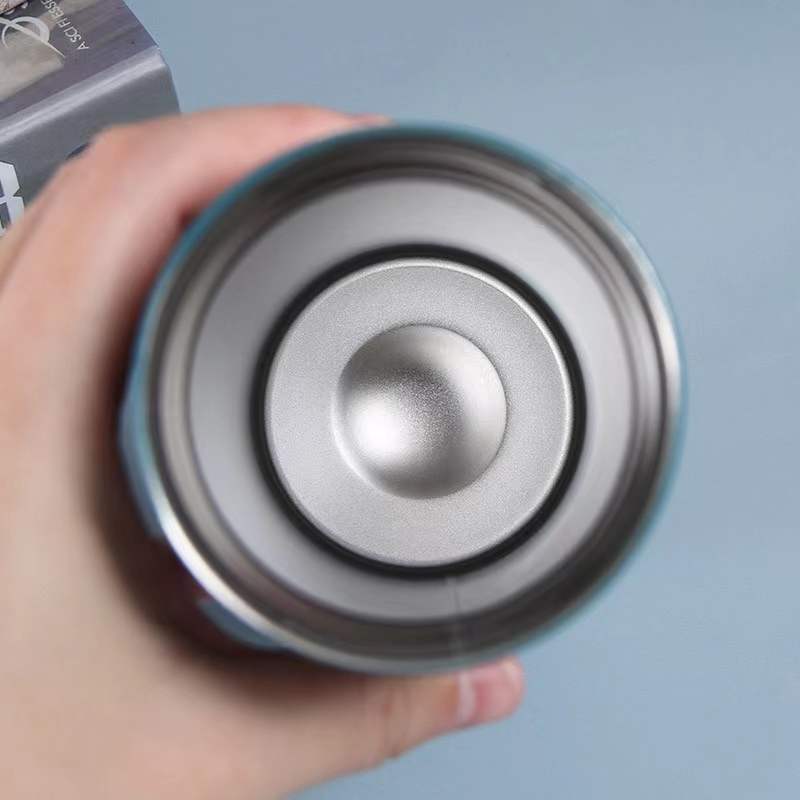
A bottle that can be separated into steel body, plastic lid and silicone gasket at end of life is easier to recycle than one with a percentage claim and a bonded assembly. Single-material construction where possible, mechanical joints instead of adhesive, and a lid that snaps off without tools are all stronger sustainability signals than a number on the box.
This is also the claim that survives scrutiny, because it can be demonstrated in a photograph rather than verified in a lab.
The claim that carries the most weight
For a B2B buyer, the most defensible sustainability statement is the least glamorous: this bottle replaces a known number of disposable cups over its service life, and it is designed to be repaired rather than replaced. That claim needs no certification and cannot be disproved by a supply chain audit.