Description
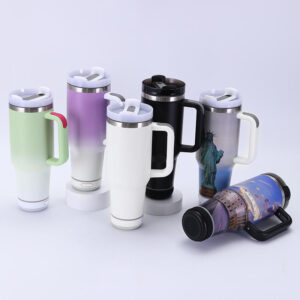
24oz Coffee Tumbler With Double Lids and Straw
Two lids, two failure modes
A double-lid coffee tumbler is sold as versatility: flip lid for the commute, straw lid for the desk. That is a real consumer benefit, and it also doubles the number of ways the product can fail. The two lids do not share a seal path, so a supplier who validates one and assumes the other is fine will ship a product with a predictable returns profile.
Flip lid versus straw lid: sealing paths
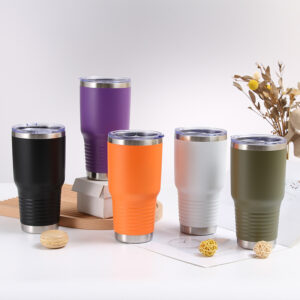
The flip lid seals on a plug that enters the drink opening, backed by an air vent that must breathe but not leak. Its failure mode is the vent: a vent hole sized for pressure equalization will pass liquid when the tumbler lies on its side. The usual fix is a silicone umbrella valve, which costs about three cents and is routinely omitted to hit a price point.
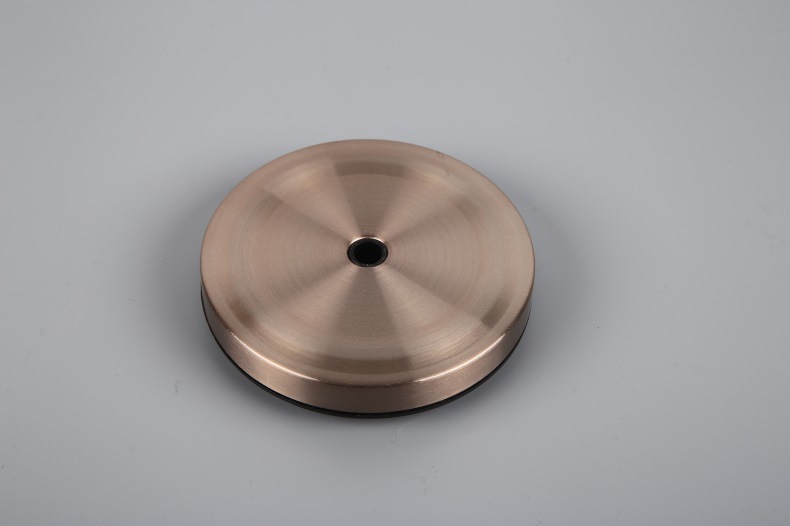
The straw lid seals on the straw gasket, not the lid body. Its failure mode is the gasket taking a compression set after repeated insertion, which shows up as a slow drip at the straw base after two or three months. Specifying a 50 Shore A silicone gasket with a defined compression window solves it; a TPE gasket at the same durometer will not, because TPE creeps under sustained load.
Straw diameter and flow rate
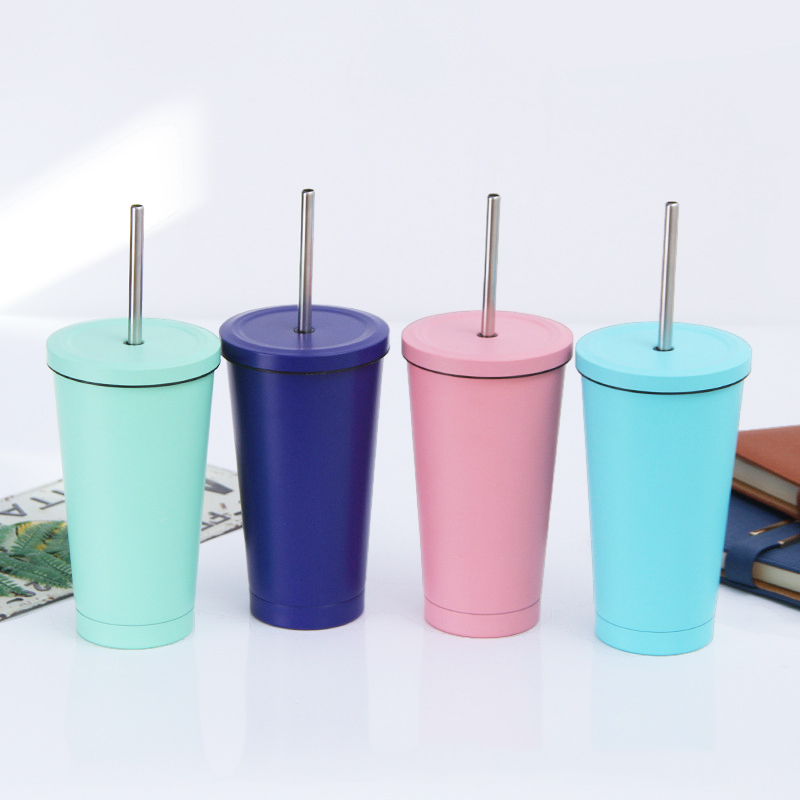
A 24oz tumbler with a 9mm straw feels slow; with a 12mm straw it feels correct for iced coffee but too fast for water. The specification that matters is the inner diameter at the gasket, not the straw’s nominal size, because the gasket compresses the tube at exactly the point where flow is already restricted.
If the product ships with a reusable straw, confirm it fits the gasket without forcing. A straw that requires pressure to insert will wear the gasket on the first use.
Accessory BOM cost per unit
Two lids, two gaskets, one straw, one straw brush is a five-line accessory bill of materials. Individually the parts are cheap, but the assembly time is not: pairing, bagging and carton packing of loose accessories adds measurable labor per unit. Suppliers who quote accessories as a lump sum are usually planning to pack them loose in the carton, which generates complaints about missing parts.
Ask for the accessory packing method in writing. A polybag with all accessories per unit adds a few cents and removes an entire category of after-sales complaints.
Packaging the pair without damage
Two lids in one box will scratch each other and the body unless separated. The cheapest workable solution is a folded paper sleeve between them; the better one is a molded insert that also holds the straw. If the product is sold in retail packaging, the insert is part of the shelf presentation and justifies itself. If it ships in a plain carton, a paper sleeve is enough.