Description
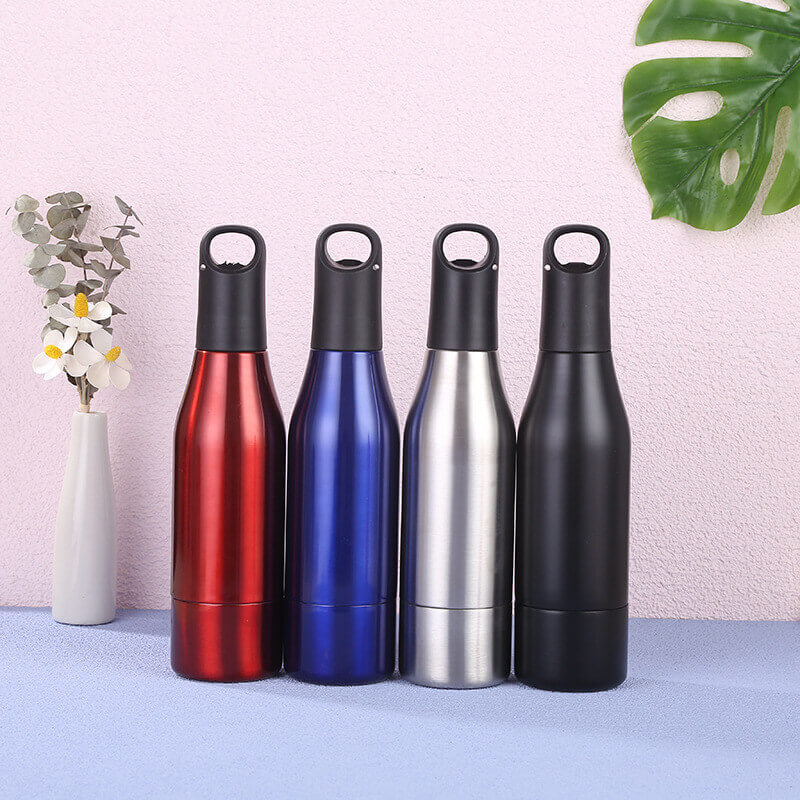
Can Cooler With Opener
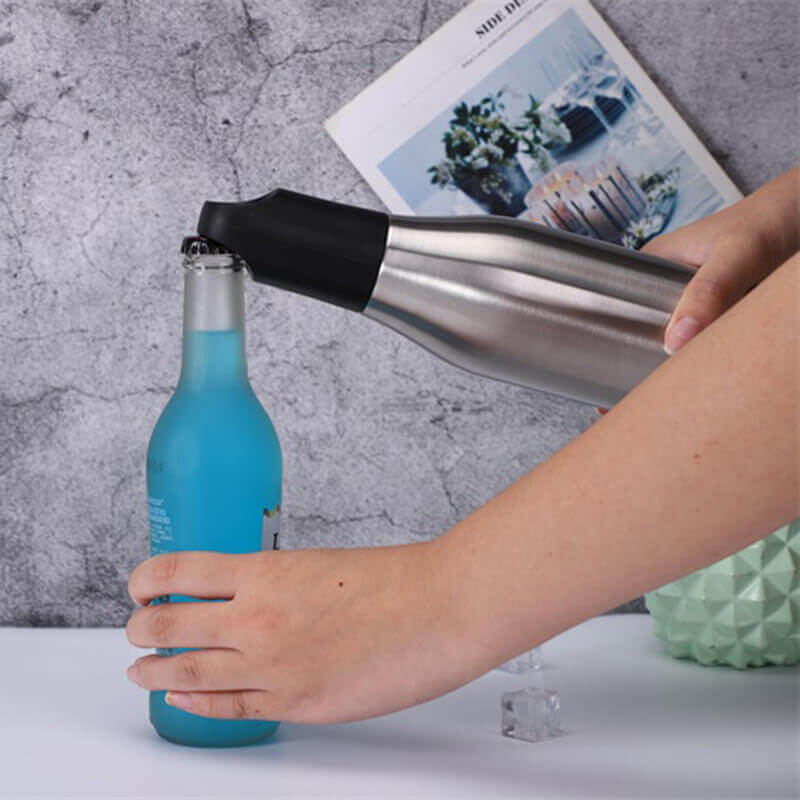
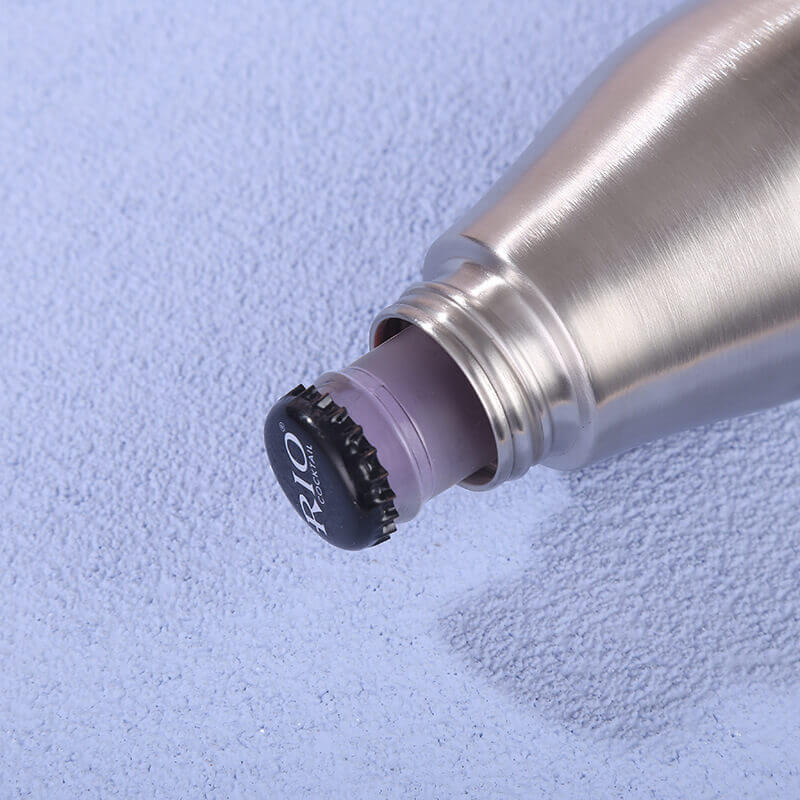
An integrated opener is a structural add-on
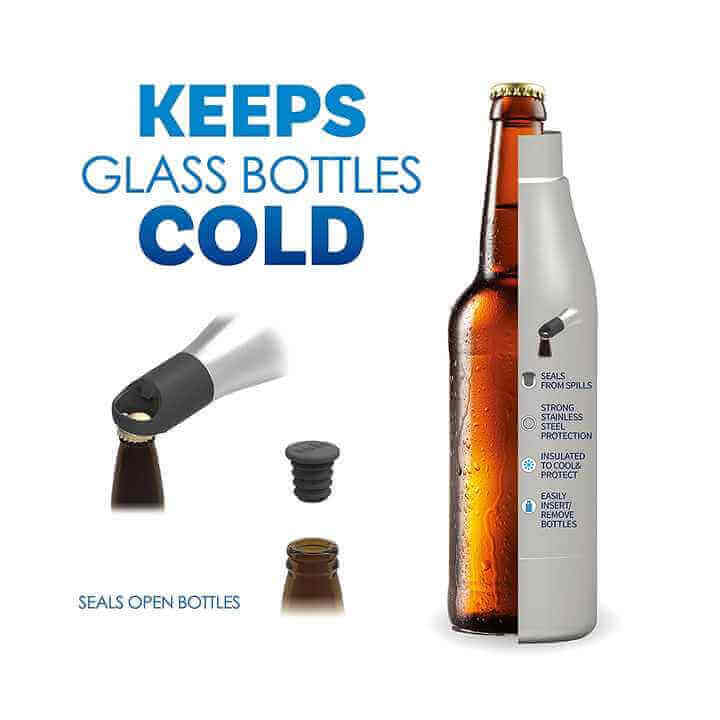
Putting a bottle opener on a can cooler solves a real problem: the person holding the cooler is usually the person who needs to open the bottle. The engineering cost is that the opener is a rigid lever attached to a soft body, and every bottle opened applies a point load to the attachment.
A poorly integrated opener tears out of a neoprene sleeve within a season. That is the whole failure mode.
Metal insert versus molded tooth
A stainless insert riveted or bonded into the cooler is durable and can be replaced if the design allows it. A molded plastic tooth is cheaper and wears quickly, because the plastic deforms against a steel bottle cap.
If the opener is plastic, it needs to be a glass-filled grade and at least 4mm thick at the tooth. Unfilled PP at 2mm will round off after a few dozen bottles.
Attachment to a flexible body
A neoprene cooler flexes, so an opener bonded to it peels at the edges. The reliable construction is a rigid plate that carries both the opener and the attachment to the cooler, so the load path goes through the plate rather than through the fabric.
Stitching through the plate and a backing disc spreads the load over a wider area. Without the backing disc, the stitching pulls through the neoprene.
Safety and the edge that does the opening
The opener tooth is a sharp edge inside a product that sits in a hand near a drink. It should be recessed so a finger cannot slide into it, and it should not present a burr. Deburring is a finishing step that some suppliers skip on low volumes, and it is the first thing a customer notices.
Whether the feature earns its cost
An integrated opener adds roughly 6 to 12 cents in material and assembly on a metal insert design, and considerably more on a replaceable one. It supports a price increase larger than that in gift and promotional channels, where the combination is the selling point. In a plain retail cooler it is a feature nobody pays for.