Description
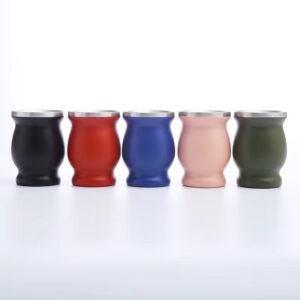
Custom Egg Shape 12oz Stainless Steel Coffee Mug
A 12oz egg-shaped coffee mug sits in a crowded category where the differentiator is not insulation but shelf presence. Coffee drinkers already own a tumbler. What they buy a second time is something that looks different on the counter and feels right in the hand at 7am. That makes this a design-led product with a specific set of commercial constraints.
12oz is the coffee-cup size, and that fixes the geometry
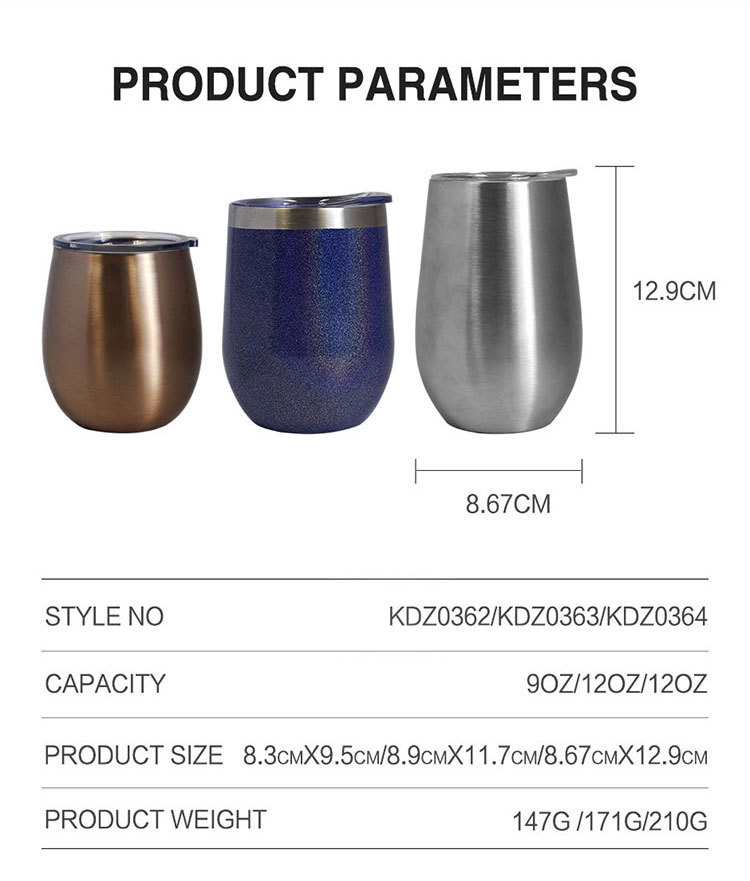
Twelve ounces is roughly 355 millilitres, which is a standard large coffee. In a mug format that volume sets a body height around 110 to 120 millimetres with a mouth diameter near 80 millimetres. The egg profile has to deliver those numbers while keeping the centre of gravity low enough that the mug does not tip when the handle is pulled.
Get the proportions wrong and the mug looks like a vase. The narrow point of the egg should sit below the midpoint, not at it.
Handle comfort is measured, not felt
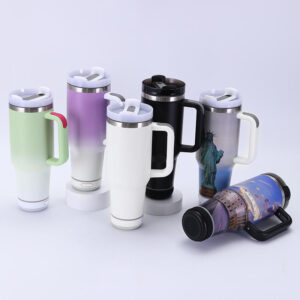
A coffee mug is lifted dozens of times a day. The handle has to accept an index finger and a middle finger without pressure on the knuckle, which means an internal opening of roughly 30 by 25 millimetres at minimum. On a curved body the handle often ends up smaller than intended because the mounting points converge.
Test with a gloved hand as well as a bare one. Coffee mugs get used in cold kitchens, and a handle that only fits a bare hand gets returned.
Lid or no lid
Coffee mugs split into two markets. The desk mug has no lid and is judged on rim comfort. The commuter mug has a lid and is judged on sealing. Trying to serve both produces a mug that is mediocre at each.
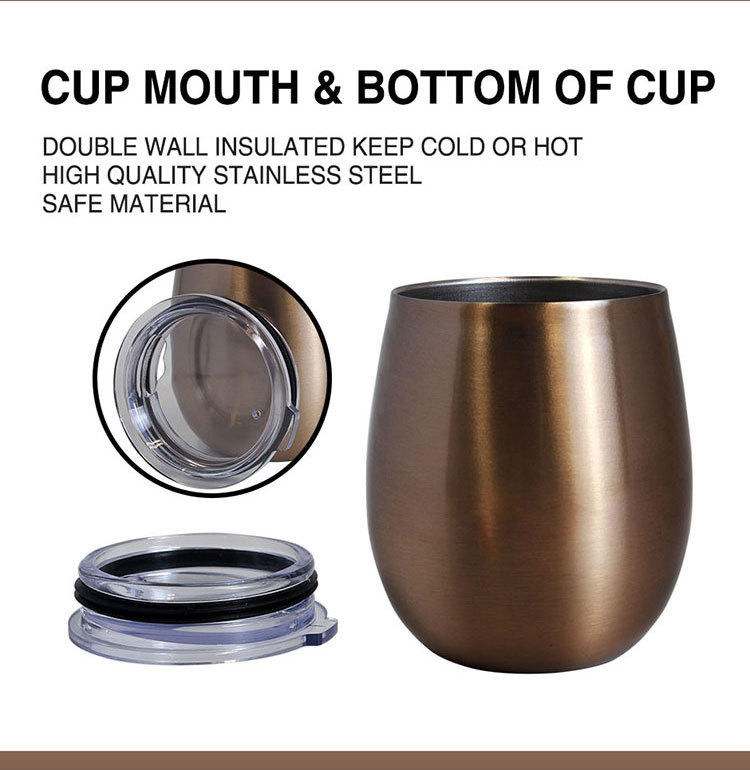
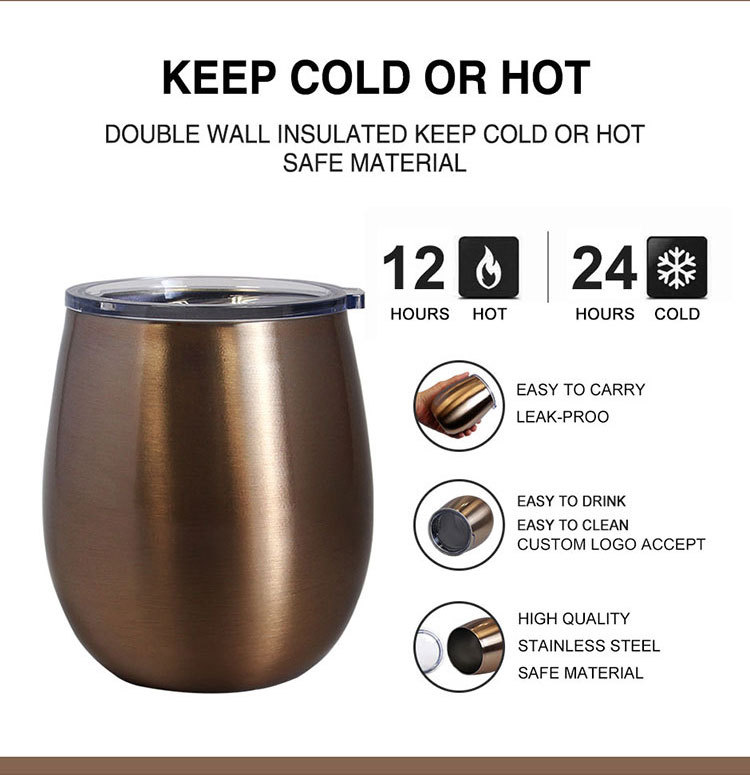
If the program includes a lid, use a slide or flip lid with a silicone seal and test it after twenty cycles. A lid that seals on day one and drips on day thirty is the most common quality complaint in this category.
Interior coating and the coffee residue problem
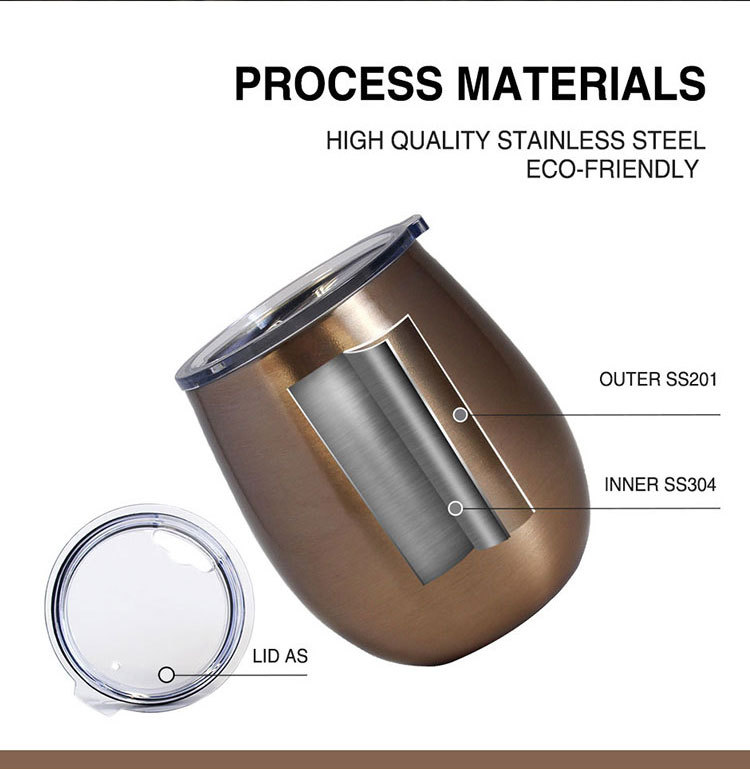
Coffee leaves oils on the interior, and those oils oxidise into a film that holds odour. A polished interior is easier to clean than a brushed one, and electrolytic passivation reduces the surface sites where residue clings.
Also consider a ceramic-lined interior for programs targeting flavour-sensitive buyers. It is a real upgrade with a real cost, and it eliminates the metallic note that some drinkers detect in stainless.
Colour as the primary purchase driver
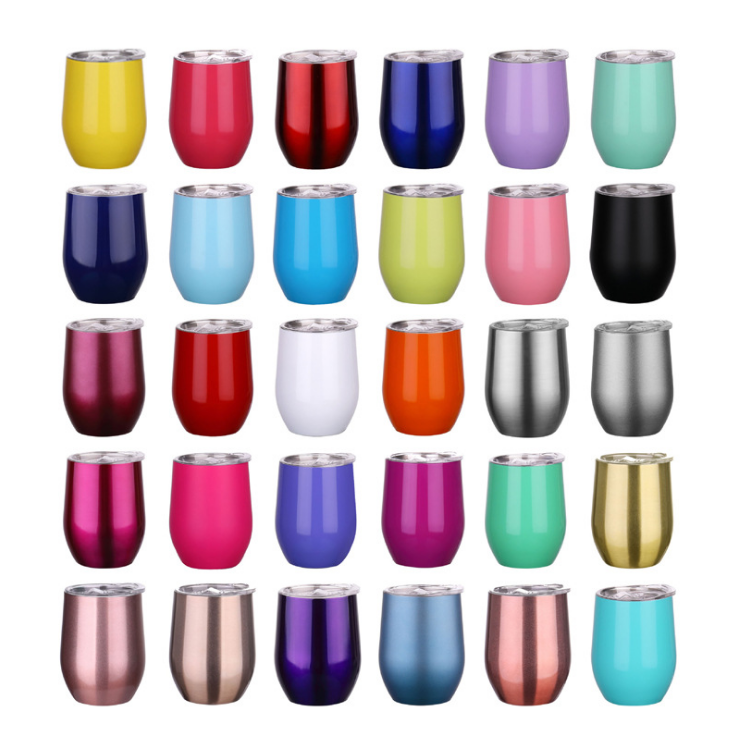
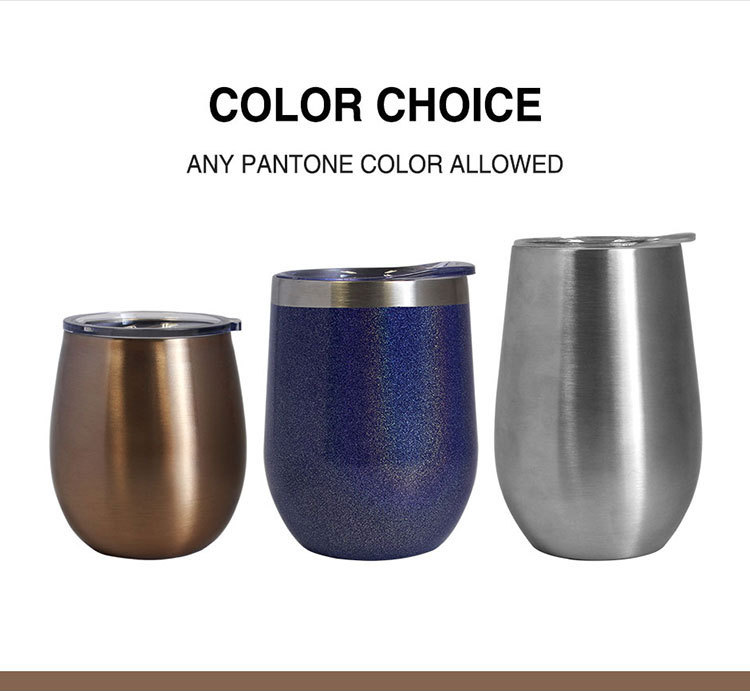
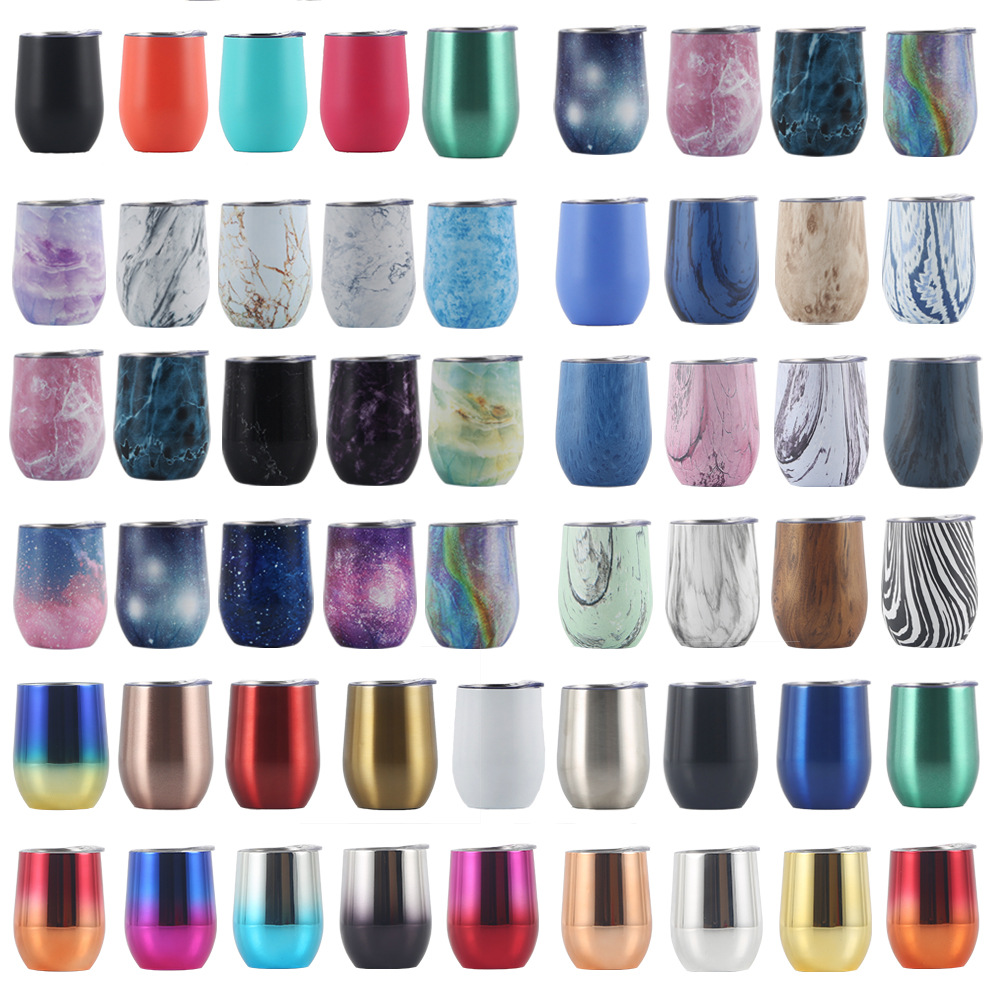
In this category colour drives the sale more than any specification. The commercially proven palette is muted: sand, sage, clay, charcoal, off-white. Bright colours sell in promotional channels and sit on shelves in retail.
Powder coat gives the soft matte finish that photographs well. Specify a Pantone reference and a physical standard, and expect metallic and soft-touch finishes to drift more between batches than solid colours.
Retail-ready details
- Non-marking base to avoid scratching countertops
- Rim rolled, not cut, for drinking comfort
- Colour reference with an approved physical standard
- Lid cycle test if a lid is included
- Interior finish: polished, passivated, or ceramic-lined
- Gift box decision made before the MOQ conversation
The base detail is small and it shows up in reviews. A mug that leaves a ring on a wooden counter gets mentioned, and that mention travels further than a good insulation rating.