Description
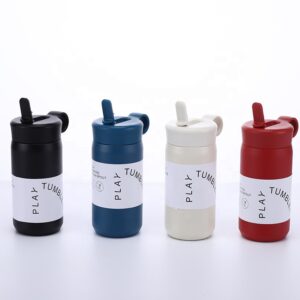
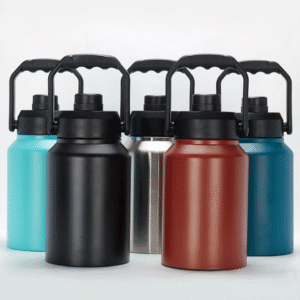
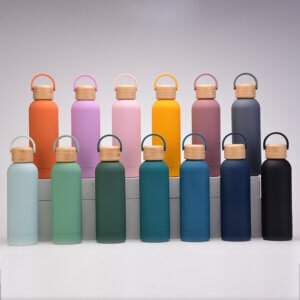
insulated Drinkware Tumbler
Two insulation methods, one visible price gap
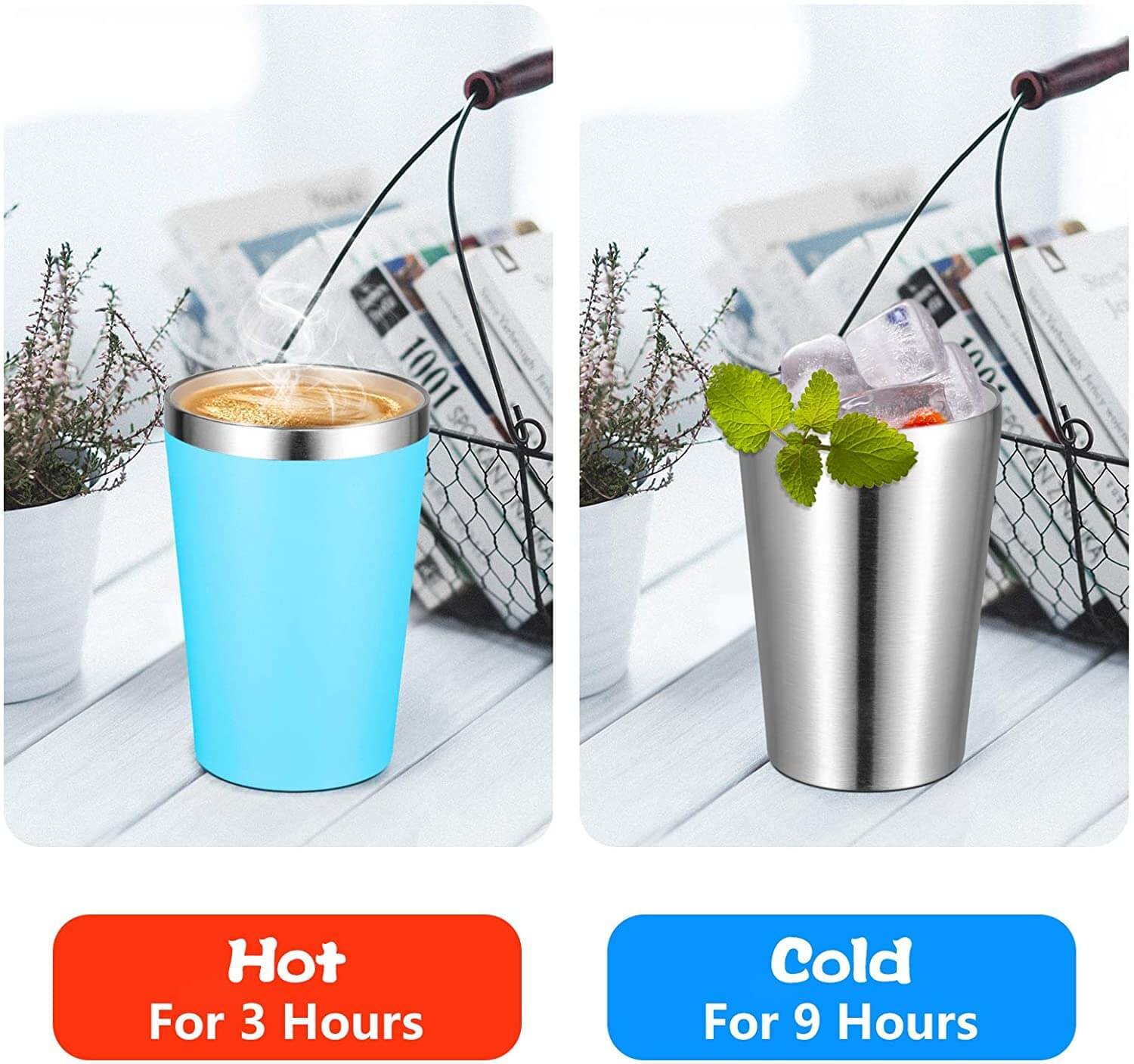
An insulated tumbler uses either a vacuum space between two walls or a sealed air gap. Both keep a drink warm for a while. The difference in performance is real but smaller than the difference in price, and knowing where the gap matters determines whether the vacuum is worth paying for.
Air gap performance in real conditions
A sealed air gap of 4 to 6mm holds a hot drink for roughly 45 to 90 minutes before it drops below comfortable drinking temperature, depending on ambient conditions and whether the lid is on. That covers the commute and the first meeting, which is what most tumbler use actually is.
Air gap fails faster in wind and in a cold car, because the outer wall cools and the gap convects. Vacuum is unaffected by those conditions.
Vacuum and the double-wall cost
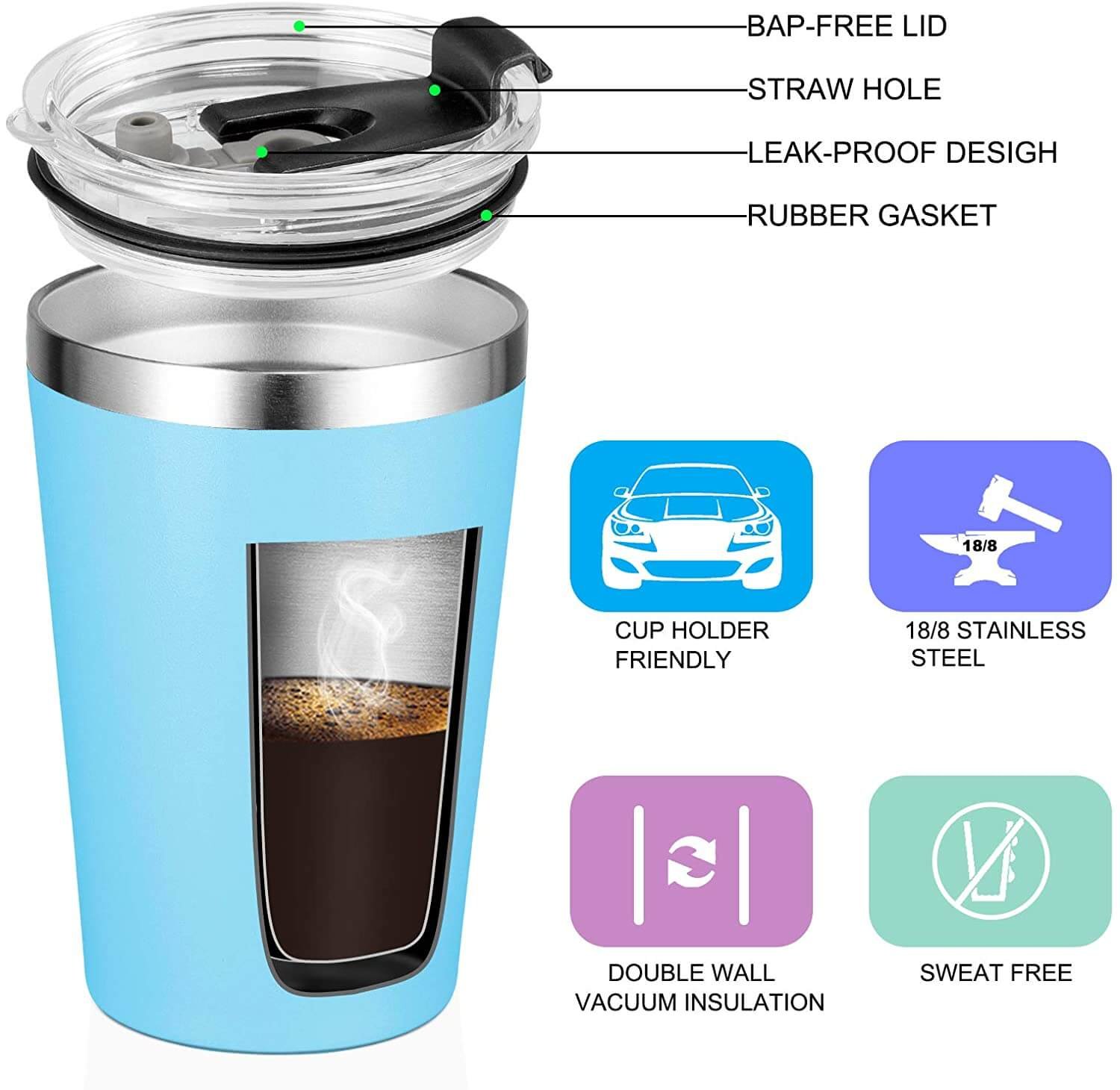
A vacuum body requires two drawn walls, a welded or brazed join, a vacuum port, and a pump cycle. That is more tooling, more process steps, and a scrap rate that an air-gap body does not have. The result is a unit cost roughly 40 to 70 percent higher at the same volume.
The performance gain is substantial: 8 to 12 hours of heat retention for a good vacuum body against 1 to 2 hours for an air gap.
When air gap is good enough
Short-use products, promotional items, and anything where the drink is consumed within the hour. A 10oz espresso tumbler and a cafe service cup do not benefit from vacuum insulation, because the drink is gone before it cools.
Paying for vacuum on a product used for ten minutes is a cost without a benefit.
How to test what you bought
Fill with water at 95 degrees, cap, and measure the temperature at 1 hour and 6 hours with a probe thermometer at the centre of the liquid. An air-gap body loses 20 to 30 degrees in the first hour. A vacuum body loses 3 to 6 degrees in the same period. A body that loses 15 degrees in an hour is an air gap sold as vacuum, which is the most common substitution in this category.
Ordering & lead time
| Minimum order quantity | 100 pcs per SKU |
| Sampling lead time | 3 days |
| Production lead time | 7 days |
| Monthly capacity | 100,000 pcs |
Lead times apply to existing tooling and standard colours. New mould development or custom colour matching carries its own schedule — confirm before committing to a delivery date.