Description
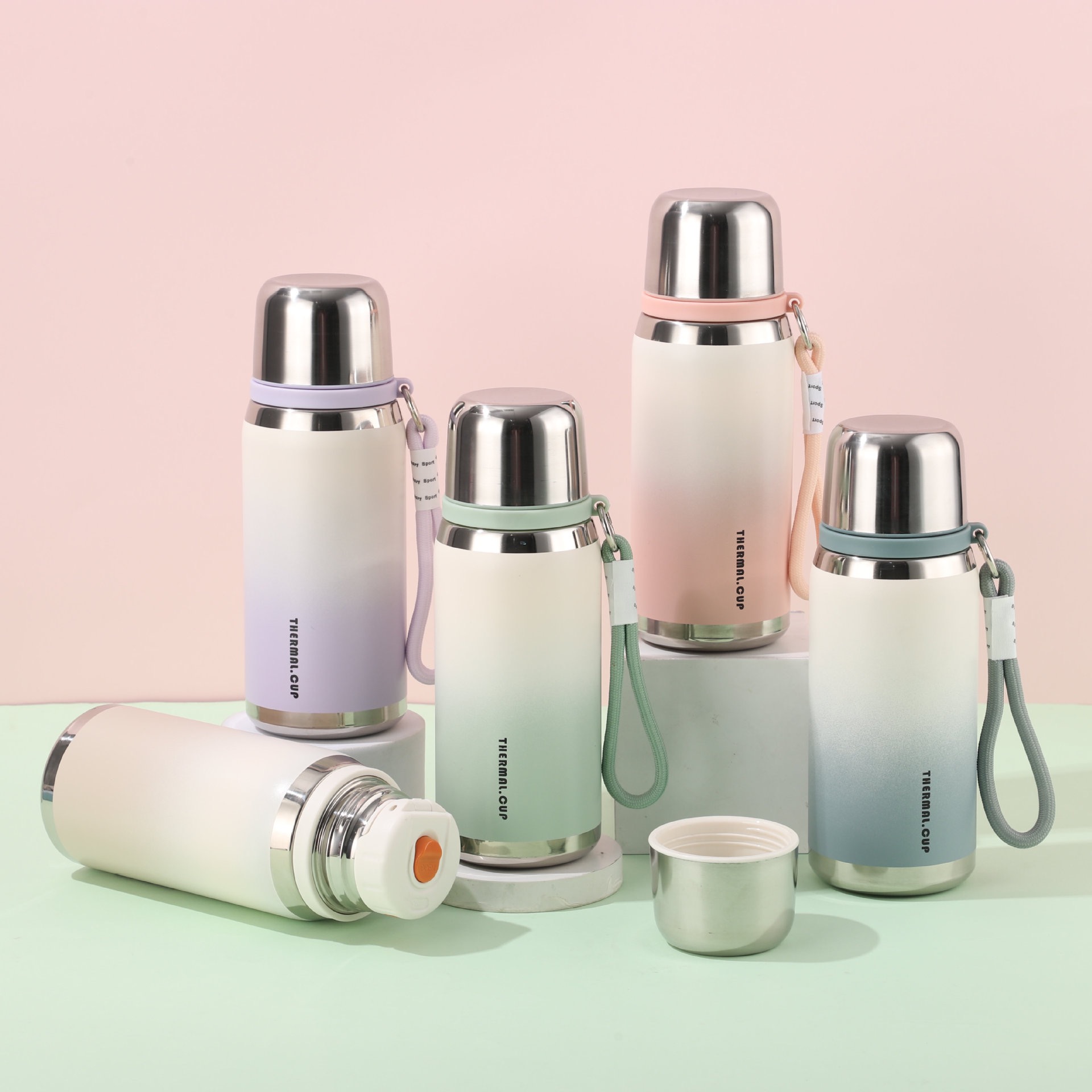
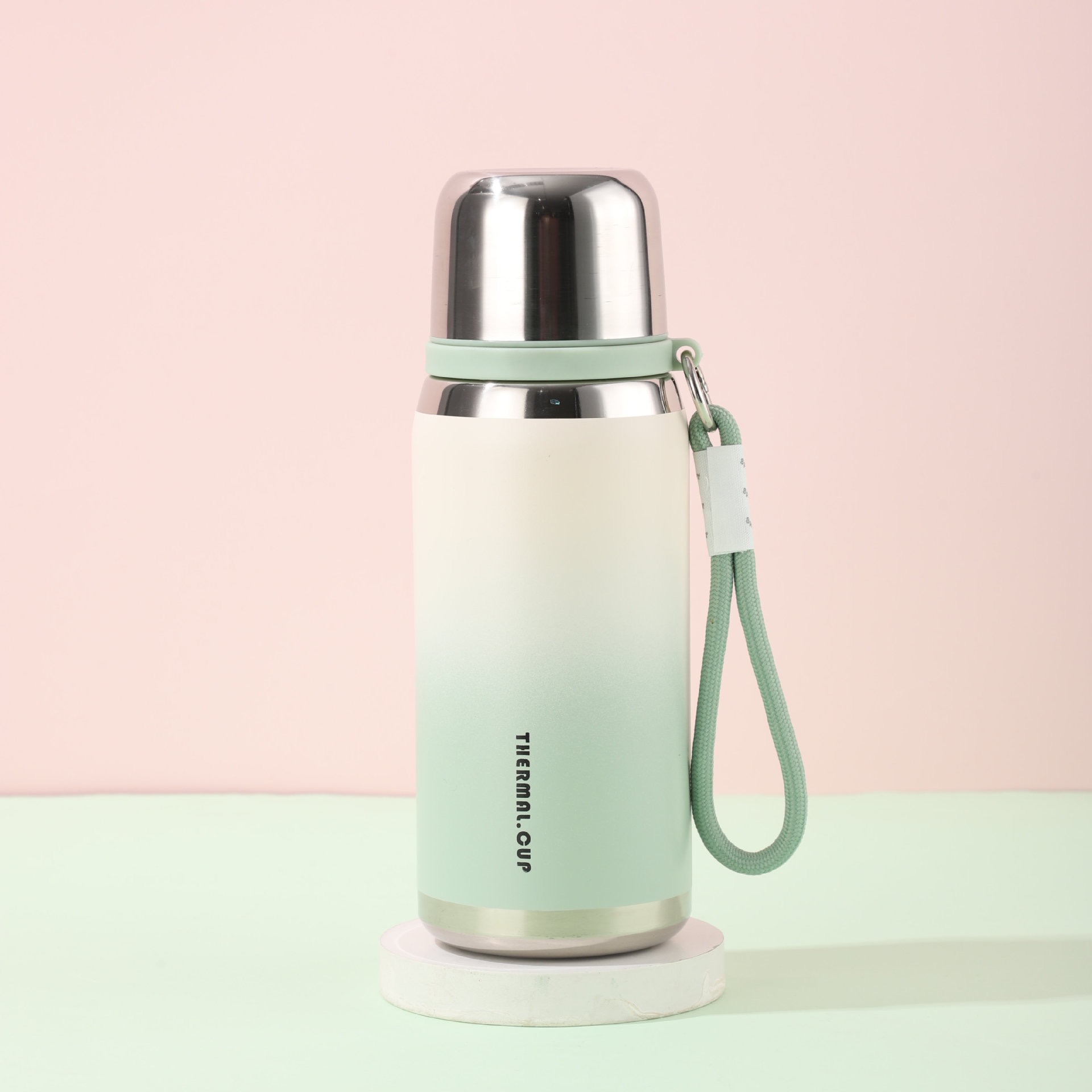
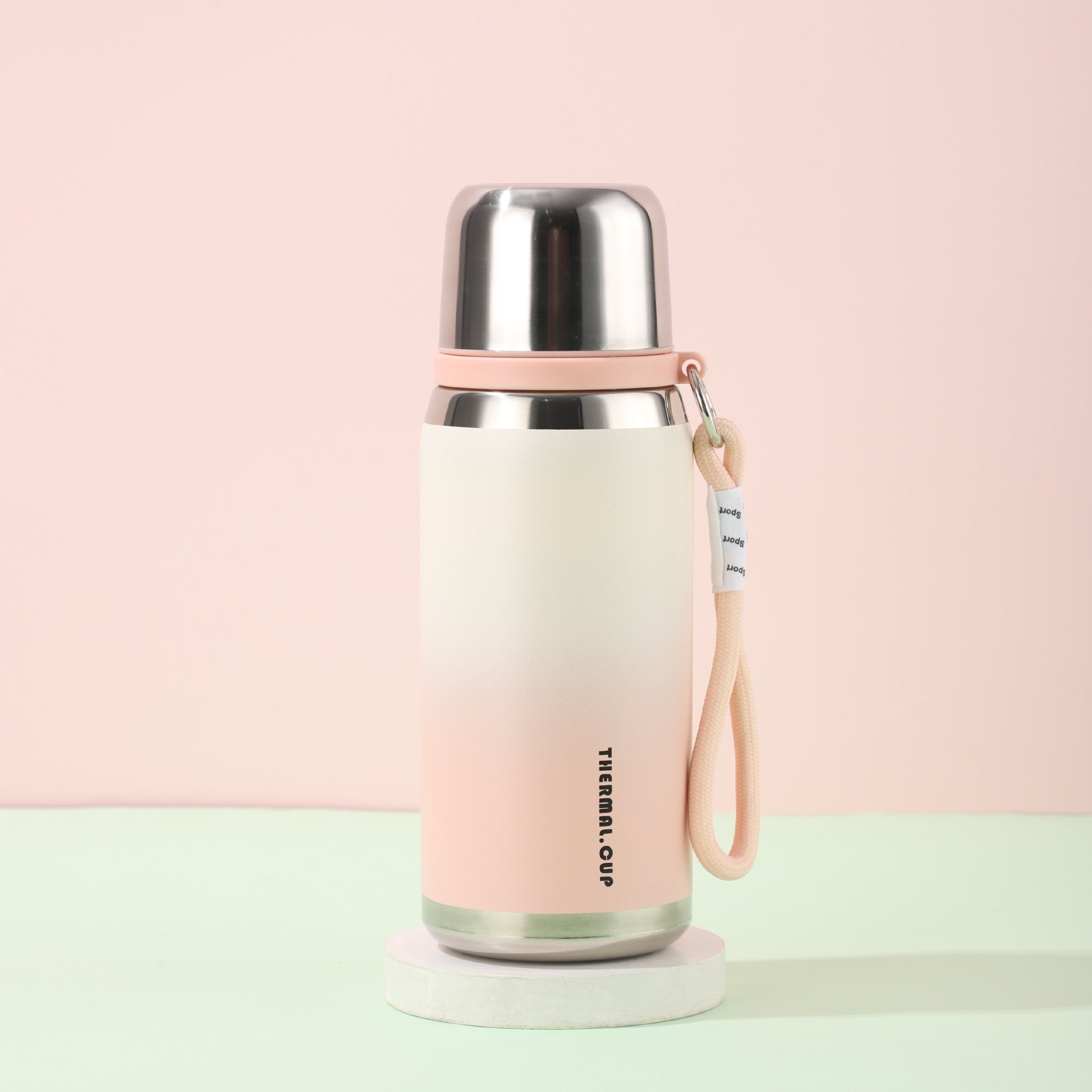
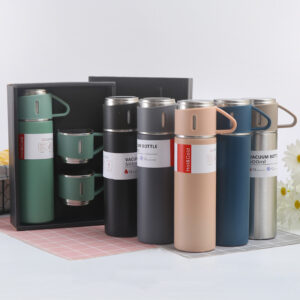
Outdoor 316 Stainless Steel Vacuum Thermos Cup
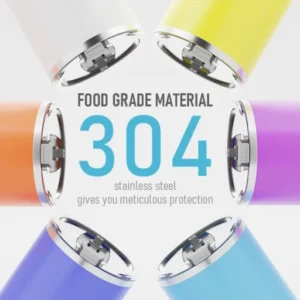
316 versus 304 is a chloride question
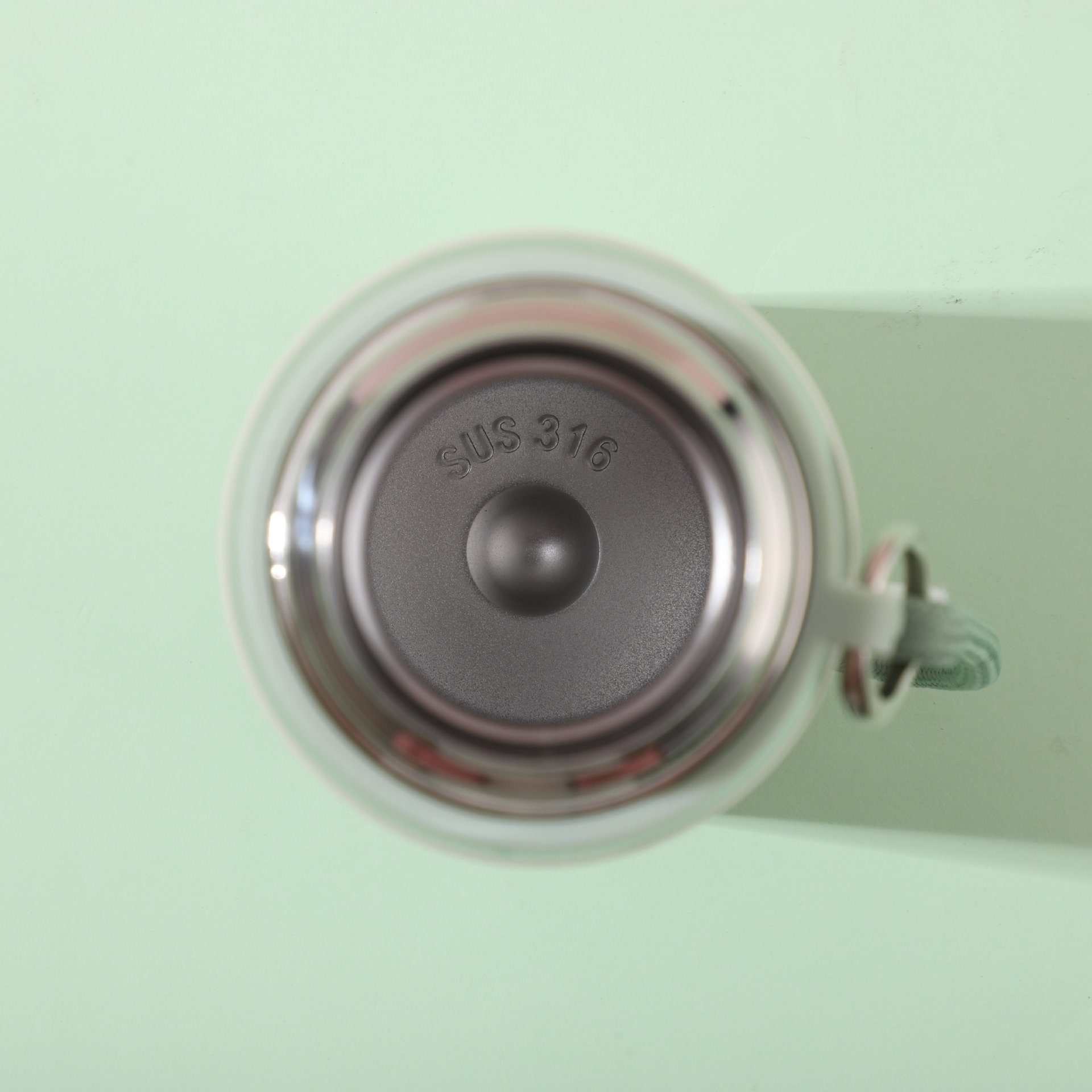
The difference between 316 and 304 stainless is molybdenum, roughly two to three percent, and what it buys is resistance to chloride pitting. In fresh water and coffee, 304 is entirely adequate. In seawater, salt spray, sweat-heavy outdoor use and road salt, 316 is the material that does not pit.
That is the entire justification for the cost premium, and it is a good one if the product is genuinely used outdoors.
Where pitting actually starts
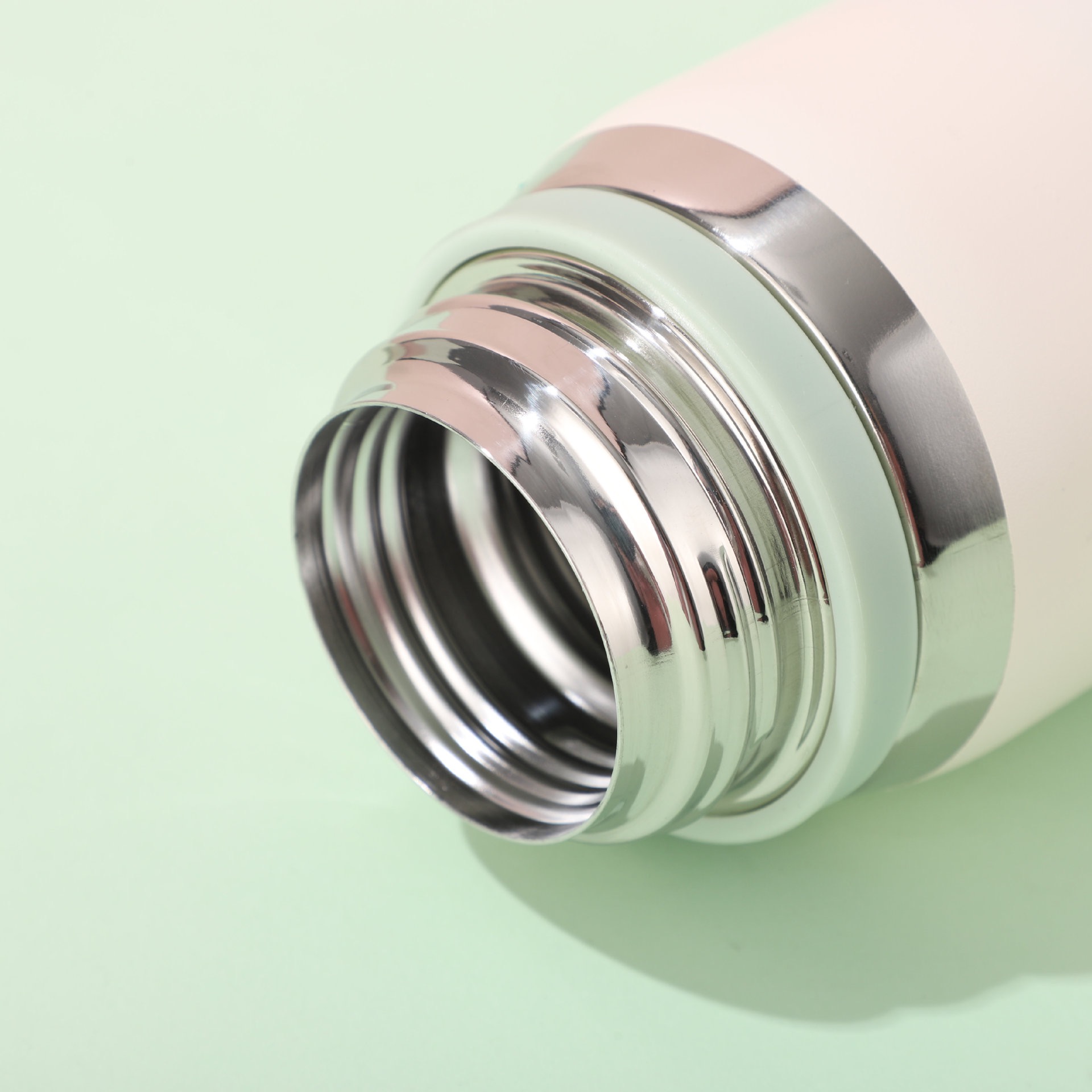
Chloride pitting begins at surface defects: a scratch, a weld heat-affected zone, an inclusion in the steel. A 316 body with a rough interior finish will pit before a polished 304 body in the same environment, because finish matters as much as alloy. Electropolishing the interior raises the pitting resistance of either grade.
Ask about interior finish, not just the grade. A supplier quoting 316 without controlling surface roughness is selling a label.
Salt spray testing and what a number means
A neutral salt spray test at 5% NaCl reports hours to first corrosion. A 304 body typically shows pitting within 48 to 72 hours; 316 usually exceeds 200 hours. Those numbers are indicative rather than absolute, because the test is harsher than real use.
What matters commercially is that the test report exists and names the grade and the finish. A report that does not state surface roughness cannot be compared with another.
Outdoor use and the parts that are not stainless
The body may be 316 while the lid is PP, the gasket is silicone and the handle is a zinc alloy. Those parts corrode or degrade independently, and a product sold as corrosion-resistant is judged on the whole assembly. Zinc alloy fittings on an outdoor bottle are the usual weak point.
Specify 316 or a polymer for every metallic part that sees the same environment as the body.
When 316 is not worth it
For a desk tumbler or a coffee mug, 316 adds cost with no benefit the customer can observe. The honest positioning is to reserve 316 for products that are marketed for coastal, marine or heavy-sweat use, and to say why. Buyers respect a specific reason far more than a premium grade used as a generic quality signal.