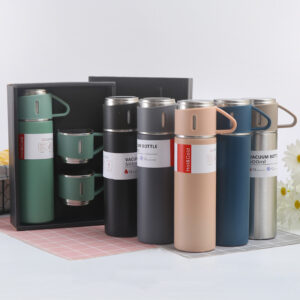
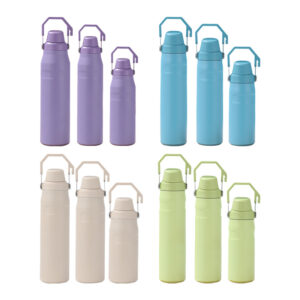
Description
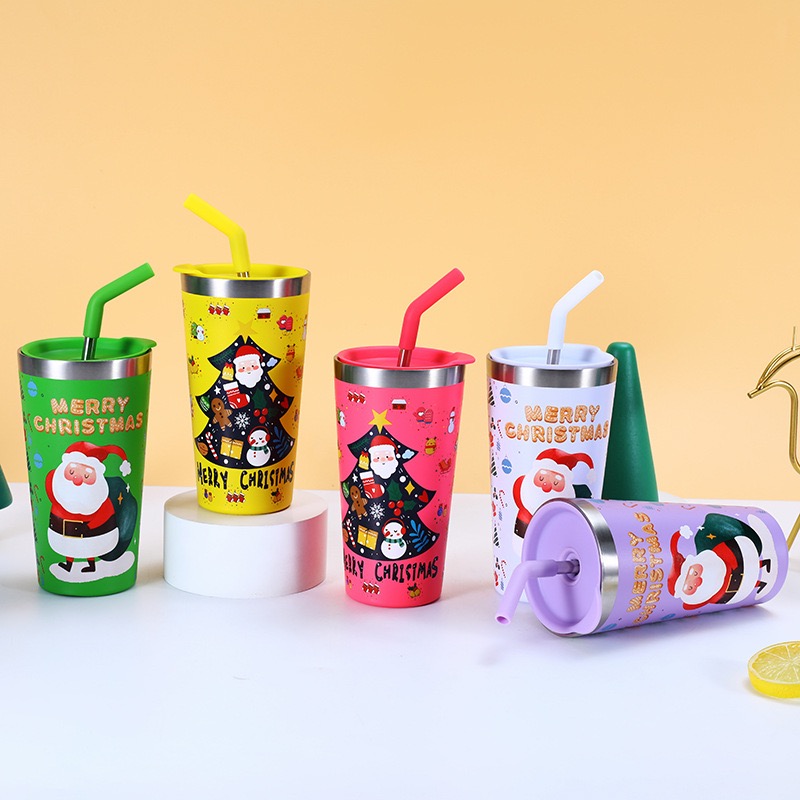
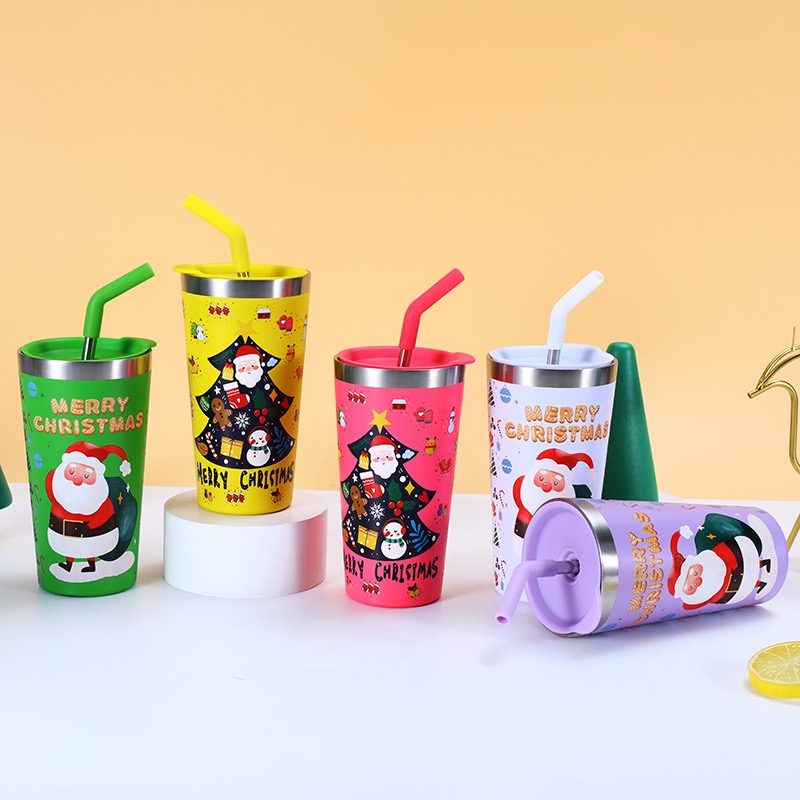
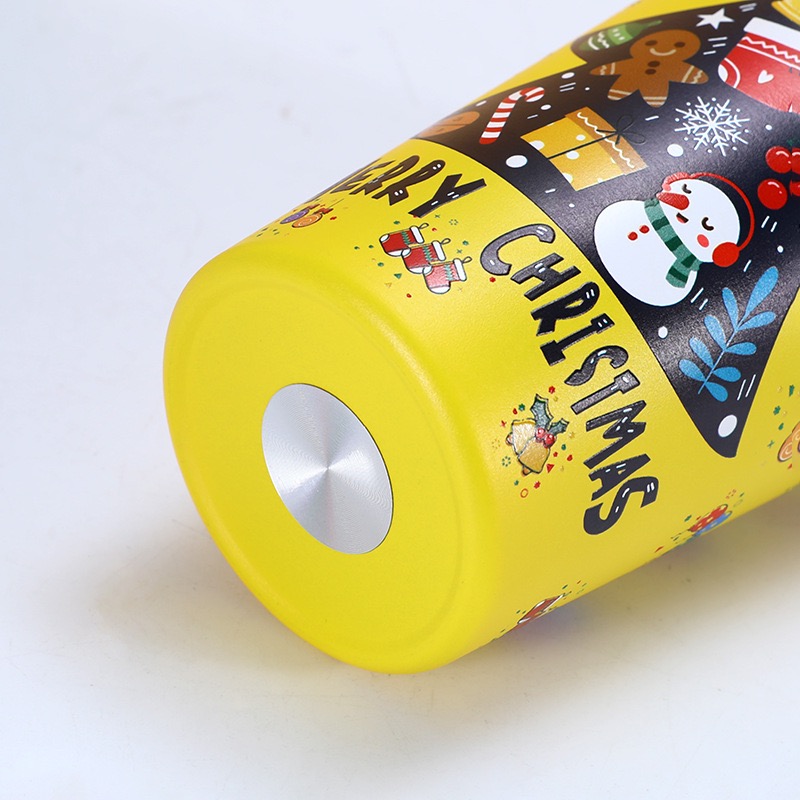
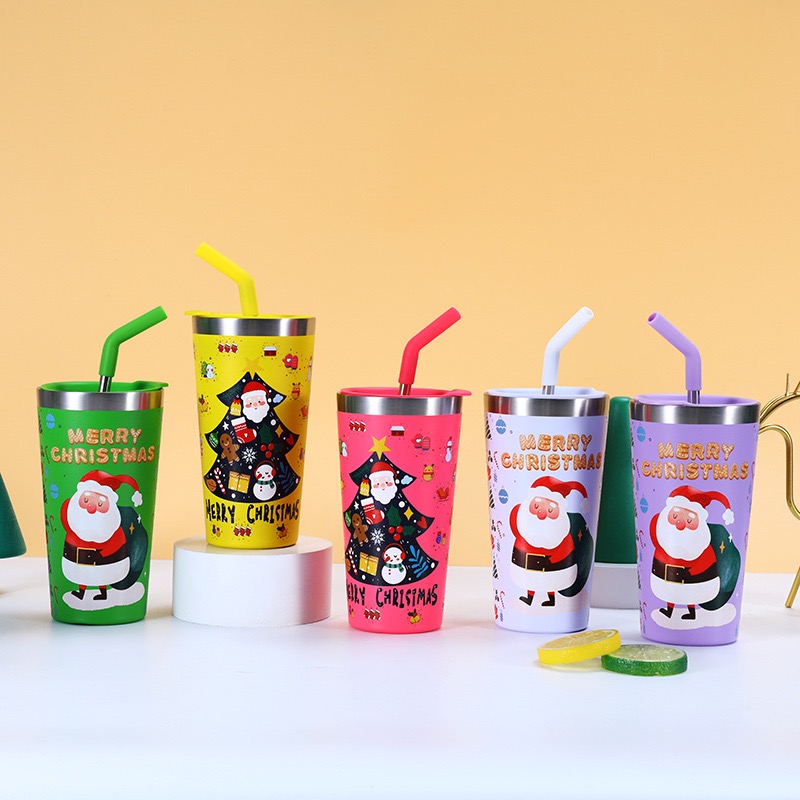
20oz Christmas Cup
Seasonal programs fail on calendar, not on product
A Christmas cup is an easy product and a hard schedule. The design is simple, the tooling is often shared with an existing body, and the technical risk is low. What goes wrong is timing: the product arrives after the retail window has opened, or the reorder cannot be produced in time for the peak.
Planning a seasonal program means working backwards from the shelf date, not forwards from the order date.
Working backwards from the shelf date
Retailers typically want Christmas stock on the floor by early November, which means their distribution centre needs it by late October. A sea shipment from China to the US or Europe takes 30 to 40 days door to door including customs, so the goods have to leave the factory by mid-September.
Production takes 25 to 35 days after sample approval. Sample approval takes two to three weeks with a round of courier shipping. Working back from mid-September puts sample approval in early August and the design freeze in July.
The sampling bottleneck in September
Every factory is sampling Christmas programs in August and September. That is when sample queues are longest and when a small buyer’s sample sits behind a large buyer’s production. Booking sample capacity in June is the difference between a program that ships and one that air-freights at a loss.
Sea freight versus air for late orders
Air freight for drinkware costs several times the sea rate per unit and usually destroys the margin on a promotional item. When a program is late, the realistic options are a partial air shipment to cover the first retail weeks and a sea shipment for the balance, or a reduced assortment.
Deciding this in October is a salvage operation. Deciding it in July is a plan.
What to lock before the summer
Body and lid tooling, the decoration method, the carton specification, and the quantity tiers. The color of the artwork can change later at low cost. The tooling cannot. A seasonal program that is still deciding between two body shapes in August will not ship on time regardless of how the factory performs.
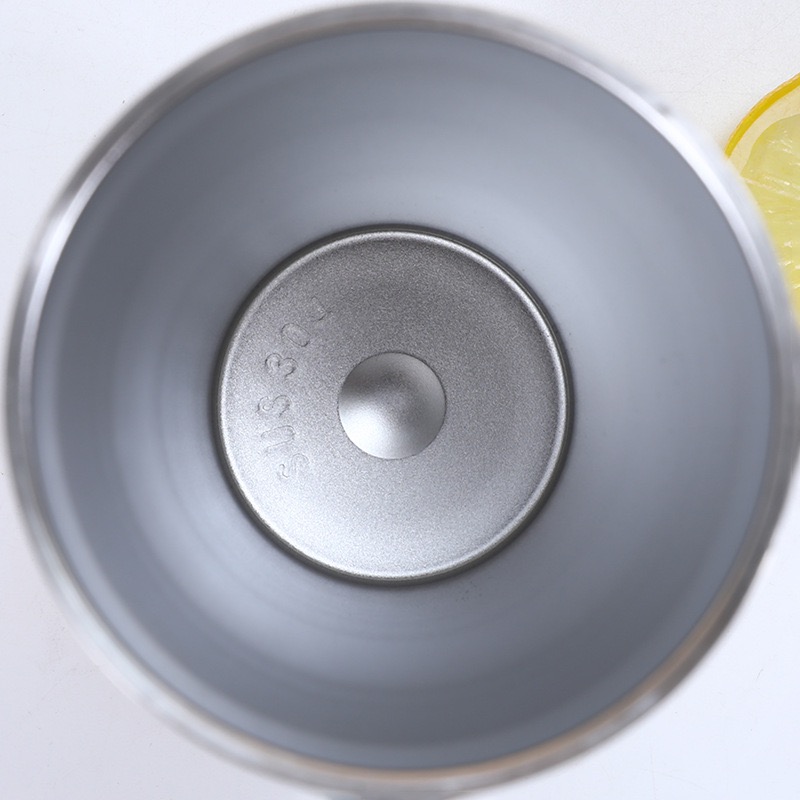
20 oz tumbler — specifications
| Capacity | 20 oz / 591 ml |
| Empty weight | 410 g |
| Body wall thickness | 0.5 mm |
| Thermal retention (series typical) | 100°C → 75°C at 6 h → 60°C at 24 h |
| Minimum order / lead time | 100 pcs · sample 3 days · production 7 days |
Measured on our current 20 oz double-wall vacuum body. Wall thickness and weight vary slightly by finish and lid configuration. Production lead time applies to existing tooling and standard colours.