Description
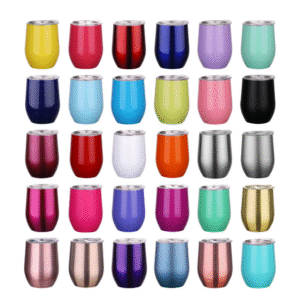
Custom 10oz Insulated Wine Glasses
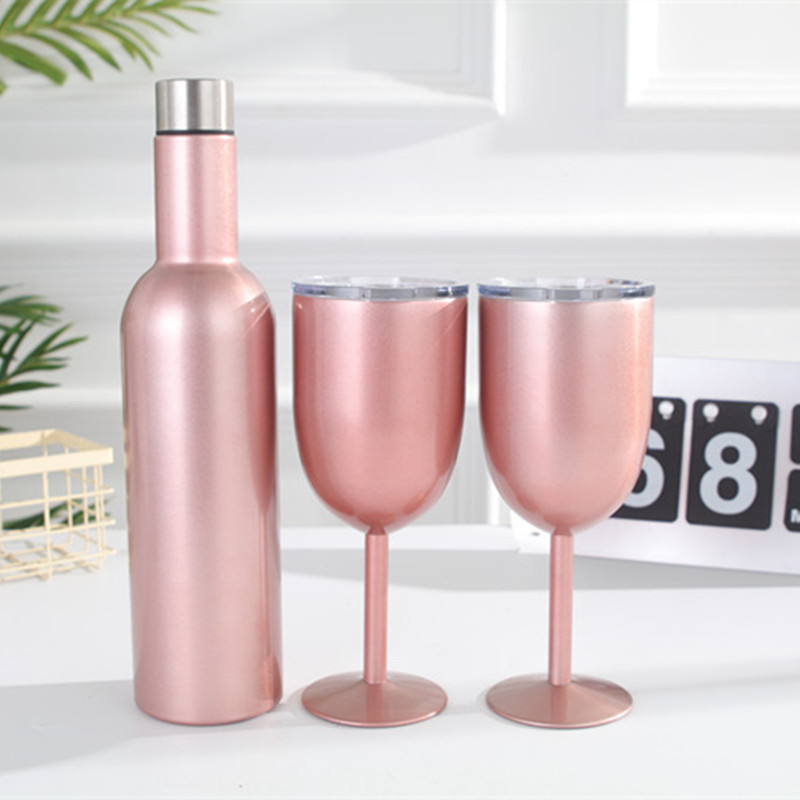
A 10oz insulated wine tumbler is a gift item before it is a functional product. It is bought in sets, given at weddings and corporate events, and judged on how it looks in the box. That means the engineering priorities shift: the rim, the stemless base and the gift packaging matter more than the insulation rating.
Why stemless wins in this size
At 10oz the stemless format dominates. A stem on a small insulated body adds a fragile joint that has to be welded and then polished, and the weld is the first place corrosion appears. Stemless removes that joint entirely.
The trade-off is hand feel. Without a stem the bowl is held directly, so the outer wall temperature rises and the wine warms slightly faster at the contact patch. In practice, for a 10oz pour consumed within twenty minutes, this is not a measurable problem. It becomes one only if the buyer expects restaurant-grade retention.
The rim is what the customer touches
On a wine vessel the rim edge is the single most evaluated detail. A rolled rim feels finished; a cut rim feels sharp no matter how well it is deburred. Rolled rims require a forming step and a polish, and they are the reason a good wine tumbler costs more than a water bottle of the same size.
Ask whether the rim is rolled or cut, and run a finger test on the sample. Buyers reject on this detail more often than on insulation performance.
Interior finish and tasting
An unpolished interior holds aroma compounds and can carry a metallic note into the wine. Electrolytically passivated interiors avoid this. For a product positioned around wine, this is worth the extra step.
Also check the interior for polishing compound residue. A white residue in the base of the cup is a common complaint and it is a rinse problem, not a material problem.
Gift packaging is part of the product
Wine tumbler sets are almost always sold as a pair or a four-pack in a printed box. The box drives the perceived price more than the cup does. Two configurations dominate: a rigid gift box with a moulded insert, and a printed folding carton with a pulp tray.
The rigid box costs significantly more and ships with more volume. For corporate gifting where the box is presented on a desk, it earns its cost. For volume promotional programs, the folding carton with a well-printed sleeve performs nearly as well at a fraction of the landed cost.
Decide the packaging before the MOQ conversation. Box minimums frequently exceed cup minimums on this category.
Lid options
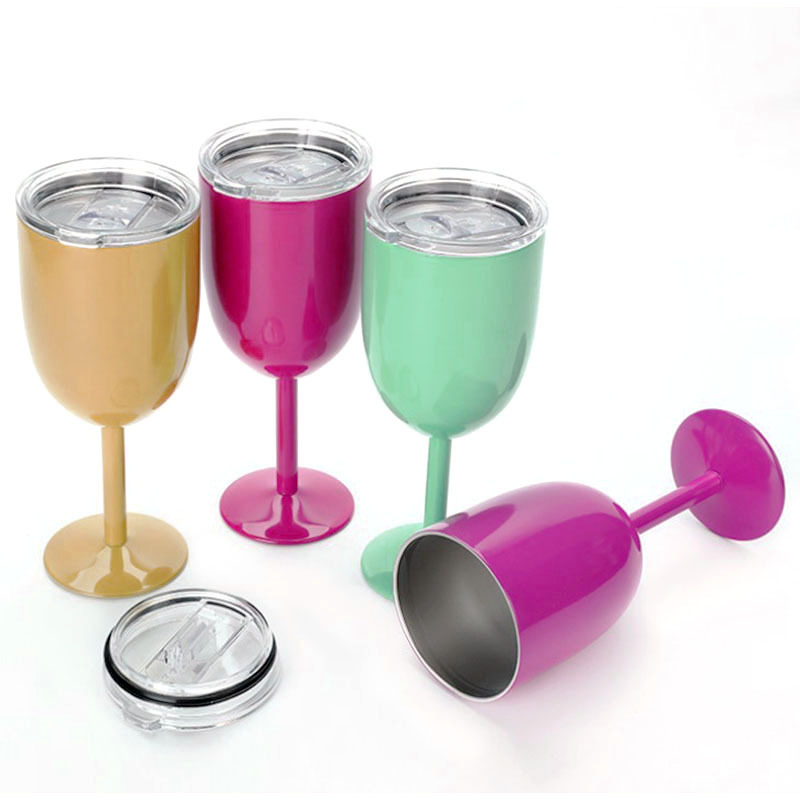
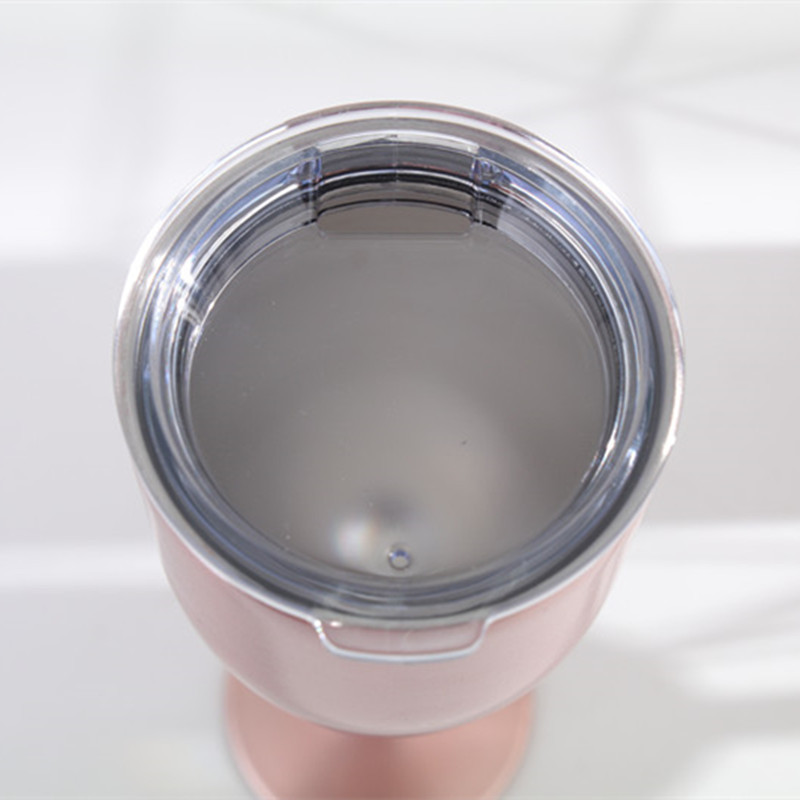
Most 10oz wine tumblers ship with a slide lid rather than an open rim, because the product travels to picnics and events. A slide lid that seals is worth more than one that merely covers. Test the slide action after ten open-close cycles — cheap slides loosen and then leak.
What to lock before ordering
- Rim type: rolled or cut, with edge finish
- Interior finish and rinse verification
- Set configuration: pair, four-pack, mixed
- Packaging format and its minimum order quantity
- Lid type and cycle test result
- Engraving or print area on the body, if personalised
Personalisation is common on this product. Confirm whether the decoration is applied before or after the vacuum is pulled, because that determines whether a rework is possible.
Ordering & lead time
| Minimum order quantity | 100 pcs per SKU |
| Sampling lead time | 3 days |
| Production lead time | 7 days |
| Monthly capacity | 100,000 pcs |
Lead times apply to existing tooling and standard colours. New mould development or custom colour matching carries its own schedule — confirm before committing to a delivery date.