Description
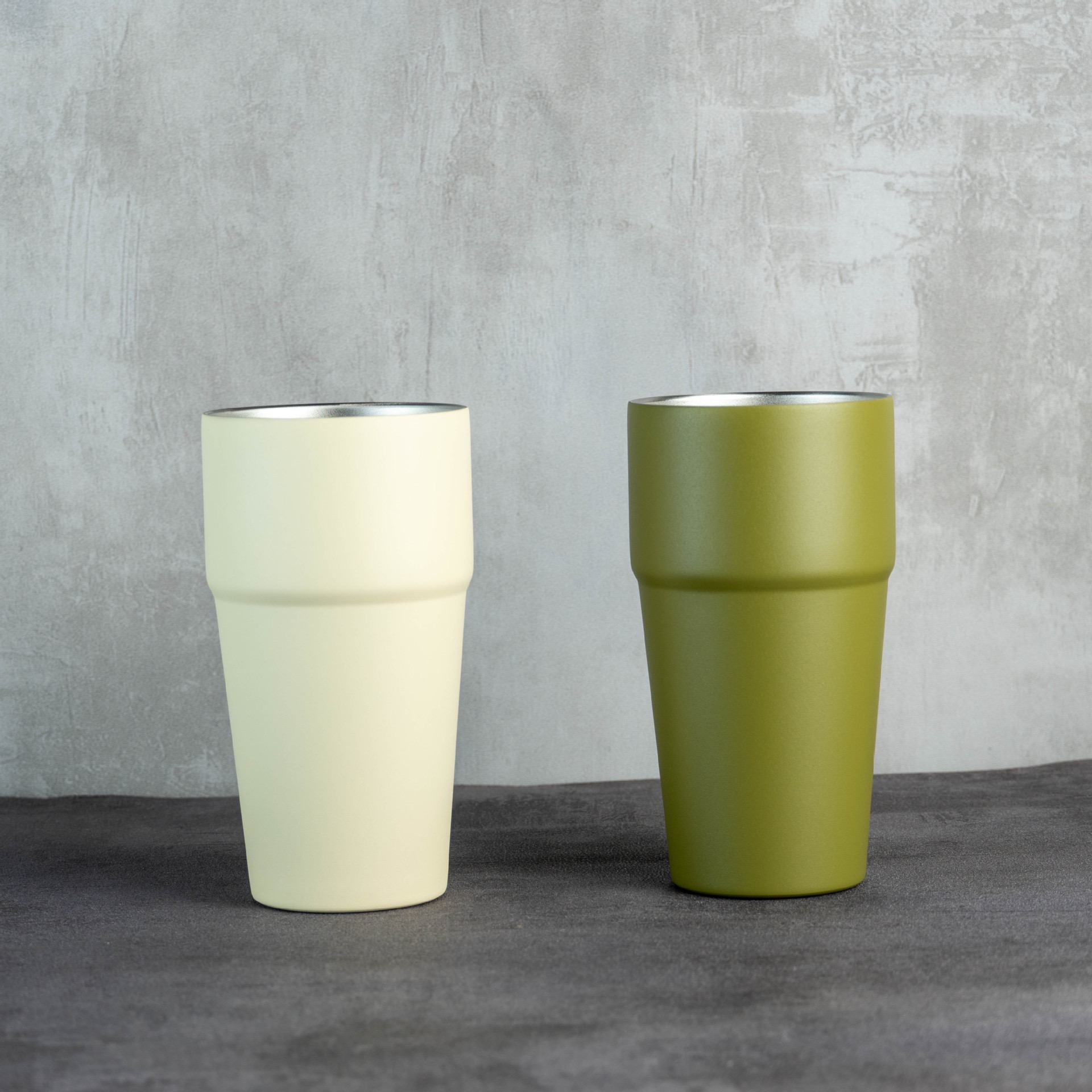
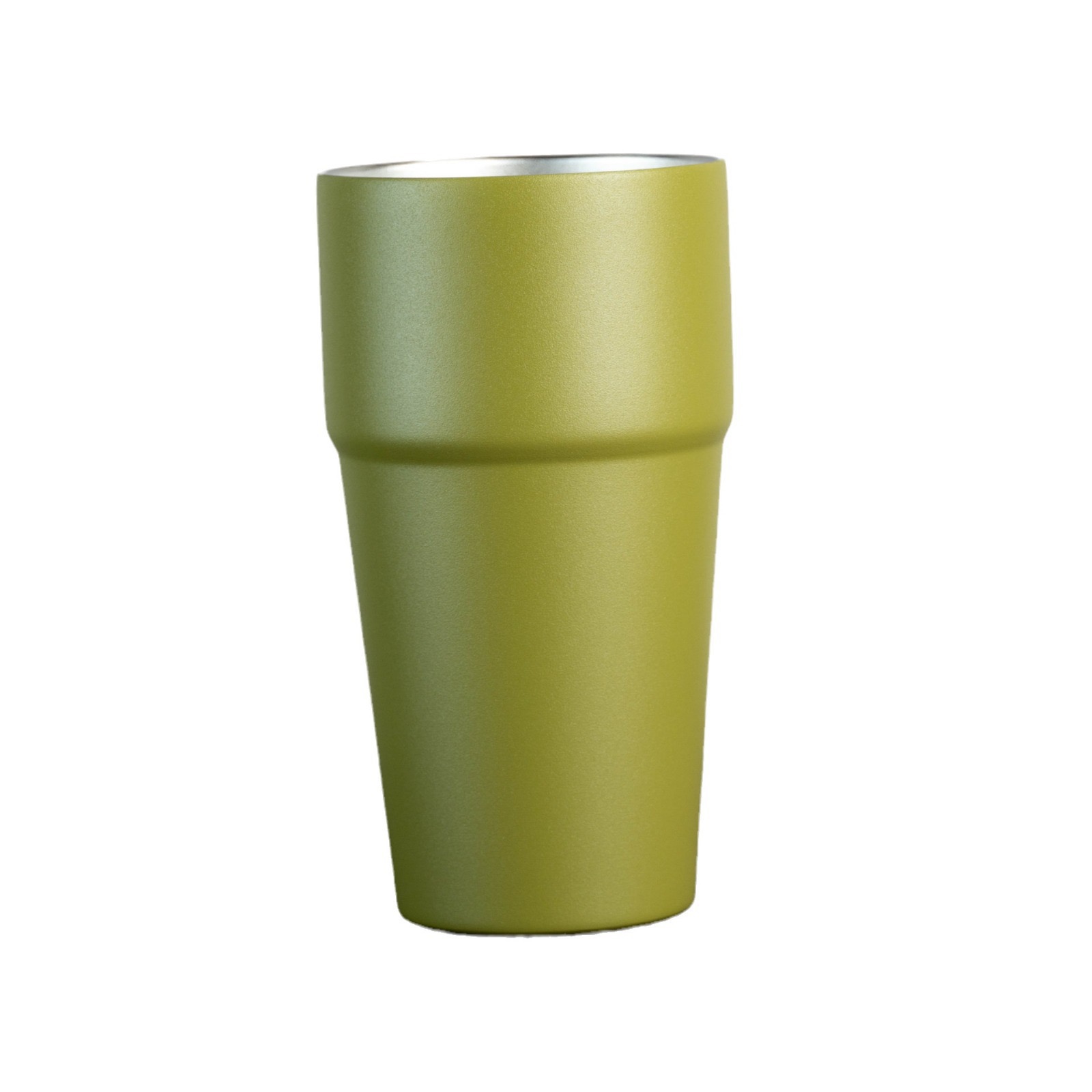
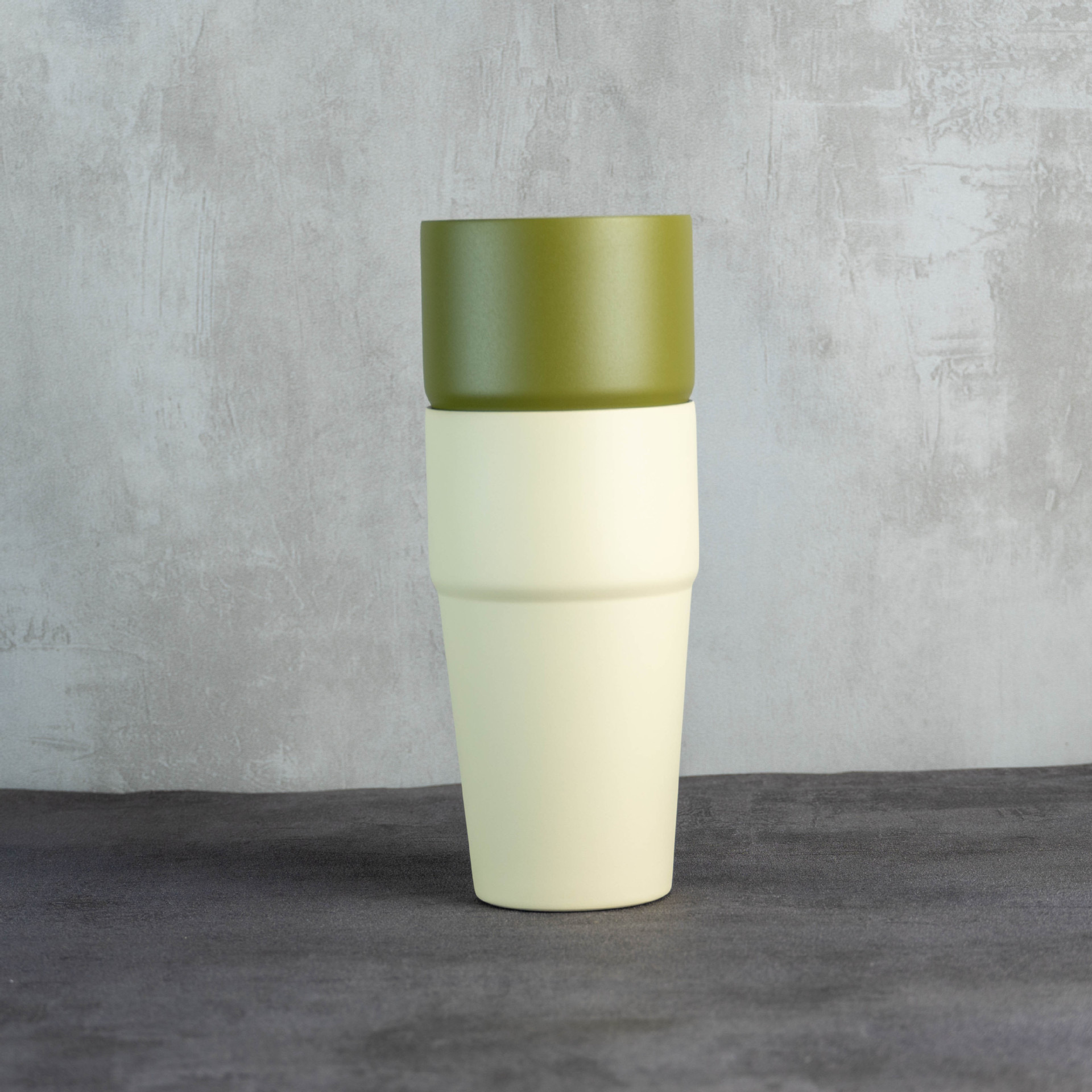
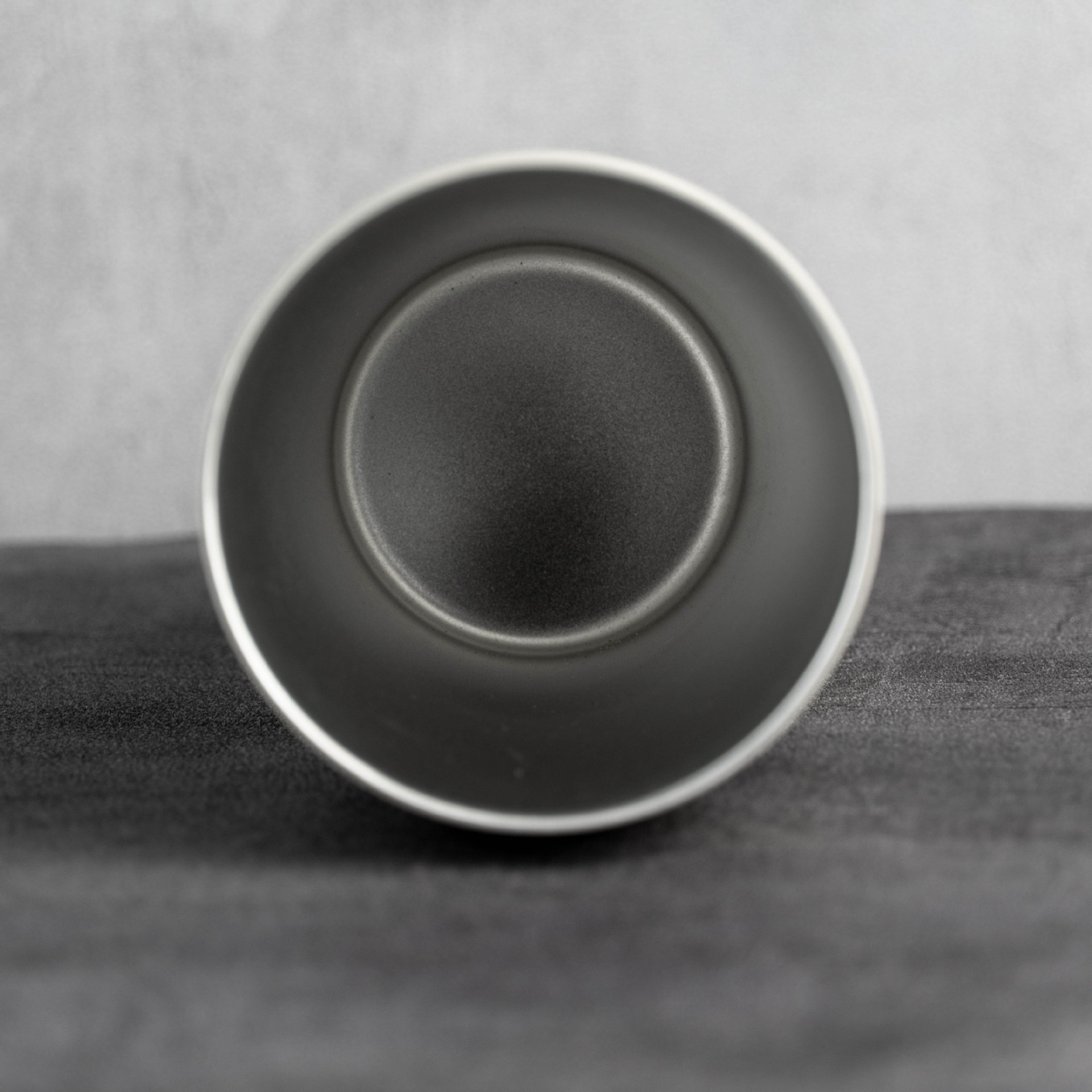
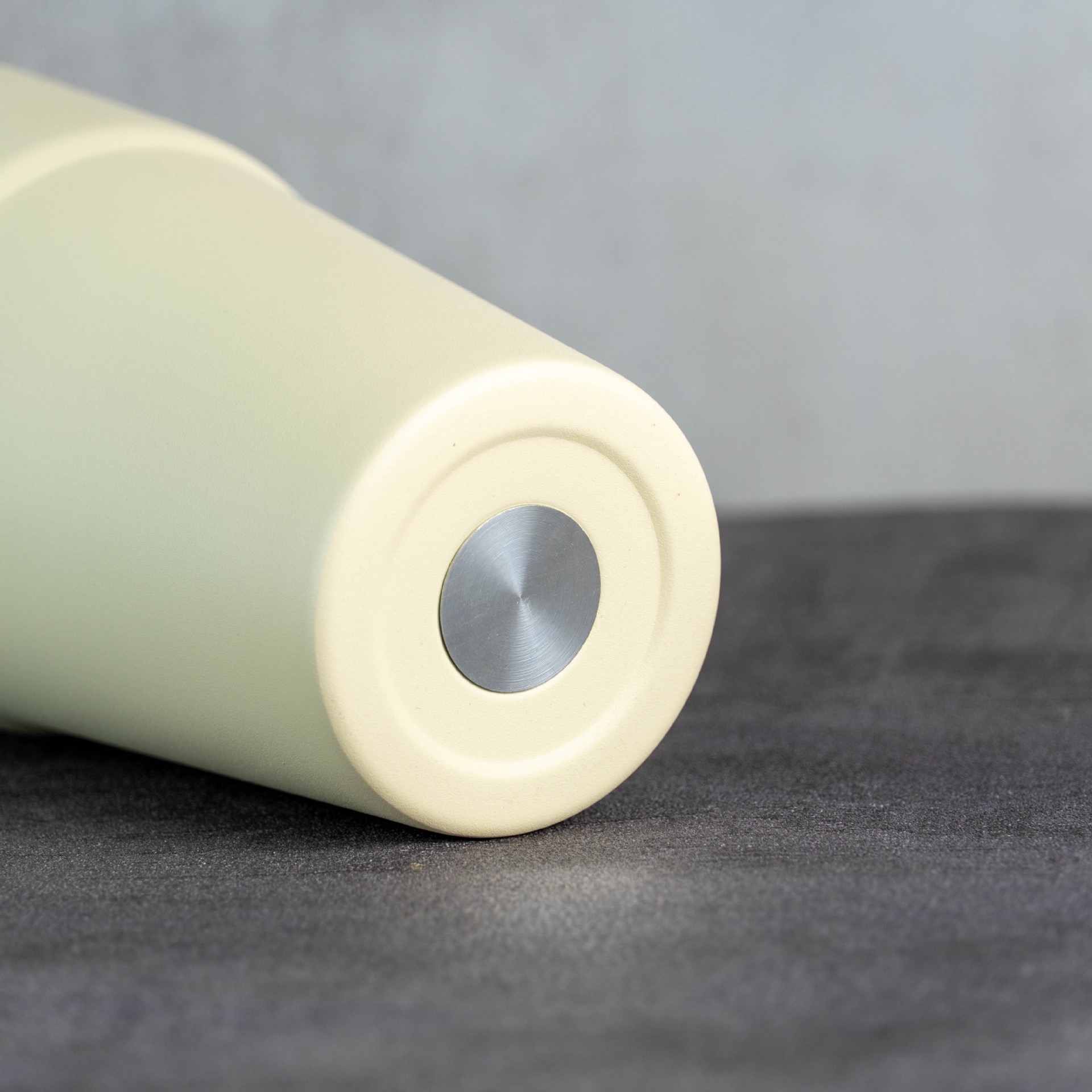
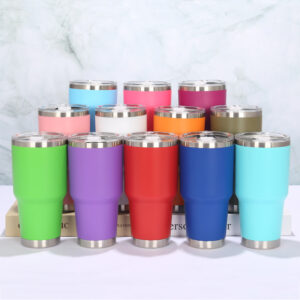
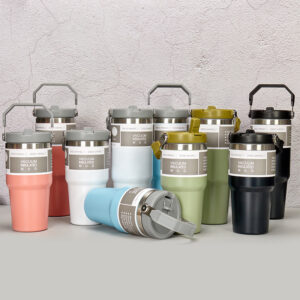
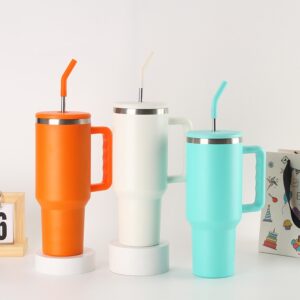
Custom Stainless Insulated Tumbler
Three decoration methods, three different economics
Customising a stainless tumbler comes down to laser etching, silk screen, and water transfer or wrap printing. Each produces a different look, a different durability, and a different cost curve against order quantity. Choosing between them is a volume decision as much as a design decision.
Laser etching: durable, single tone, no setup for small runs
Laser removes the coating or marks the steel directly, depending on the setting. It never wears off, survives dishwashers, and requires no artwork setup beyond a vector file. The limitation is color: it produces the color of the material beneath the coating, which is usually steel grey or the base coat.
For a logo on a matte body, laser is almost always the right answer. For full-color artwork it cannot work at all.
Silk screen: color and cost at volume
Silk screen lays ink on the surface and cures it. It handles up to four or five colors, holds fine detail well on a flat or gently curved area, and has a setup cost per color that makes small runs expensive. Above roughly 1,000 units the per-unit cost drops below laser.
Durability depends on the ink and the cure. A properly cured epoxy ink survives a dishwasher; a cheap ink lifts at the edges within months.
Water transfer and wrap: full coverage, fragile at the edges
Water transfer printing wraps a printed film around the body, which allows full-color photographic artwork on a curved surface. It is the only method that covers the whole body with an image. The weakness is the clear coat over the film: it chips at the base edge and around the rim, which is where the product takes knocks.
If the artwork is the product, water transfer is worth the durability trade. If the artwork is a logo, it is not.
Matching the method to the order size
Under 500 units, laser. Between 500 and 3,000, laser or silk screen depending on color count. Above 3,000, silk screen or water transfer, where setup cost is amortised and the per-unit price falls.
Getting this wrong in either direction costs money: laser on a 20,000-unit order is expensive per unit, and silk screen on a 200-unit order carries a setup charge that exceeds the goods value.
What to send the factory
Vector artwork with defined colors, the exact placement measured from the base, and a physical sample approval before the run. Artwork approved on screen and printed on a curved body will differ, and the difference is always discovered on the first production unit.
Thermal retention — double-wall vacuum series
| Initial fill (boiling water to brim, lid on) | 100°C |
| After 6 hours | 75°C |
| After 24 hours | 60°C |
Typical values for our double-wall vacuum series. Actual retention varies with fill level, ambient temperature, pre-heating and lid fit. Lot testing available on request before you commit to a specification.
Ordering & lead time
| Minimum order quantity | 100 pcs per SKU |
| Sampling lead time | 3 days |
| Production lead time | 7 days |
| Monthly capacity | 100,000 pcs |
Lead times apply to existing tooling and standard colours. New mould development or custom colour matching carries its own schedule — confirm before committing to a delivery date.