Description
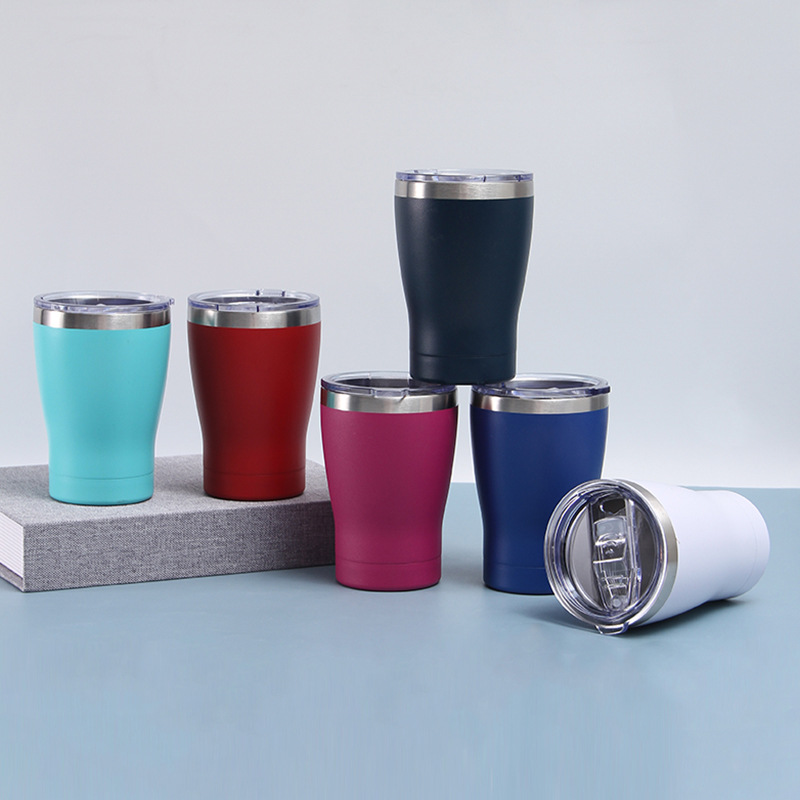
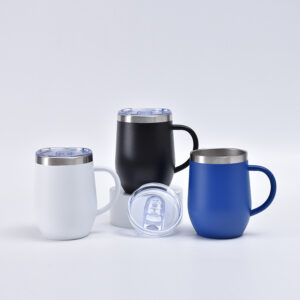
Travel Coffee Cup Mug with Lid
The lid is where a travel coffee cup gets dirty
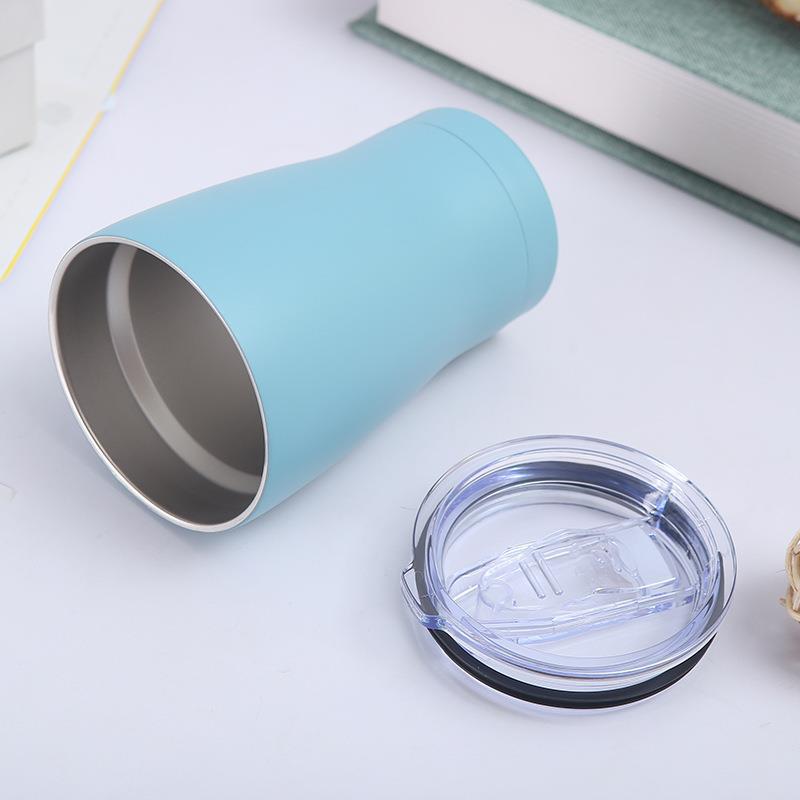
Coffee leaves an oil film that water does not remove. On an open mug that film sits on a surface you can see and wipe. On a travel cup it migrates into the lid: the gasket groove, the slide track, the vent hole, the hinge recess. Those are the places customers cannot reach with a sponge, and they are the reason a cup that looks clean starts to smell.
Designing for cleanability is a different exercise from designing for leak resistance, and most products optimise only the second.
Gasket grooves that can be cleaned
A gasket seated in a deep narrow groove holds a seal well and traps coffee oil permanently. The practical compromise is a removable gasket in a shallow open channel: the gasket comes out with a fingernail, the channel can be wiped, and the gasket is washed separately.
Removable gaskets get lost, so the design has to make them obviously part of the product rather than a hidden component. A colored gasket that is visible when the lid is open solves both problems at once.
The slide track is the real trap
A slide lid has a track with two ends, and both ends accumulate residue. An open-ended track drains and can be rinsed. A closed track holds liquid and turns it into a biofilm within a week of daily use. The difference costs nothing in tooling and is rarely specified.
If the product must have a closed track for structural reasons, add a drain slot at the low end so rinsing water and residue can escape.
Vent holes and pressure equalisation
The vent hole on a travel cup is 1.5 to 2mm and it clogs with milk residue faster than with black coffee. A clogged vent turns a smooth drink into a struggle, and the customer blames the lid rather than the cleaning routine.
A slightly larger vent at 2.5mm resists clogging and still prevents glugging. If the product is positioned for lattes, this dimension matters more than the drink opening.
Material choice for the parts that see heat and oil
PP handles both without complaint and is the default. Tritan is clearer and more resistant to staining, which matters if the lid is transparent and the customer drinks milk-based coffee. Silicone gaskets should be platinum-cured rather than peroxide-cured, because the latter can retain odour over time.
None of these choices changes the unit cost much. Together they separate a cup that is used for years from one that is replaced in six months.